Skip navigation

Category Archives: food

Food self sufficiency is something any good Alaskan Sourdough knows a good deal about. And you use what you have to make your garden work. We’re not buying a bunch of fancy stuff, just making do with what’s around the place.

My first summer in our home (2015) I had high hopes for a bountiful harvest from my new (to me) garden plot. We even constructed a small greenhouse to help extend our season a little bit. I planted all sorts of things like potatoes, tomatoes, okra, herbs and squash. I was so excited! I mean, what could go wrong, I’ve been gardening most of my life and usually pretty successfully at that. Well, Alaska throws a mean curve ball.

Besides planting most all the wrong things, I had no concept of Alaska’s surprise hard frosts nor her relentless sun beating down day in and night too. And exactly how much water one needs to apply to soil that really never gets enough of the stuff. Neither did I appreciate how fast grass and weeds grow here.

To say that my first Alaskan garden was an epic failure is an understatement. It was so devastating, all that work, time and $$ down the drain, that I haven’t really gardened since, with the exception of a container here and there and cold hardy flowers. (I mean petunias.)

This year we’re giving it a full-on go again. Mostly because my oldest daughter wants to do it. It’s her project and I’m offering a little support along the way. At least she’s starting off with a little more experience in Alaskan summer weather cycle and what’s really best to plant here. And no, there’s no plan to grow okra.

She’s started out with measuring the garden fence to get an idea of how much electric fence we need plus square footage to plan out her scheme. She’s plotted 5 raised beds, hugelkulture style, and a variety of tire towers and containers around the perimeter. Plus an update to the greenhouse which needs a new skin.

Her planned crops include potatoes, sweet potatoes, onions, garlic, squash, broccoli, cauliflower, herbs, peas, radishes, blueberries, rhubarb, strawberries, raspberries and flowers, some edible.

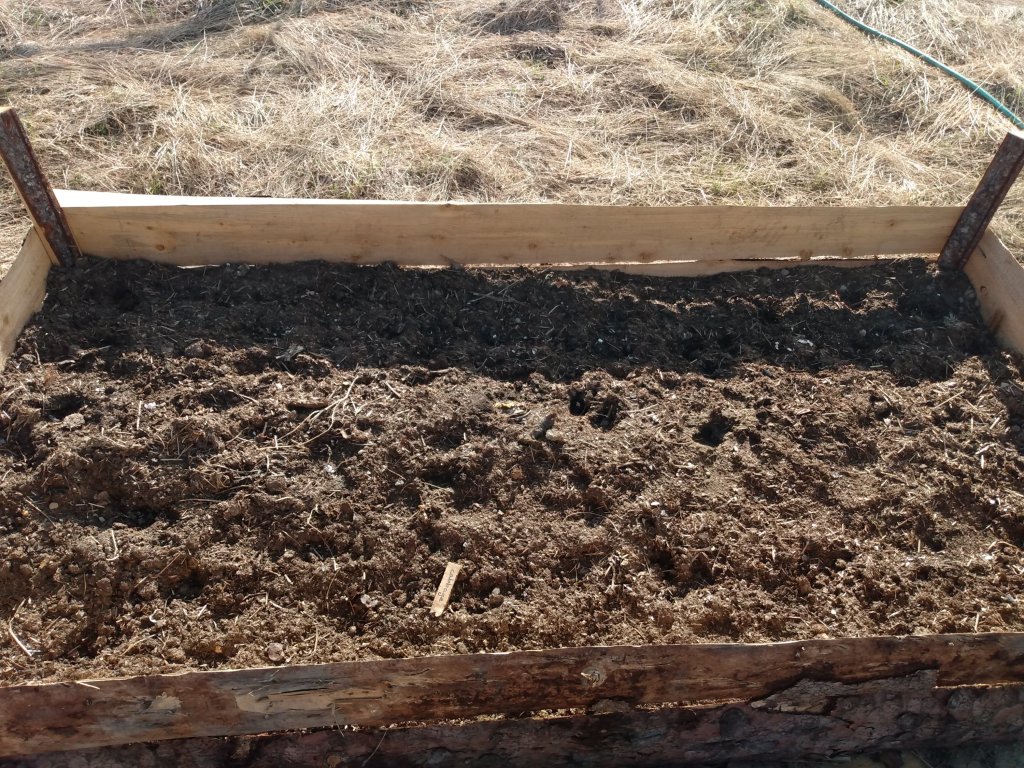
Kids building raised bed #1. Cardboard over existing grass, sawmill slab raised beds, filled with topsoil mixed with manure & sawdust on top of a central pile of wood scrap, limbs and leaves. To be topped with compost.

There’s the existing compost pile (that Thing 2 made years prior for a science project) that she’s expanding to double the capacity. Plus she’s already made her strawberry bed with tires and shared plants from Nancy, our neighbor up the road. Nancy is the sweetest. She’s taken the girls under her gardener’s wing and been bringing them plants and sharing information (and ice cream too apparently) with them. This relationship I approve of, not sure about the ice cream tho. Lol

With each passing weekend we try and do a little more work on the garden prep. We are still frosting at night here in our little low spot at the bottom of the hill. So waiting to go to the greenhouse to buy plants, but soon we’ll take out a small loan to make the trip.
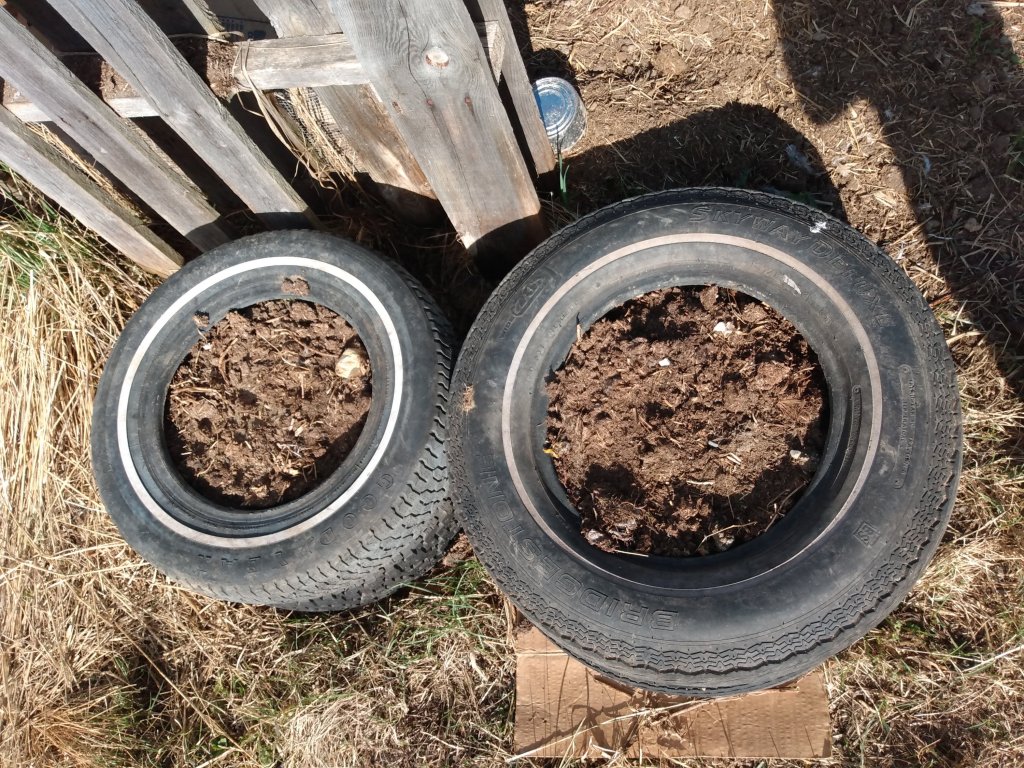
Potato tires next to the compost bin. These are golden fingerlings.
The first bed with soil added
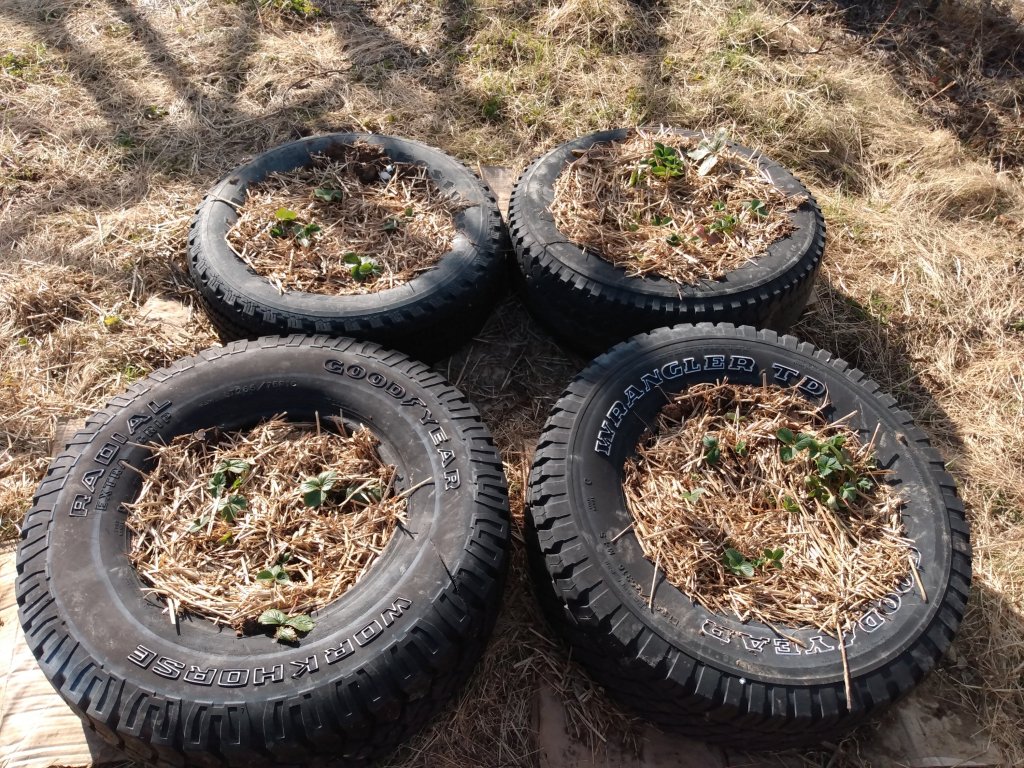
Strawberry tires.

I’m very excited for Thing 1 and her goals of gardening and am trying to support her as much as possible but she really is doing most of the work so far. Plus she is carrying on the garden tradition of her Papa Alaska. Who certainly had it figured out with his two massive green thumbs.

We’re doing what we can to produce food for ourselves, in that old sourdough spirit.


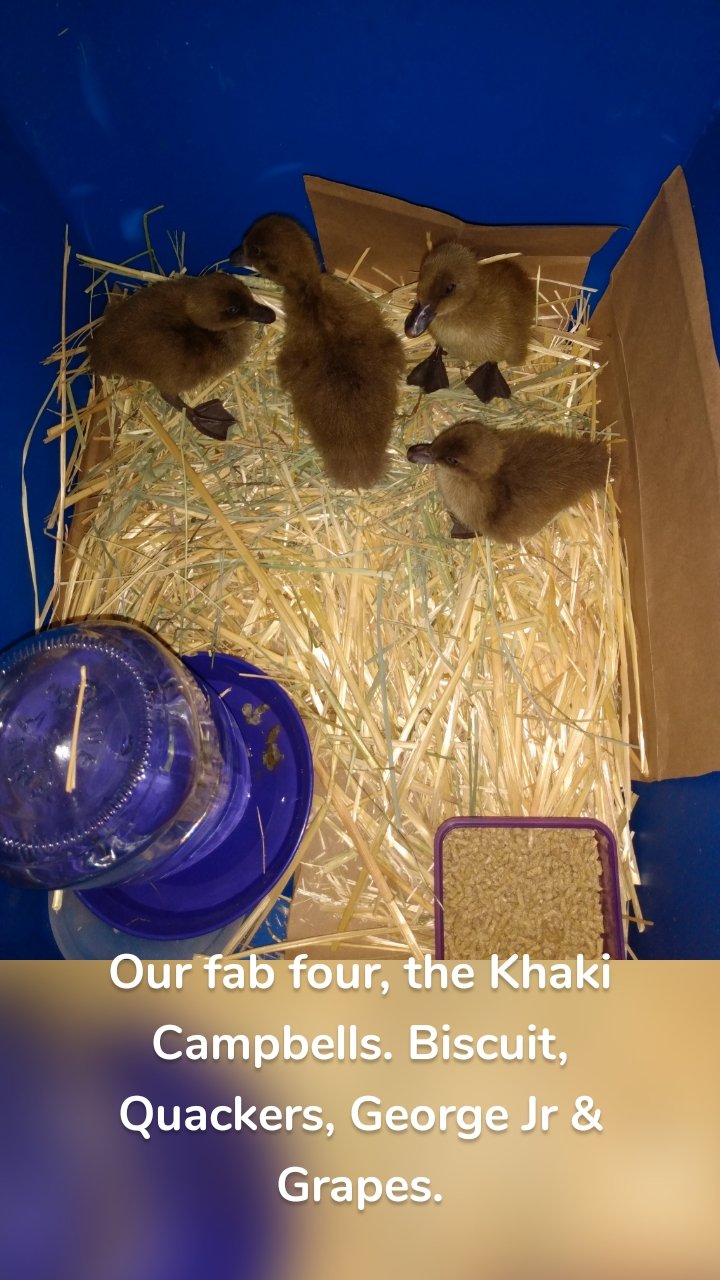
Our fab four, the Khaki Campbells. Biscuit, Quackers, George Jr & Grapes.


Tasty!

What foods did sourdoughs eat I wonder?? So I did some prospecting for information nuggets and found some interesting factoids. Besides the well-known home made cakes & breads, we know that Sourdough’s ate a lot of salted meat, hardtack and whatever else local foods they could muster.

Around here, we incorporate traditionally harvested foods in our daily diets. Unlike the traditional Native Alaskan subsistence culture & to some extent, Sourdoughs of the past, our diet isn’t solely based on these foods, but an interesting addition. Except for salmon, that’s an integral part of our diet.

Some years we simply don’t get a harvest of certain foods. Like mushrooms. We may hunt and hunt for morels and just not find more than a meal’s worth. Or we may not be able to go out and hunt at all. But we don’t starve because of it.

Some years we gather a large amount of berries, one variety or another. Last year it was low-bush cranberries, the year before it was raspberries… Then the jams and jellies will be plentiful. And a few tasty desserts. But if we don’t gather any, we don’t starve.

Some years we get a moose, other years we don’t. But, you guessed it, we don’t starve. We make due with what we have and the local grocery stores & a farmer here and there. We have this security and conveniennce that Sourdough’s of the past did not have. Life is less stressful during most years due to this convenience.

Now, add in a couple of years of supply shortages and outages plus sky high inflation, suddenly supplementing our diets with foraged foods becomes more of a necessity for modern wannabe sourdoughs.

Like those leathery old souls of yesteryear, we’re eating things like moose stew and salmon cooked every which way you can. We’re making sourdough bread and capturing Birch sap to add as many varied vitamins, minerals & nutrients to our diet as possible. And flavors. It’s important to have variety.

We’ll be looking for those first shoots of ferns, fiddleheads as they are called, and fireweed shoots. Perhaps we’ll get our timing right for horsetail shoots as well. All of these “spring tonics” to help get the sluggish winter gunk out of our systems and jumpstart us for summer’s busy schedule.

Then we’ll be harvesting dandelions en masse for jellies and maybe a fried blossom or two. Throwing a few greens into our salads. We’ll be drinking “pineapple weed” and spruce tip teas. Both can be made into tasty jellies as well. Then it will be salmon harvest time. You know where to find us then 🤣

We may do things differently than our forebearers did but I guarantee you that we are eating some of the same things. Mostly we are eating Alaska. And being ever so thankful for her abundance. B’H!

Moose Stew

I make moose stew two ways, fresh or with canned moose. I’ll share both with you here.

Start with a pound or two of chopped moose meat, brown in a cast iron dutch oven with plenty of fat (use what you have: oil, butter, tallow, etc).

Once browned and smelling delicious, add to the pot 2 qts of liquid, make due here with broth or water. Two- three large potatoes chopped into bite-sized nuggets. Three or four large Alaska grown carrots or make due with any old local variety, by local I mean imported from hundreds or thousands of miles away. Toss into the pot whatever seasonings you have: garlic, bay leaf, salt & pepper, celery seed or salt, cayenne, Worcestershire sauce, or a Cajun spice blend if you’re so lucky to have. Bring it to a boil. Reduce heat and simmer for hours until meat and veggies are tender. Better if you place it on top of the woodstove in the winter, and let it slow cook all day.

After the meat and veggies are done you can either eat as is, soup style or add some thickener for a more traditional stew. I usually prefer cornstarch since it’s gluten free. Make a slurry with about a 1/4 cup of cornstarch and enough water to dissolve it all. Mix it up and pour into your simmering pot of Stew. Stir and cook until the soup is thick and clear, not cloudy from the cornstarch.

You can also thicken with wheat flour in a similar manner. Your stew will have a more opaque appearance then with a clear cornstarch based sauce. It also will not be gluten free then, but if that’s no matter to you, then by all means, carry on!

Usually I make stew with canned moose meat and veggies. I think the moose tastes much better plus half the work is already done. Besides being a quick meal, it’s what we have in the pantry.

To a large Dutch oven add 2 jars moose meat, 2 cans carrots and 2 cans potatoes, season to taste as above recipe dictates and heat through. Once heated, add thickener of choice and cook until thick and hearty. Serve with sourdough rolls, hardtack, pilot bread or matzos if the timing is right. Enjoy!

I hit the jackpot with serranos and red bell peppers in the clearance section. $4 for enough peppers to can up some hot pepper relish.

Relish is a super easy undertaking and great for beginners. I used this recipe.

I chopped all my peppers in the food processor. Added minced garlic, vinegar and water and boiled for 5 mins.

I also tried out my new Tattler lids that I ordered last year. I thought this would be a good batch to test them out on.

I made a small batch of 6 half-pints plus enough left over to blend up into a hot sauce that I’ll just put in the fridge (without canning). Processed for 10 mins in boiling water bath. And voila~easy peasy & done!

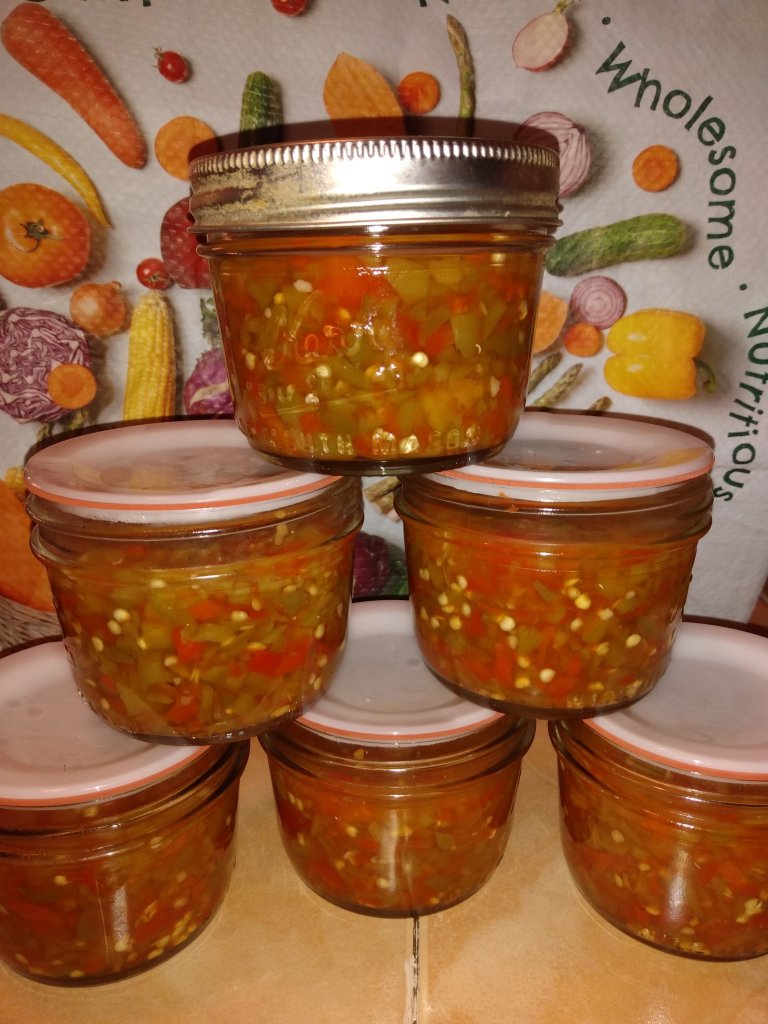
Hot pepper relish.

One of my lids didn’t seal, I must have left it too loose. There’s a learning curve with these but I’ll get the hang of it.

With half of the family enjoying spicy foods, this will add some nice spice to the pantry.

To recap my OAMC adventure so far:

Jan~ Turkey soup

Feb ~ Beef stew & Bean soup

Mar~ Mushrooms

April ~ Hot Pepper Relish

Thing 1 is taking botany this year for her science. She’s been wanting to try out tapping birch trees to harvest their sap for a while now. This past weekend she got her chance.

Our days are longer and warmer but our nights are still plenty cold. Perfect time to tap a birch. I bought some tree taps at the farm store last week and two new 2 gal buckets with lids. Once we got to the cabin she went out, drill and supplies in hand.

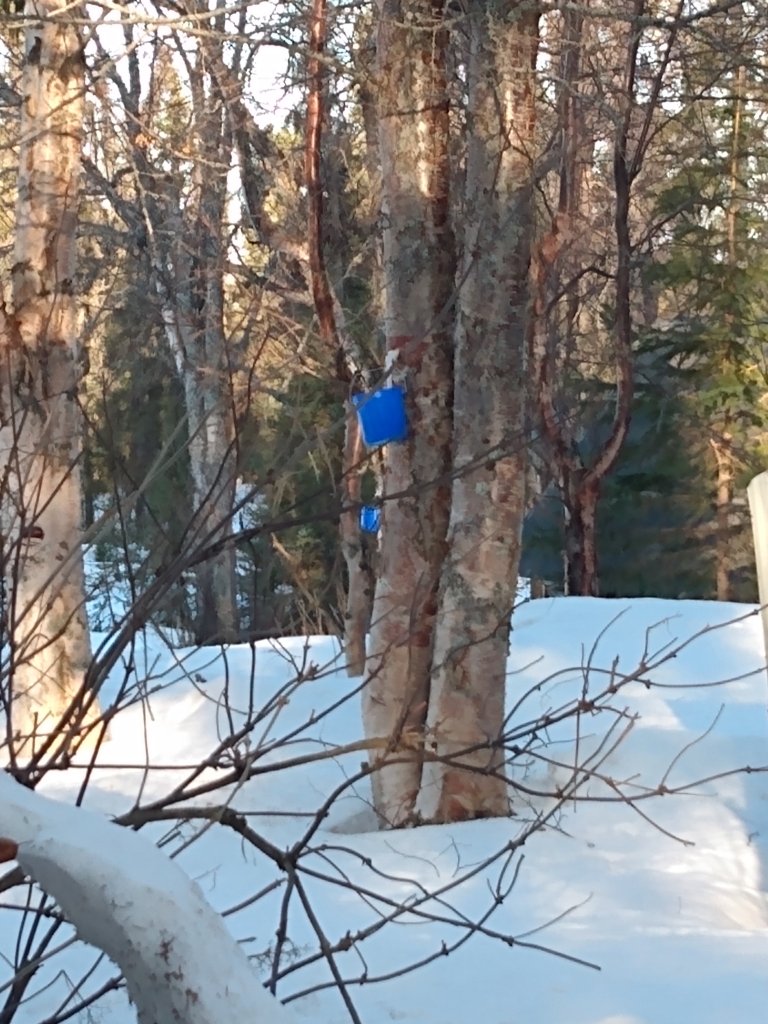
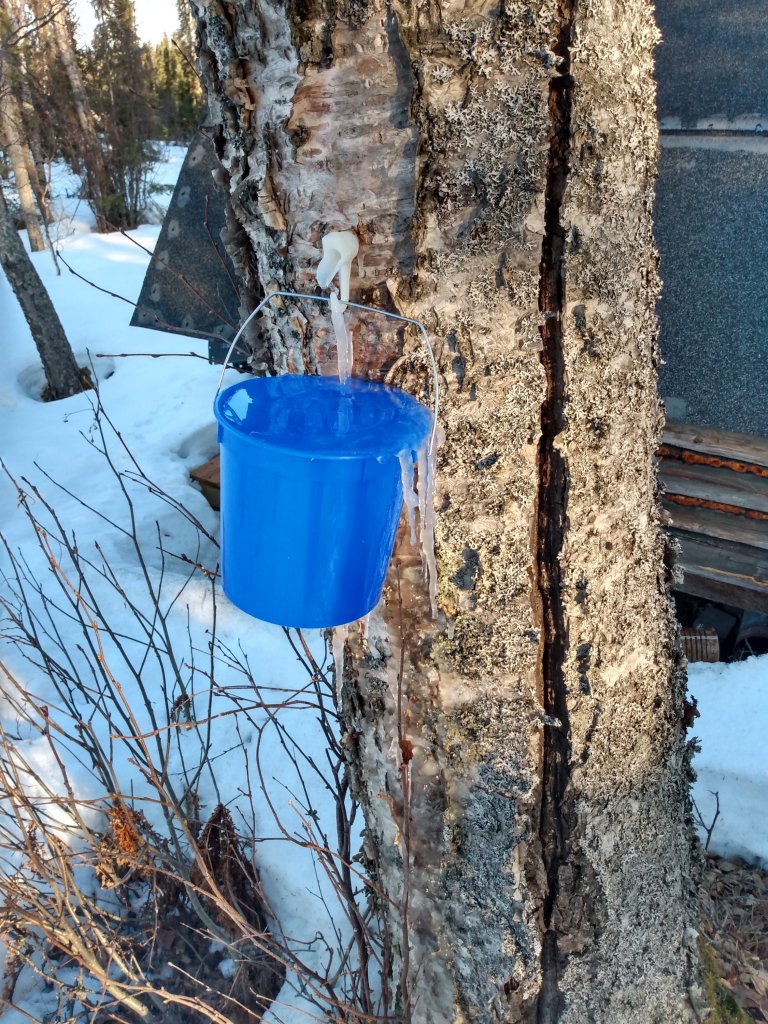
The “Slow drip” tree in the foreground.

She settled on two old trees, one next to the sauna, the other up by the smoker. Taps in place and smaller buckets hung catching the few drips that morning. As the day went on, the sauna tree seemed to be the better producer.

She went out and checked late afternoon and wow! Full bucket in the sauna tree! Holy smokes it works!

Overnight the temps fell and we froze up solid. The “slow drip” tree froze up but the sauna tree had overflowed it’s bucket!

Slow drip, froze solid.

We broke off those sapcicles and ate them. Nature’s “Otter pops”!

All in just over 24 hours she got two gallons of birch sap. Impressive for her first try!

Now begins the process of cooking down the sap for syrup. I’ll let you know how long that takes!

Sauna tree’s cup runneth over.

Time to go so she whittled some birch twigs to fit the drill holes to plug the trees. Covered that with duct tape of course. And thanked the trees for their donation to our diet.

I thought I’d give an update since my 30 day challenge. Today it’s officially been three months since I kicked the sugar habit

I’ve continued avoiding sugars. Following a lazy keto style diet with reduced/low carbs most days. I haven’t missed the sugar and have been happy with the keto friendly alternatives. I have enjoyed some blackberries, raspberries and a few strawberries with keto yogurt when I needed a little dessert.

My daily beverages have been coffee with a protein powder, water, unsweetened tea & seltzers. I’ve had three adult beverages over the course of the past two months. Once for Dean’s birthday pizza dinner, I had a gf IPA. Then two weekends back I had an Alaskan Hard Seltzer in their new mango flavor, pretty tasty. And of course a glass of rhubarb wine in honor of Dad, of blessed memory. Can’t skip that. 🍷

I feel pretty good, definitely have more energy. I can tell a marked increase in hunger when I’m eating a lot of carbs. That knowledge makes it much easier for me to keep the carb count lower. And mixing up tasty NA drinks helps keep the beverage doldrums away.

I’m going to continue on for as long as I can. And I’m looking forward to the snow melt and summer activities to come!

Officially this is my sixth post in this series, month number two. I’ve definitely spent some time researching for these posts and learning new things along the way. There are a few books I’ve discovered that I’d like to read. But I digress.

Mostly during my research I find a lot, a tremendous amount really, of information about sourdough starters, and breads

I used to have my very own gluten free sourdough starter and enjoyed so many tasty morsels made with it. Pancakes probably topped the list. There’s just nothing like a sourdough pancake hot off the cast iron, with a big ol pat of real butter and real maple syrup drizzled over the steaming cake. Oh my.

I’ve tried to get new gf starters going here but for whatever reason, I’ve simply failed miserably. User error, weird wild yeasts, mold, flies, whatever, no good working starter for me.

Recently, our friend Barbara gave Thing 1 a wheat flour based starter and she’s excited to start her own tradition of keeping a starter. I’m excited for her even tho I won’t be enjoying it myself.

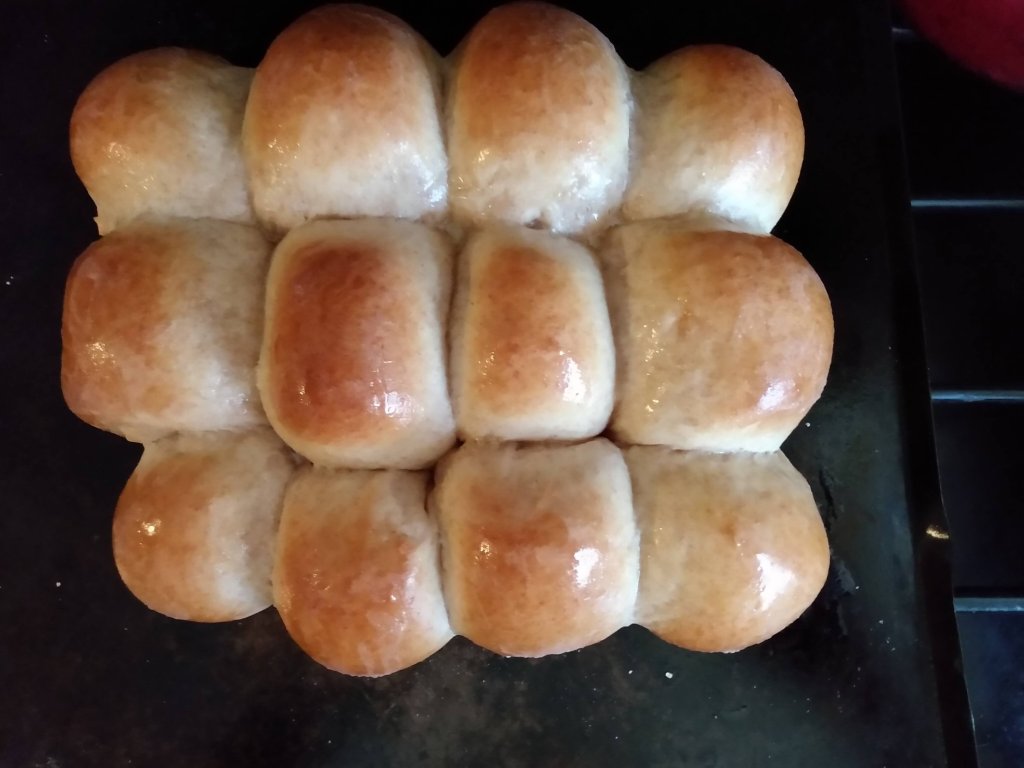
She’s made two batches of dinner rolls with her starter so far. I must say the house does smell delicious when they are baking.

Her second batch of rolls.

Everyone loves them.

Everyone but me, of course, not by choice.

I’m glad to have influenced another generation of humans to experience and fall in love with the tradition of sourdough. Also glad to know they are eating something wholesome and preservative free.

If you’d like to try your own hand at sourdough there’s a few ways to go about it. Find a friend with an active starter and get a bit from them to grow your own. You could buy a starter from an online source. Here’s an Alaskan version. Or you can mix up your own from scratch. Here’s a recipe link.

Just remember, there’s no store bought packaged yeast in a true sourdough starter. It’s basically just flour and pure water (no chlorine or treated water). You’re capturing wild yeasts in the air to build your starter with. This is what gives it the distinct flavors of your local area. If you do build a starter with packaged yeast that’s okay to begin with. Just give it a try. Once you master the feeding and use cycles, try capturing a wild strain! Then you can compare and see if you can tell the difference & which you prefer!

I hope you give it a try! Drop me a line if you do! Happy sourdoughing!

Nothing like procrastinating until the last day of the month but here we are. Earlier this month I did buy two large boxes of produce: one box of bell peppers which we chopped and put in the freezer; and a mixed box of avocados & tomatoes, which we ate fresh. No other appropriate for canning deals were presented to me! 😉 I really did not think I was going to make it.

Then today, I got a call while at work from my friend Barbara. IGA had boxes of mushrooms for $10 each. So I splurged and got two for us and two for Mo! She even delivered them to me! What a deal!

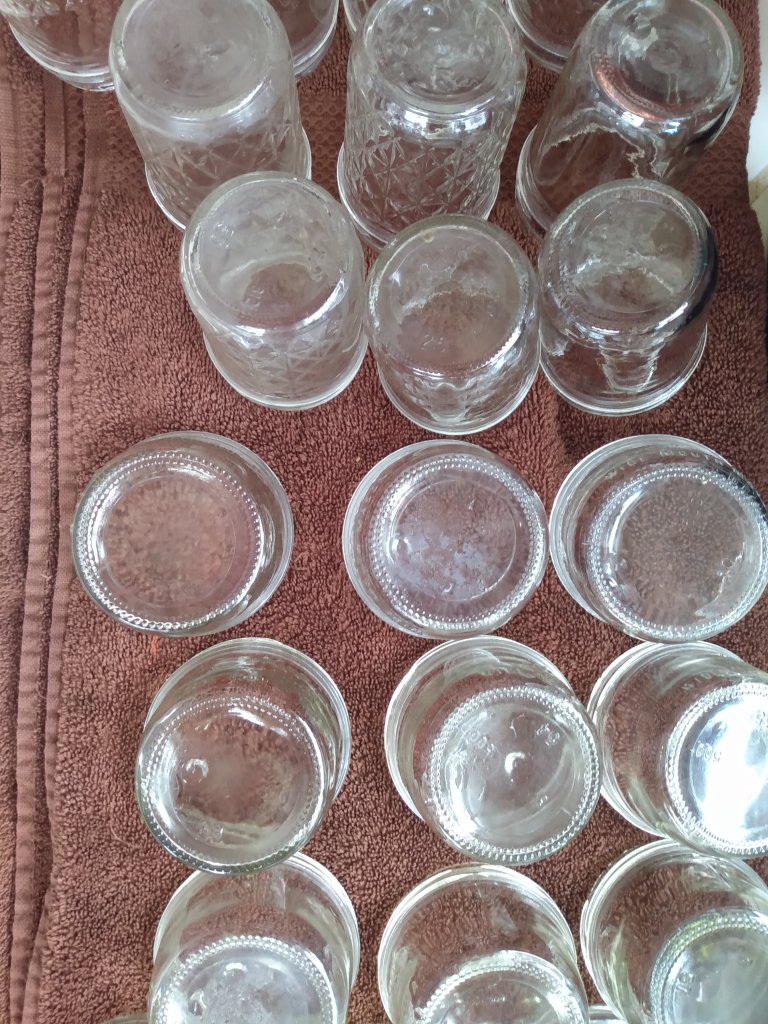
Once home I put the kiddos to work helping slice up one full box. They a took a turn slicing & dicing. Thing 1 had prepped jars for me and got the kitchen in order for canning. A big help!

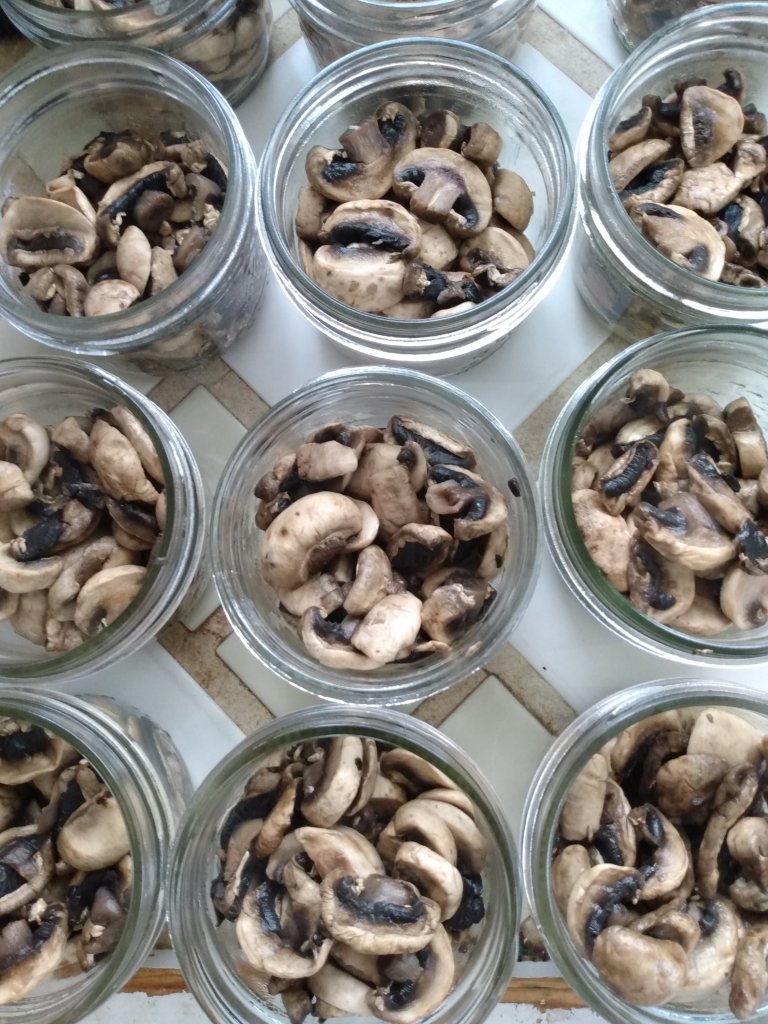
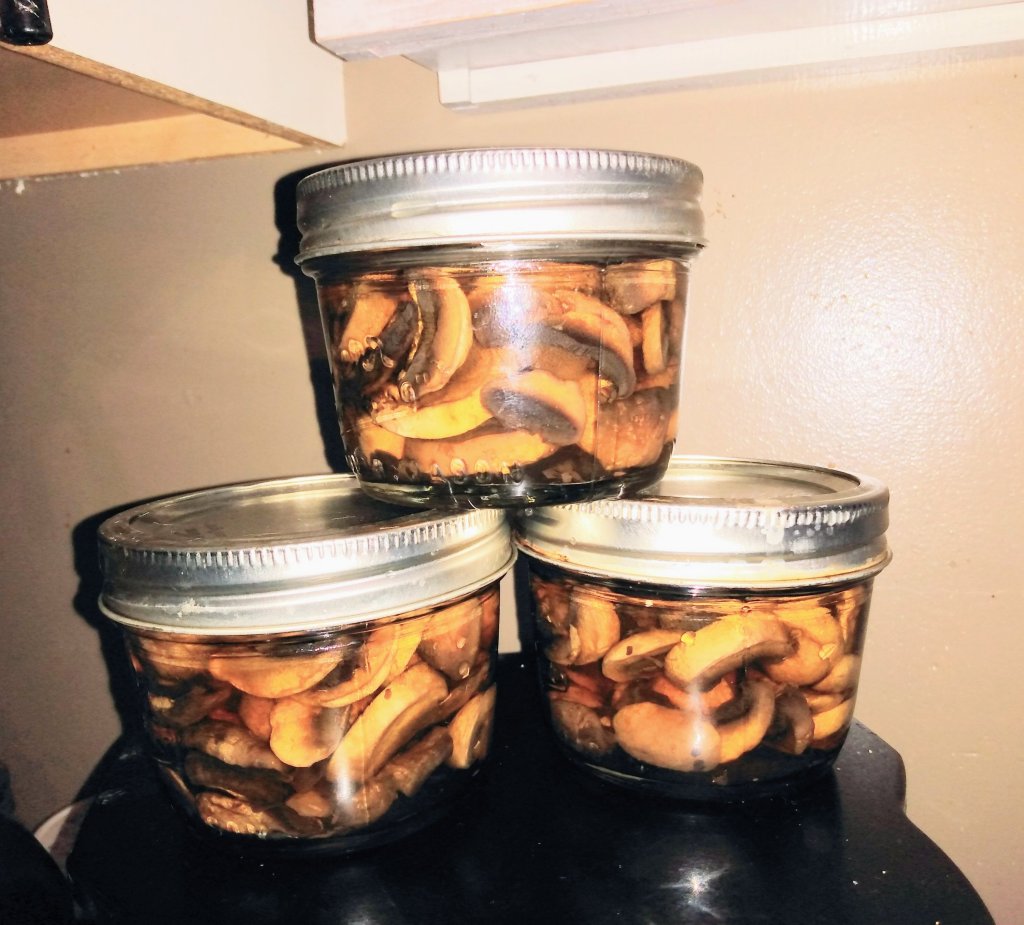
Once prepped I started blanching them and filling jars. I ended up with 21 half pints in the canner. I’m going to process at 11# for 45 mins.

Blanched ‘shrooms in the jar.

A case of canned mushrooms, in the little cans, is about $14 here. So $24.50 if I had bought them the same amount, and my jars are larger than the little cans. Basically I got a 1 3/4 cases of ‘shrooms for $10, less than half price. Great deal!

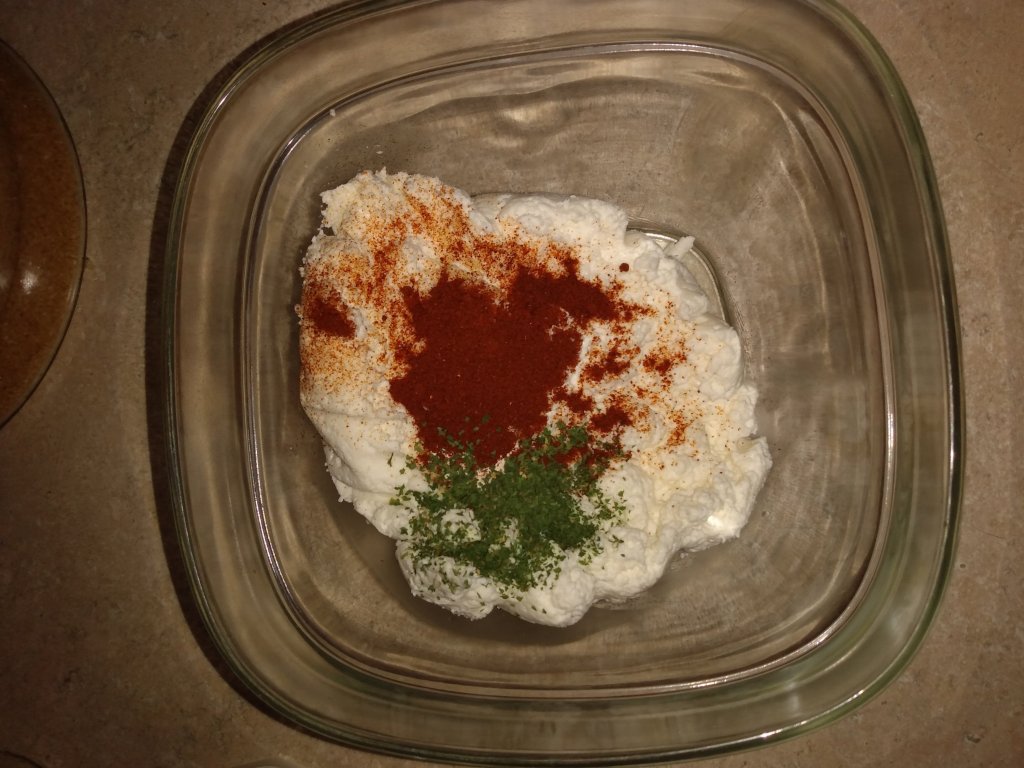
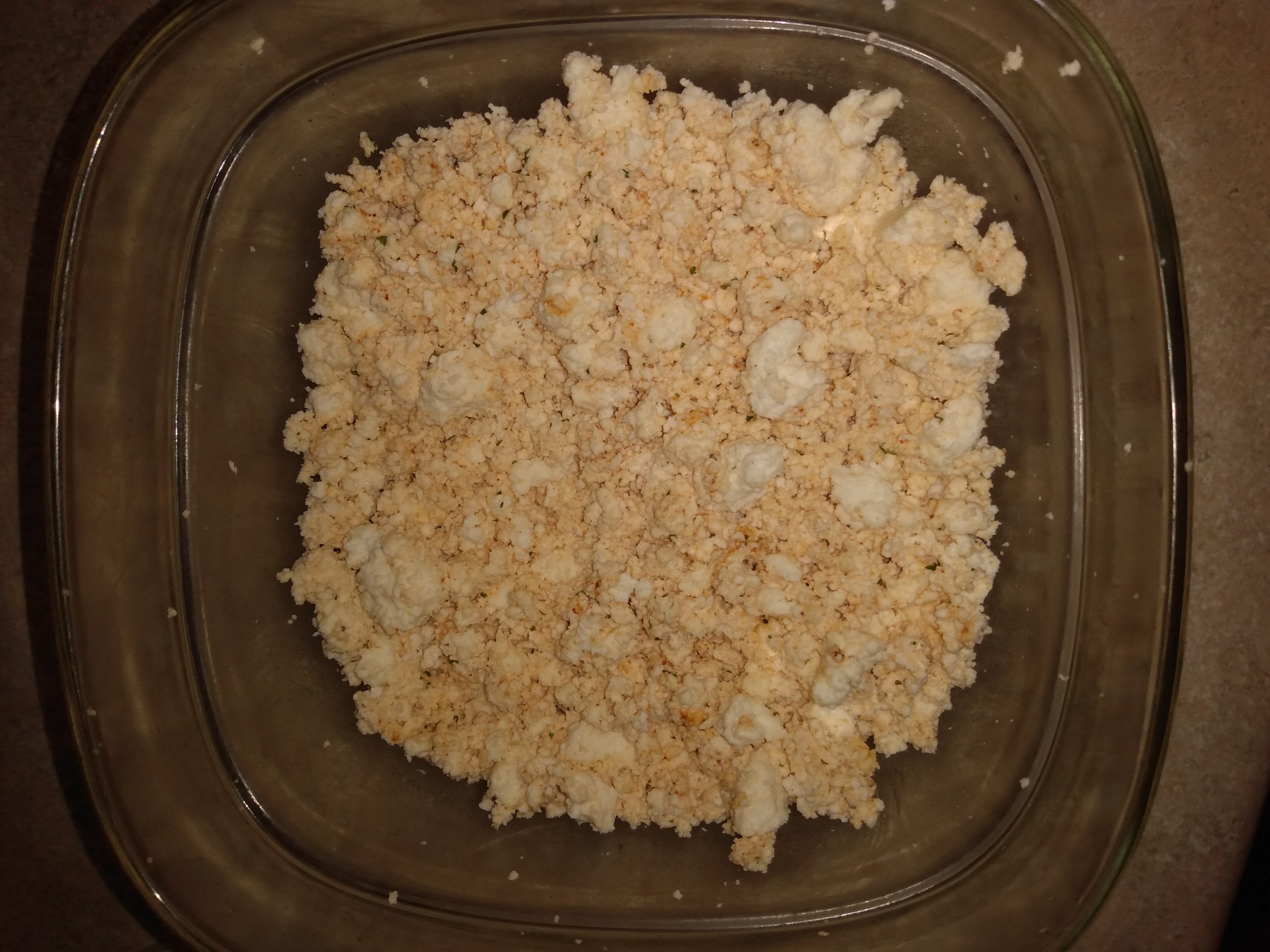
Besides canning this evening I made some farmer’s cheese with a gallon of fresh goat milk I also got from Barbara! I’ve got friends with the goods!!

Cheese with spices, ready to mix.

All mixed up: chipotle, garlic & parsley. This will be great on tacos or enchiladas! Fresh from the farm cheese.

Besides all this food prep I made dinner. Whew, I’m tired. It feels good to have put up an entire box of mushrooms. The other box will be used divided up between fresh use and dried. Many thanks to my kiddos & Barbara for helping me achieve my March OAMC goal!!

Pretty mushrooms in jars


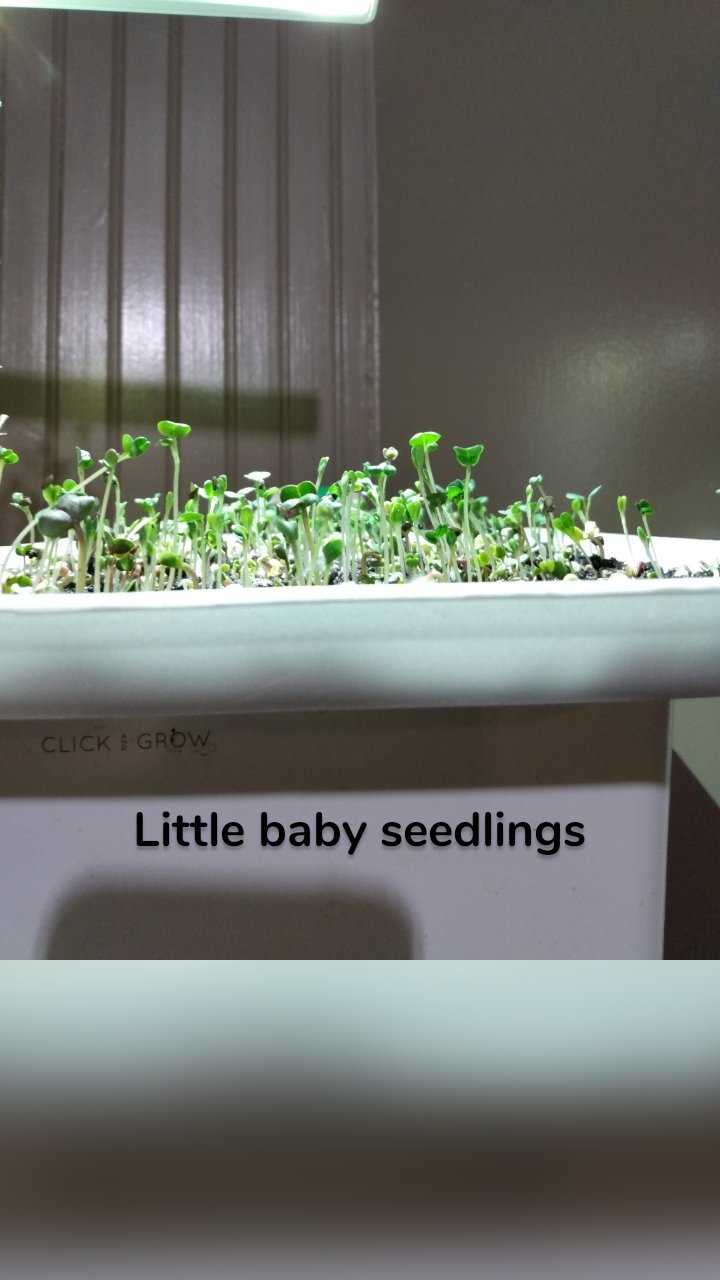
Little baby seedlings