Skip navigation

Tag Archives: alaska

Dwellings are a very important part of Sourdough Culture. We are fortunate to have a collection of historic cabins in this area. Kenai Kasilof, & Soldotna all have cabin parks, cabin museums and other preserved buildings.

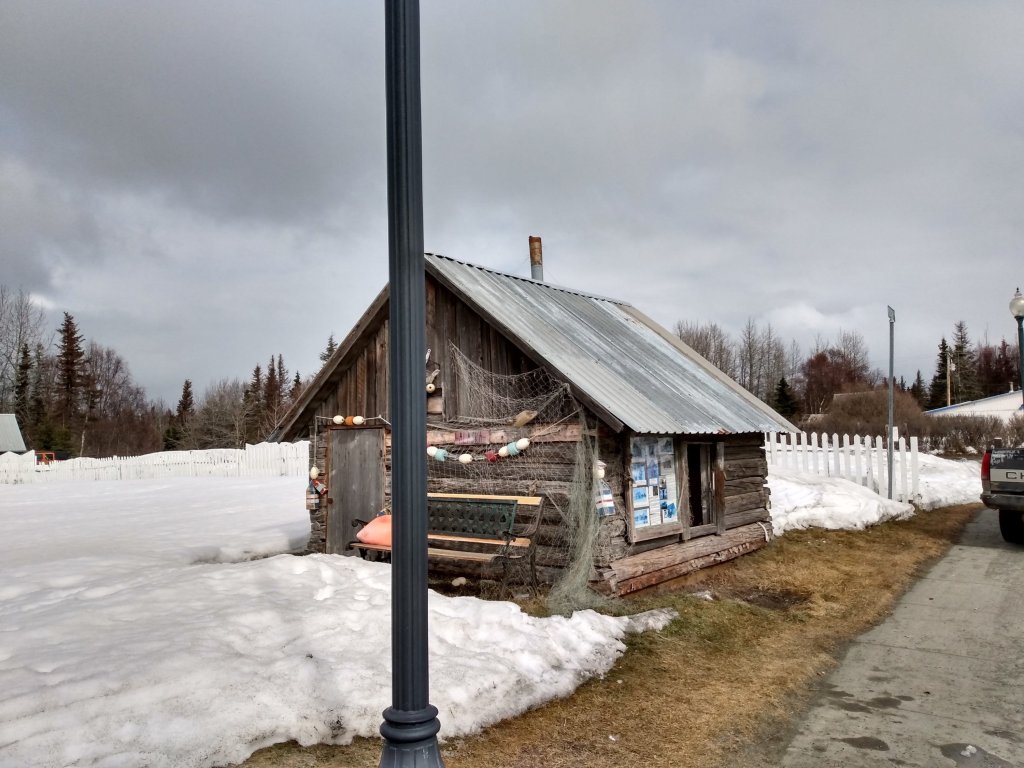
Dean & I have done two historic cabin repairs over the years. Recently we restored a roof on a cabin in Kenai. Several years ago we replaced a rotten base log in a cabin in Soldotna’s Cabin Park. We have to be careful to keep historically accurate in our repairs.

I enjoy working on these old buildings. I’m touching wood, trees that were living in the 1800’s. It’s standing history that I get to play a tiny role in protecting. Think about all the happenings that these buildings survived. Everyday human events, epic volcanic eruptions. The biggest earthquake in Alaska’s history. Three major cultures: local first peoples the Dena ‘ina Athabascan, Russian traders and settlers, then other English speaking settlers evolving into Americans. All have left their indelible marks locally.
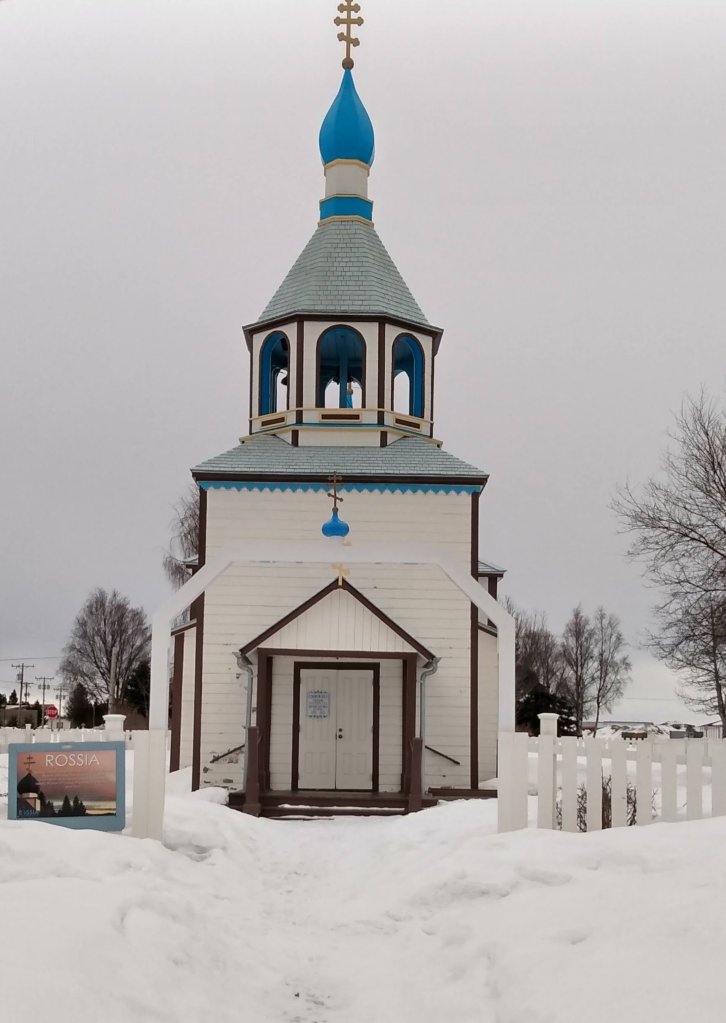
1896 Russian Orthodox Church,
Old Towne Kenai, Alaska.

Often you can still see the cut marks from hand hewing. And the craftsmanship is always an adventure. I love the dovetailed corners on many of these old cabins. Some have no spikes holding them together only joinery. Chinked with moss or mud, long gone over with the passing of time. Some have been restored and continue as dwellings today. Others are preserved for posterity, lest we forget where we came from.

Corner joinery detail at Veronica’s Cafe. Another historic cabin in Kenai.

In the era these old cabins were built, there were no lumberyards or metal shops around. Trees were cut and hewn for walls and roof supports but there’s nothing suitable for sheathing. So these resilient old souls hauled sod up and covered their roofs with living material. Complete with wildflowers. This shed the weather reasonably well and kept the cabins warm in the winter, cool in the summer.
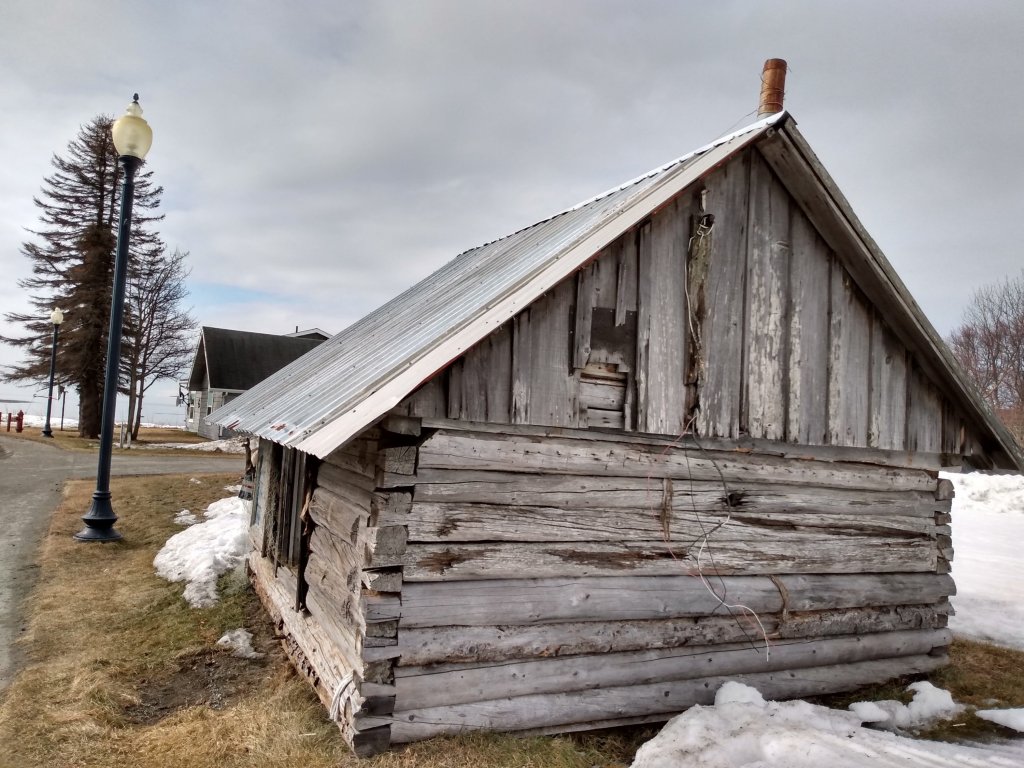
1898 cabin with similar corner dovetails.

Another standout detail of these old homes was the overall height. These buildings were shorter than typical modern buildings. Doors between 4-5 feet tall, walls under 8′, often 6′ or shorter. Materials to build were hard to come by, it took brute strength and a lot of elbow grease to build. So making shorter buildings helped conserve energy. Mostly these smaller structures were easier to keep warm. After all, you really only needed a space for your meager belongings, a bed to sleep in, some place for your dogs and stay out of the severe cold.
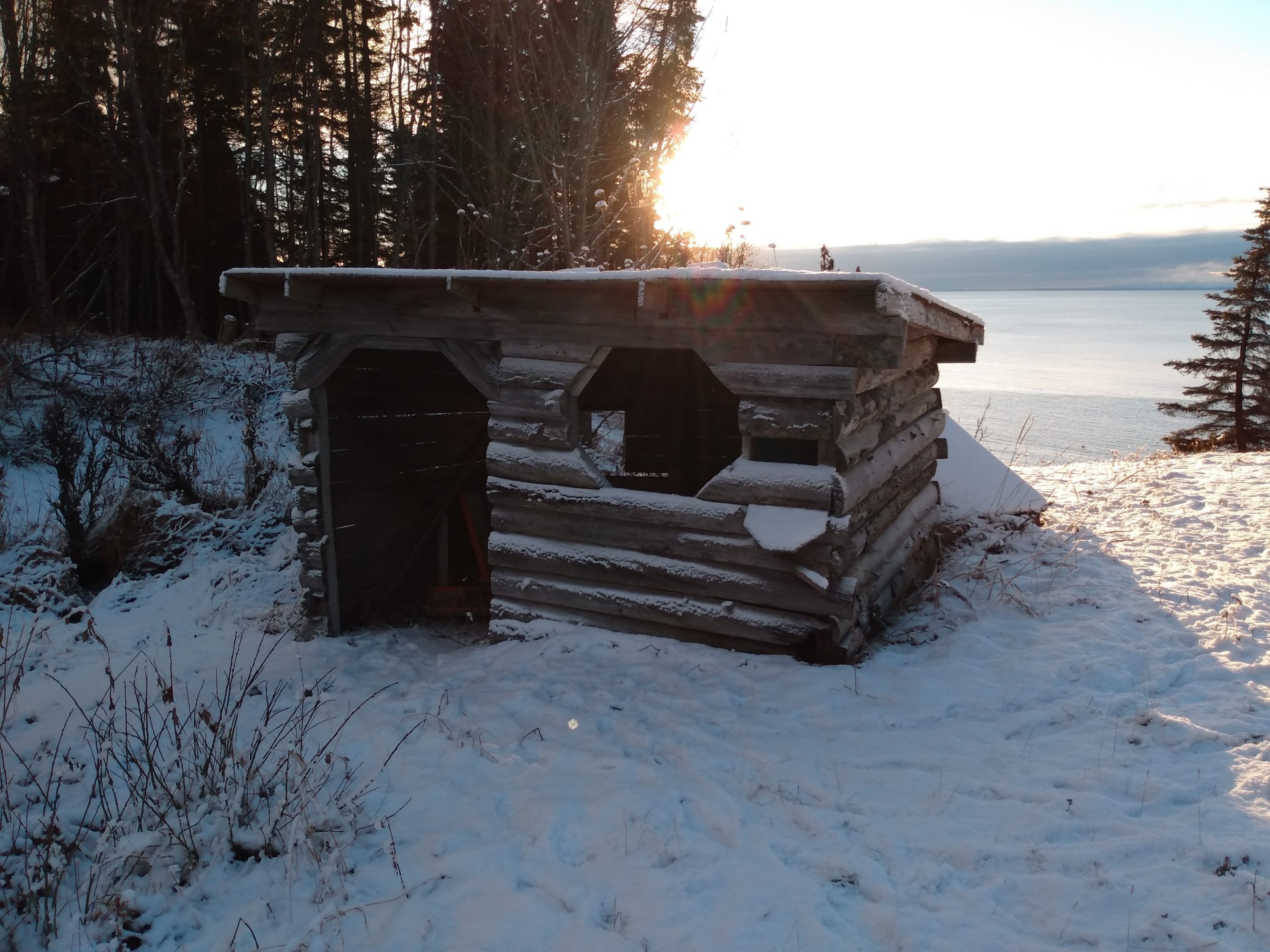
Homestead shed, used to have a sod roof. Just about to become the latest victim of bluff erosion.
The cabin we repaired, looking good as new, err, I mean good as old.
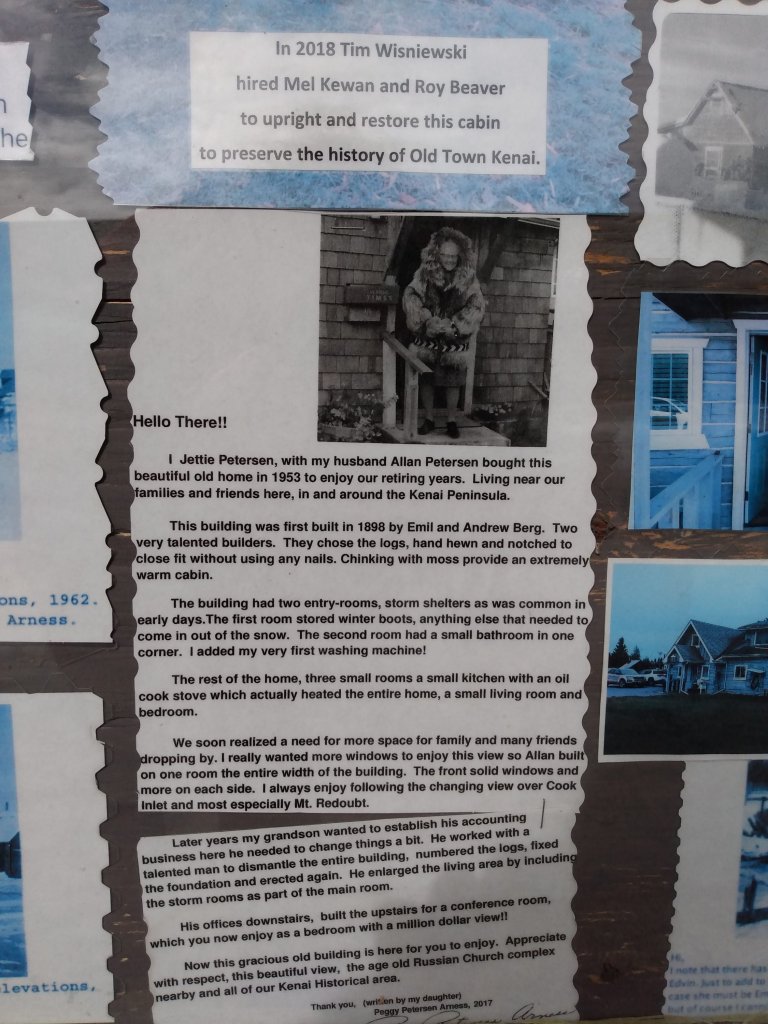
History of this little cabin.

Hand hewn cabins are one of my greatest loves in architecture. Our modern day construction technology may be different but the same love and care goes into each log I prep for a cabin I’m building.
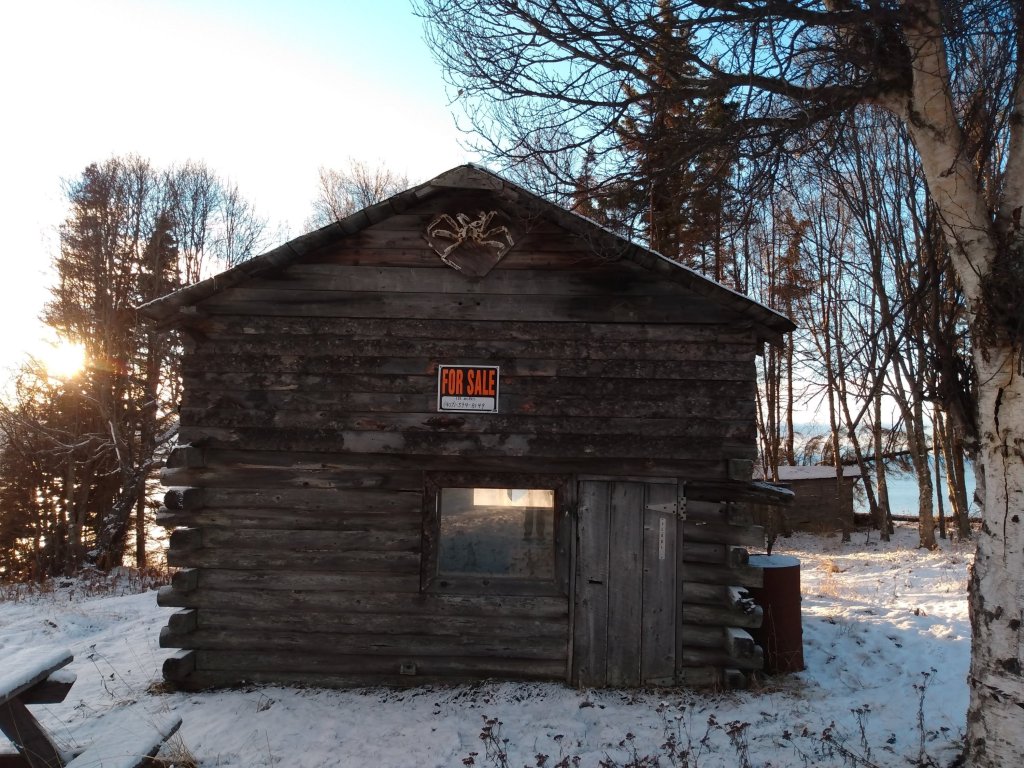
An old homestead cabin near Nikiski. Complete with sleeping loft and a king crab carapace.


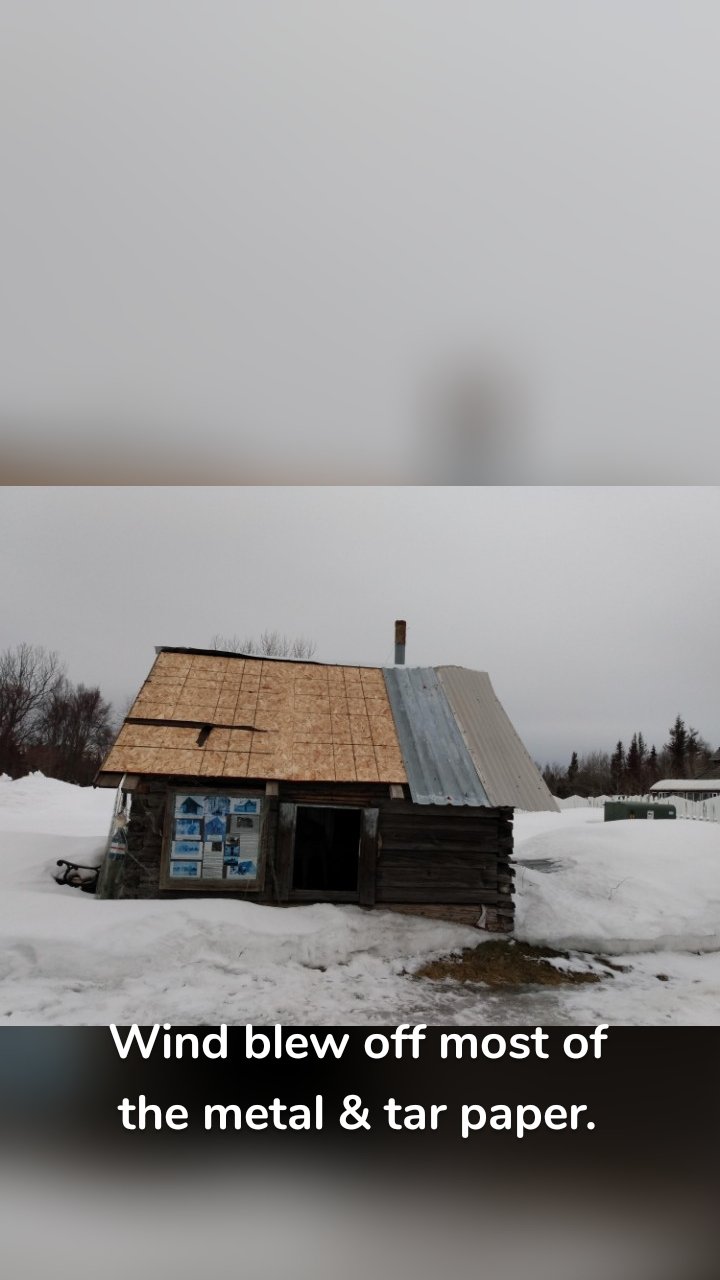
Wind blew off most of the metal & tar paper.

Officially this is my sixth post in this series, month number two. I’ve definitely spent some time researching for these posts and learning new things along the way. There are a few books I’ve discovered that I’d like to read. But I digress.

Mostly during my research I find a lot, a tremendous amount really, of information about sourdough starters, and breads

I used to have my very own gluten free sourdough starter and enjoyed so many tasty morsels made with it. Pancakes probably topped the list. There’s just nothing like a sourdough pancake hot off the cast iron, with a big ol pat of real butter and real maple syrup drizzled over the steaming cake. Oh my.

I’ve tried to get new gf starters going here but for whatever reason, I’ve simply failed miserably. User error, weird wild yeasts, mold, flies, whatever, no good working starter for me.

Recently, our friend Barbara gave Thing 1 a wheat flour based starter and she’s excited to start her own tradition of keeping a starter. I’m excited for her even tho I won’t be enjoying it myself.

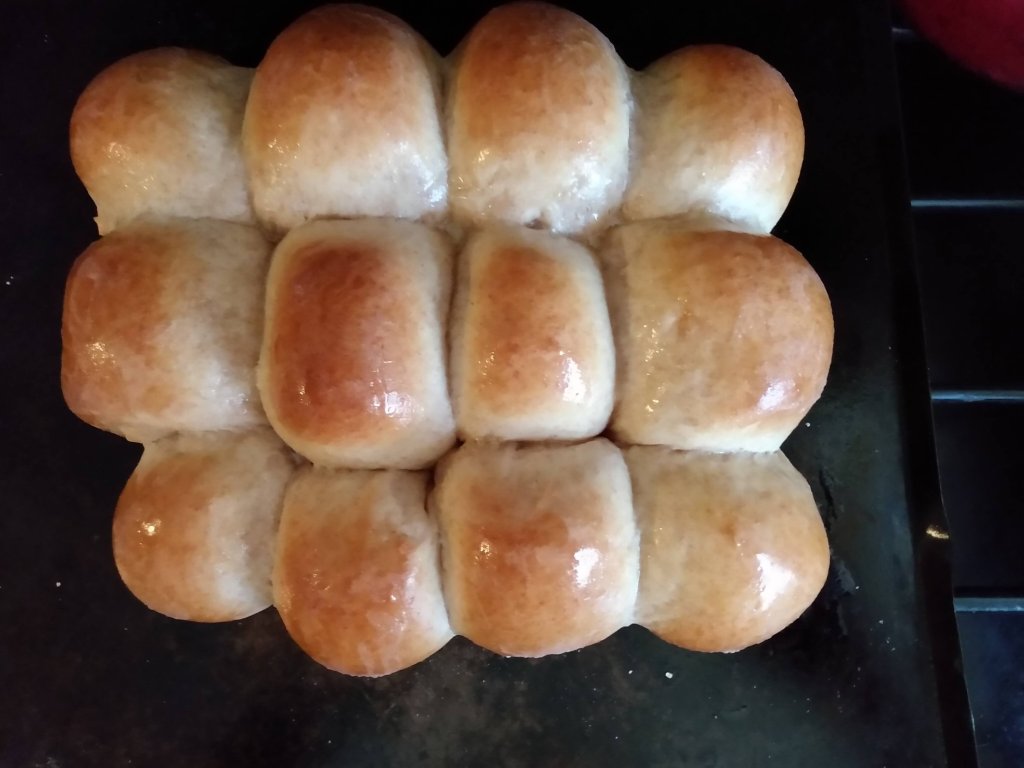
She’s made two batches of dinner rolls with her starter so far. I must say the house does smell delicious when they are baking.

Her second batch of rolls.

Everyone loves them.

Everyone but me, of course, not by choice.

I’m glad to have influenced another generation of humans to experience and fall in love with the tradition of sourdough. Also glad to know they are eating something wholesome and preservative free.

If you’d like to try your own hand at sourdough there’s a few ways to go about it. Find a friend with an active starter and get a bit from them to grow your own. You could buy a starter from an online source. Here’s an Alaskan version. Or you can mix up your own from scratch. Here’s a recipe link.

Just remember, there’s no store bought packaged yeast in a true sourdough starter. It’s basically just flour and pure water (no chlorine or treated water). You’re capturing wild yeasts in the air to build your starter with. This is what gives it the distinct flavors of your local area. If you do build a starter with packaged yeast that’s okay to begin with. Just give it a try. Once you master the feeding and use cycles, try capturing a wild strain! Then you can compare and see if you can tell the difference & which you prefer!

I hope you give it a try! Drop me a line if you do! Happy sourdoughing!


April Fool's!
Lil Bit's idea.

One thing a sourdough usually has is time to ponder. Generally in the darkness of winter, when there’s little else to do.

Since I embarked on this series I’ve spent some time pondering what being a sourdough means to me. I suppose it starts with a grandiose sense of adventure, with a stubborn persistence bordering on the insane. More than a can-do, but a will-do-or-be-damned spirit, the sort of determination you don’t run into every day.
If one is successful and survives their first Alaskan winter, (and doesn’t high-tail it for the lower 48,) they begin to shift into a more refined sense of adventure and wonder but still plenty stubborn and maybe a little cantankerous now. One’s mind will be full of a new found respect for Alaska’s fierceness and unpredictability. Hopefully, if said stubborn person is wise, they develop a better prepared can-do spirit that begins to ready for the winter right after break-up. It’s like feeding the sourdough and keeping it warm, it takes diligence and constant care to keep it going.
Get ready, “winter is coming” is their mantra.
After each winter survival the individual acquires more character and unique qualities, not unlike sourdough starter..
Before long they may even start to smell like a sourdough. Much to the shaggrin of the city folk. No worry, by this time, there’s not a care left in the world for what others think.

Time passes, and there’s no real measurement for this period as it varies with each sourdough, at some point the sourdough is perfected, working in harmony with Nature, ebbing and flowing with Her tides. Full of wisdom from experience, maybe not so full of themselves and their abilities but quietly confident & determined. Or maybe damned proud of themselves and more feisty for it. Either way, they’ll be quite content in their own existence.
It’s taken failure upon failure, possibly even a near death experience or two and quite a collection of “awes” and wonders to get here. There will have been a plethora of lessons learned. Many annoyances experienced. Lots of paths crossed and one or two well worn.
It’s a work in progress. A neverending tending to keep your culture. It’s a lifestyle, a journey.


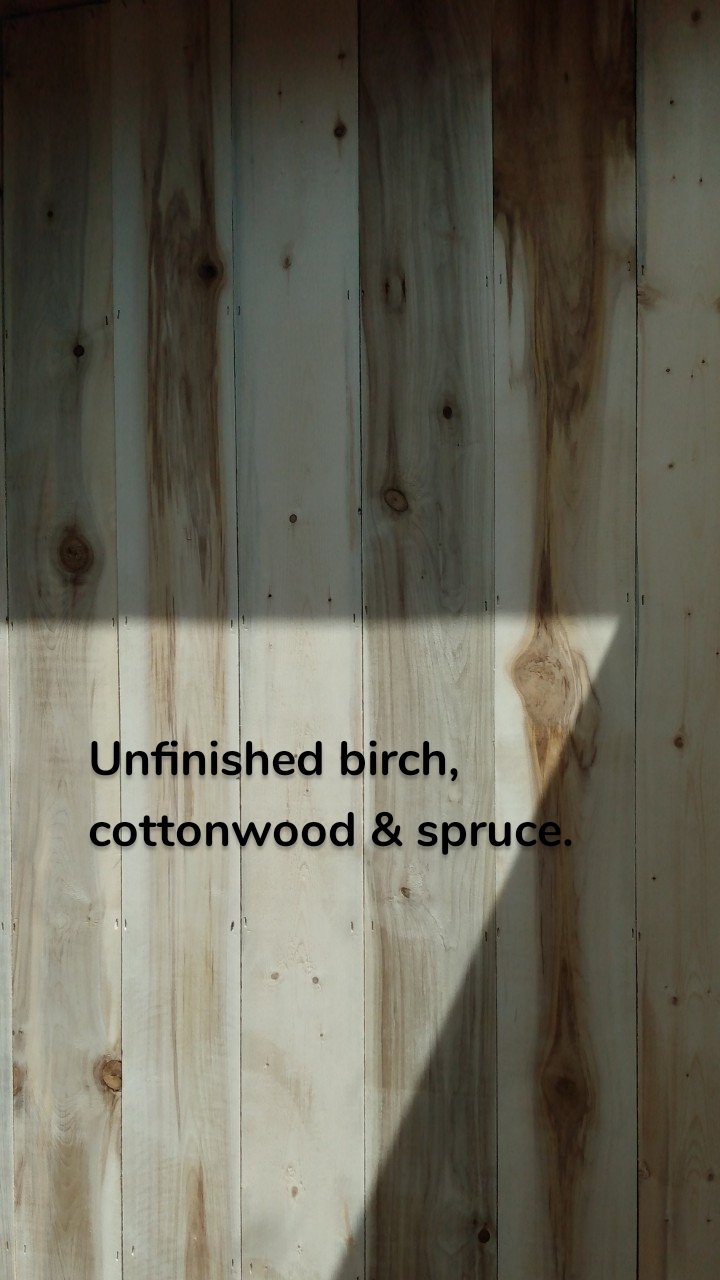
Unfinished birch, cottonwood & spruce.