We did the real Alaskan experience last night, pulled an all-nighter in -13° temps quartering a salvage moose. (I posted pics previously.)
Alaska is serious about not wasting game meat. Even salvage moose still has useful meat left after an impact, these animals are just so big. But this poor girls torso was too far gone.
The truck that hit her did not fare well. I hope the occupants are okay.
The best we can do for these animals is make sure they don’t go to waste. The ultimate environmentally friendly action
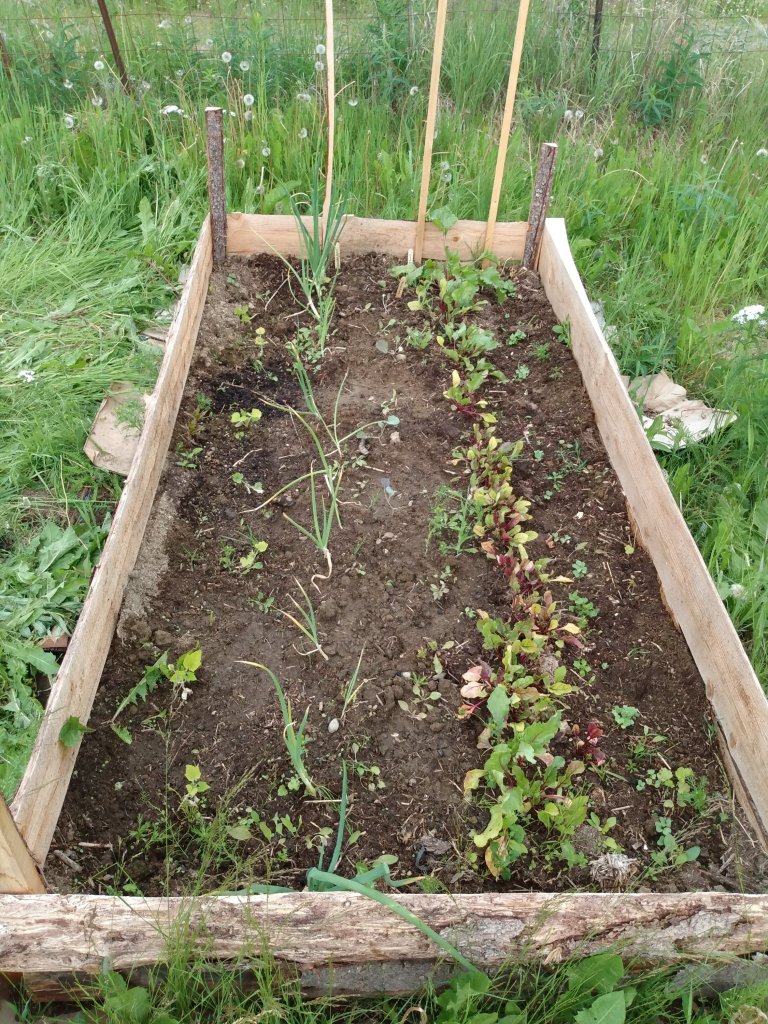
Spent several hours today helping Thing 1 with her gardening goals. Assembled another raised bed that had been cut out a month ago. Filled it and several more tire towers with compost and dirt. Planted a few more things. I scored a few shorter season plants for half off, end of the season sale. So we planted those.
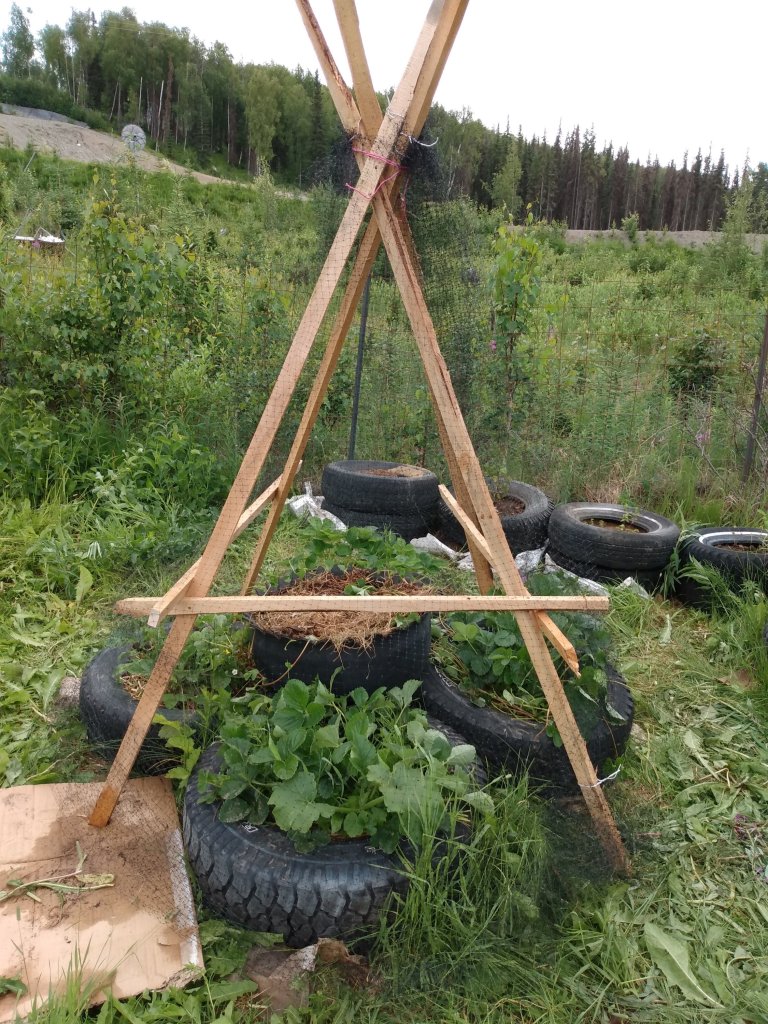
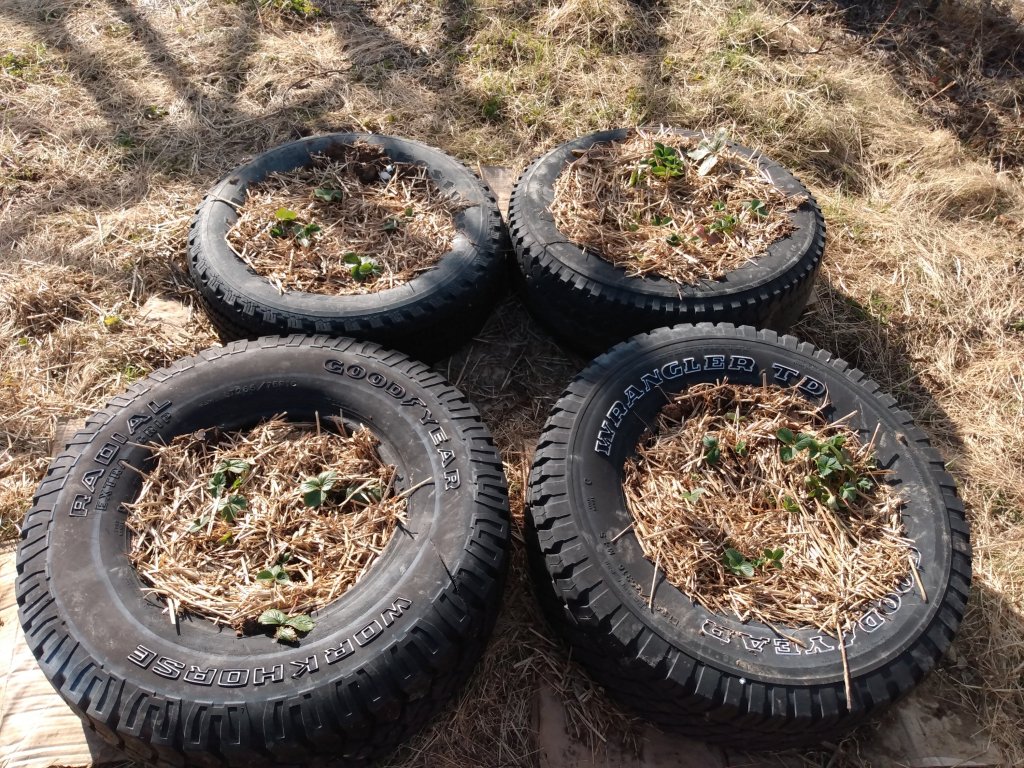
We also topped off the strawberry bed with another tier and planted some runners. Built a trellis and covered it with bird netting so we can harvest a few berries ourselves.
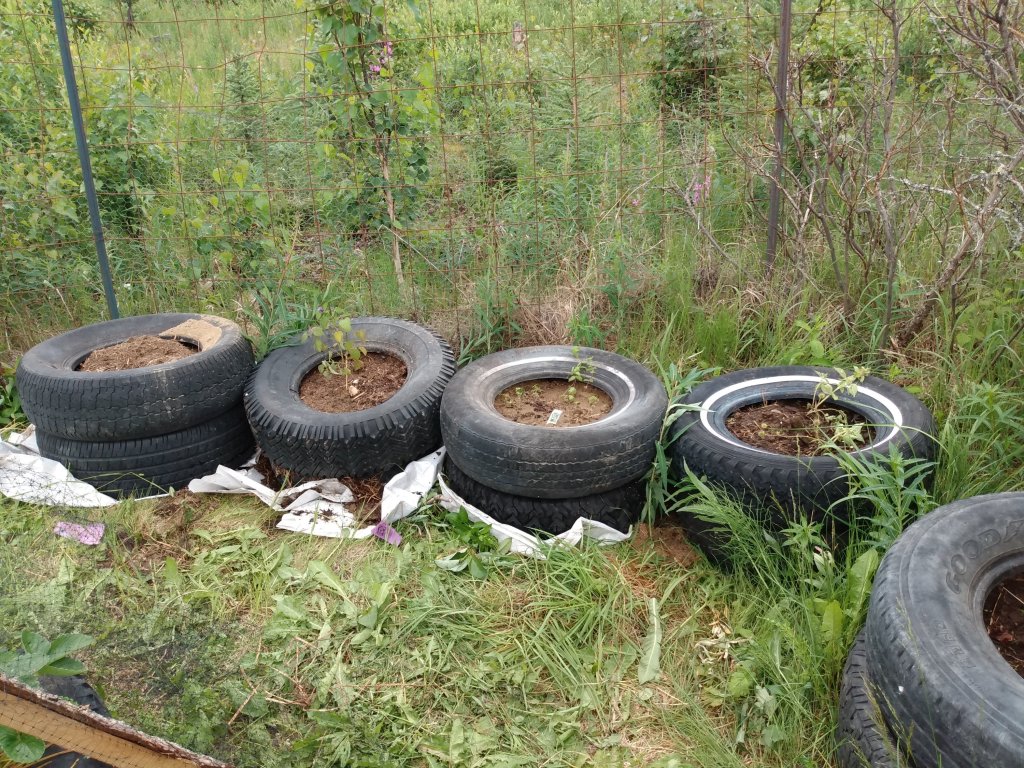
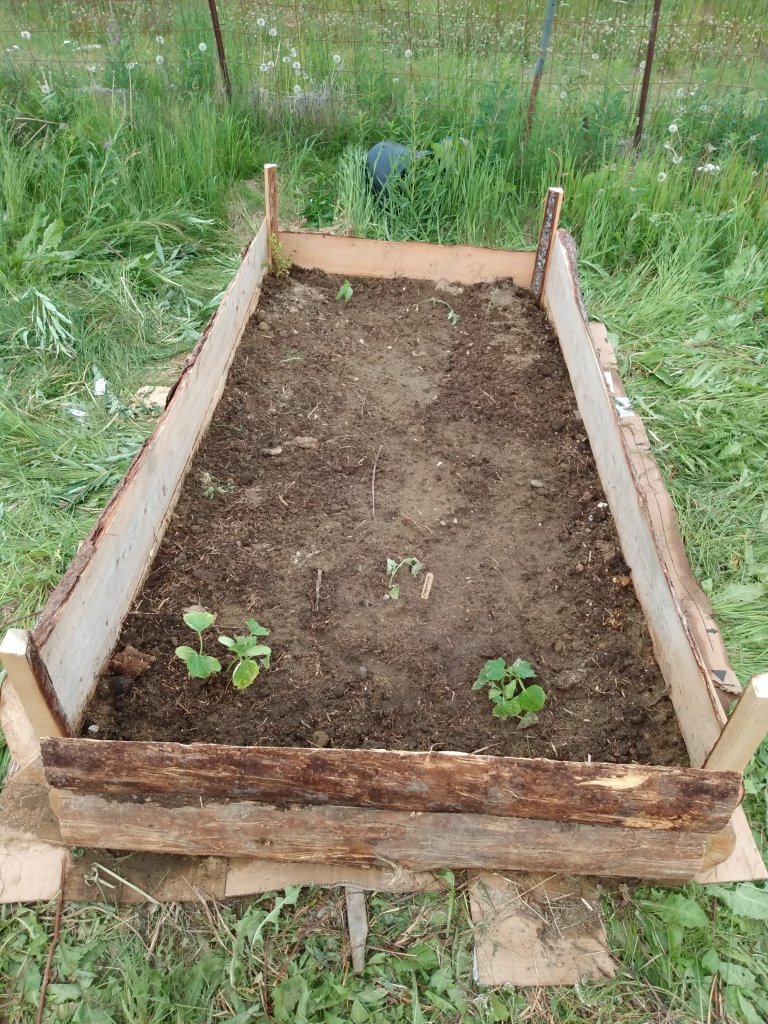
Strawberry bedMore tire towers.The newly made bed.Her first bed.
June is always salmon canning season. It seems a little redundant posting about it. But here goes.
I canned three cases of fresh sockeye salmon for human consumption. I also canned 5 jars for the hound dog. I’ve reserved two gallon bags of scraps, skins and bones for more dog food at a later date. Which should get her a full case+.
For the dog food I simply raw pack meat scrapes, bones, skins and a tiny piece of egg sack, no salt. I process it the same as human food, 11# for 110 minutes. To serve it I open the jar, stir it up and place a couple spoonfuls into her regular dry dog food. It adds flavor and nutrition and she loves it.
I had high hopes of utilizing all of our camp’s fish waste this year but with the crazy schedule and setup that just didn’t happen. I had planned to put a big pot on the fire and just make a soup of carcasses, heads and scraps to cook down and hot pack into jars for the Panda Bear. Maybe next year!
For the human food I filet the skin off my fish and roll the filets into cylinders to place into jars. I put in a little salt, 1/2 tsp maybe. Sometimes I put jalapeno peppers or chipotle peppers like I did this year! Can’t wait to give those a try. On e the canner is full (it holds two cases completely full) I process as mentioned above.
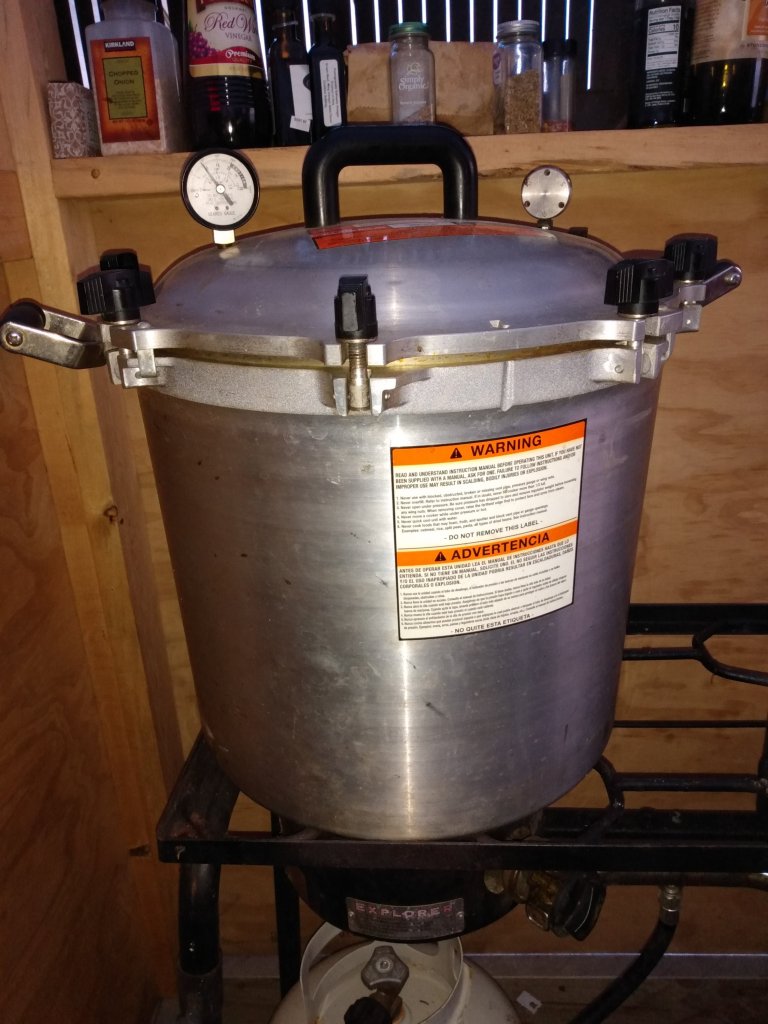
Running the canner at midnight
I’m so very thank for this big ole canner. It’s been very helpful!! I can preserve a lot of food fairly fast. I also prefer it to the lighter weight aluminum canners.
Food self sufficiency is something any good Alaskan Sourdough knows a good deal about. And you use what you have to make your garden work. We’re not buying a bunch of fancy stuff, just making do with what’s around the place.
My first summer in our home (2015) I had high hopes for a bountiful harvest from my new (to me) garden plot. We even constructed a small greenhouse to help extend our season a little bit. I planted all sorts of things like potatoes, tomatoes, okra, herbs and squash. I was so excited! I mean, what could go wrong, I’ve been gardening most of my life and usually pretty successfully at that. Well, Alaska throws a mean curve ball.
Besides planting most all the wrong things, I had no concept of Alaska’s surprise hard frosts nor her relentless sun beating down day in and night too. And exactly how much water one needs to apply to soil that really never gets enough of the stuff. Neither did I appreciate how fast grass and weeds grow here.
To say that my first Alaskan garden was an epic failure is an understatement. It was so devastating, all that work, time and $$ down the drain, that I haven’t really gardened since, with the exception of a container here and there and cold hardy flowers. (I mean petunias.)
This year we’re giving it a full-on go again. Mostly because my oldest daughter wants to do it. It’s her project and I’m offering a little support along the way. At least she’s starting off with a little more experience in Alaskan summer weather cycle and what’s really best to plant here. And no, there’s no plan to grow okra.
She’s started out with measuring the garden fence to get an idea of how much electric fence we need plus square footage to plan out her scheme. She’s plotted 5 raised beds, hugelkulture style, and a variety of tire towers and containers around the perimeter. Plus an update to the greenhouse which needs a new skin.
Her planned crops include potatoes, sweet potatoes, onions, garlic, squash, broccoli, cauliflower, herbs, peas, radishes, blueberries, rhubarb, strawberries, raspberries and flowers, some edible.
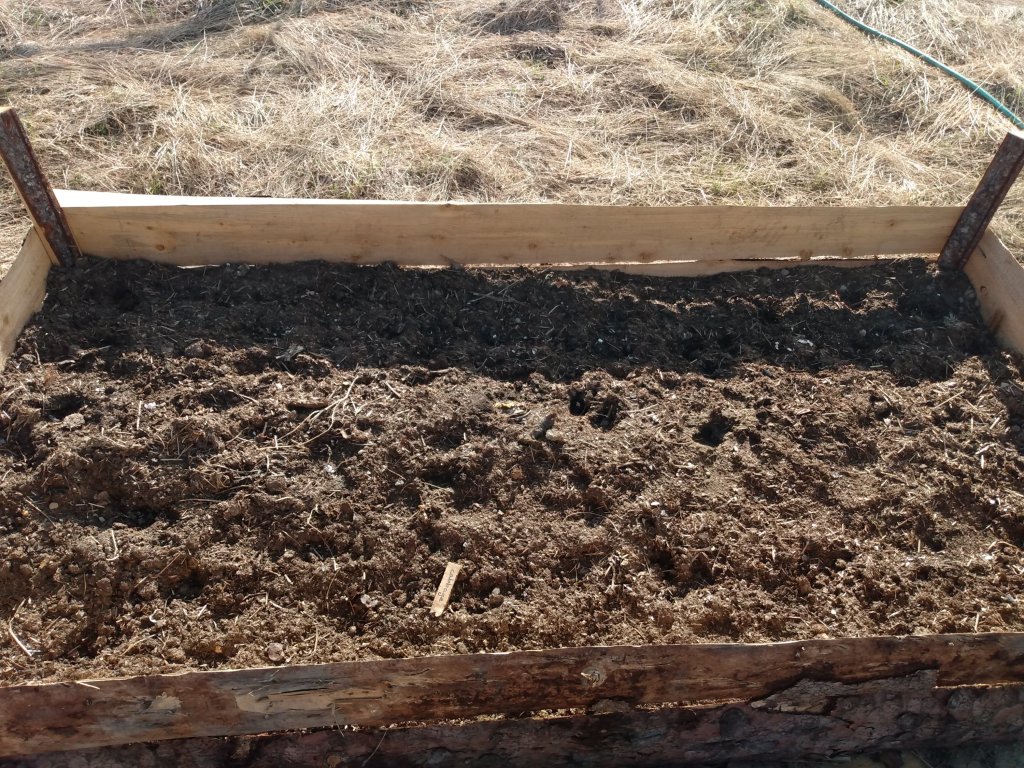
Kids building raised bed #1. Cardboard over existing grass, sawmill slab raised beds, filled with topsoil mixed with manure & sawdust on top of a central pile of wood scrap, limbs and leaves. To be topped with compost.
There’s the existing compost pile (that Thing 2 made years prior for a science project) that she’s expanding to double the capacity. Plus she’s already made her strawberry bed with tires and shared plants from Nancy, our neighbor up the road. Nancy is the sweetest. She’s taken the girls under her gardener’s wing and been bringing them plants and sharing information (and ice cream too apparently) with them. This relationship I approve of, not sure about the ice cream tho. Lol
With each passing weekend we try and do a little more work on the garden prep. We are still frosting at night here in our little low spot at the bottom of the hill. So waiting to go to the greenhouse to buy plants, but soon we’ll take out a small loan to make the trip.
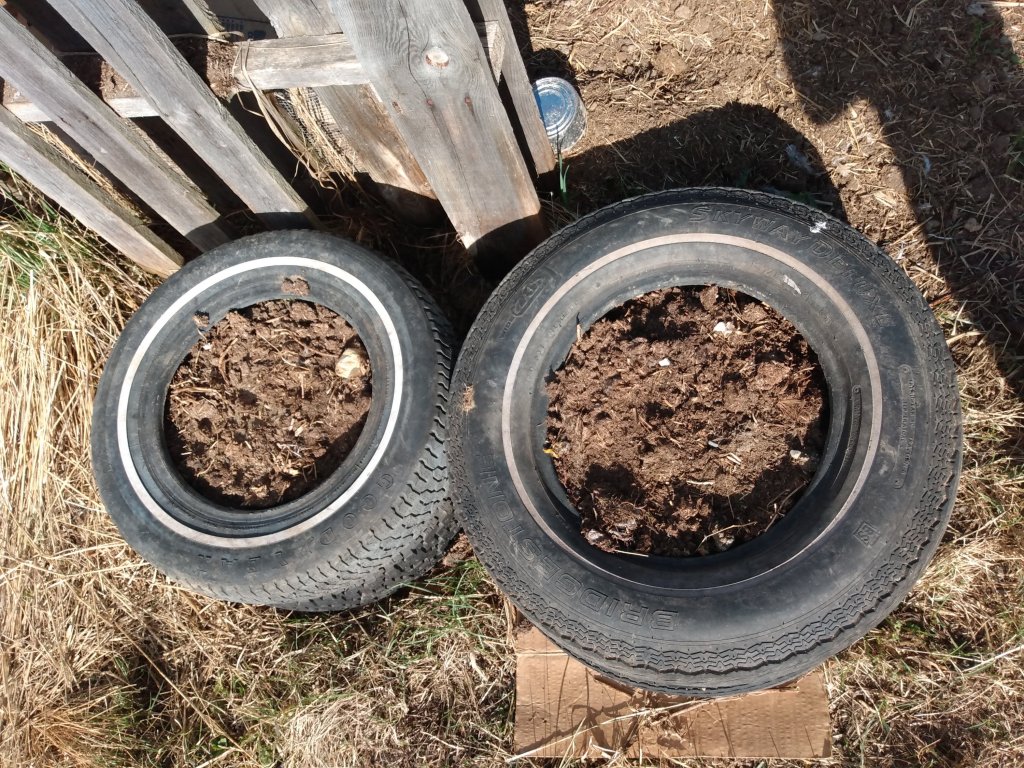
Potato tires next to the compost bin. These are golden fingerlings.The first bed with soil added Strawberry tires.
I’m very excited for Thing 1 and her goals of gardening and am trying to support her as much as possible but she really is doing most of the work so far. Plus she is carrying on the garden tradition of her Papa Alaska. Who certainly had it figured out with his two massive green thumbs.
We’re doing what we can to produce food for ourselves, in that old sourdough spirit.
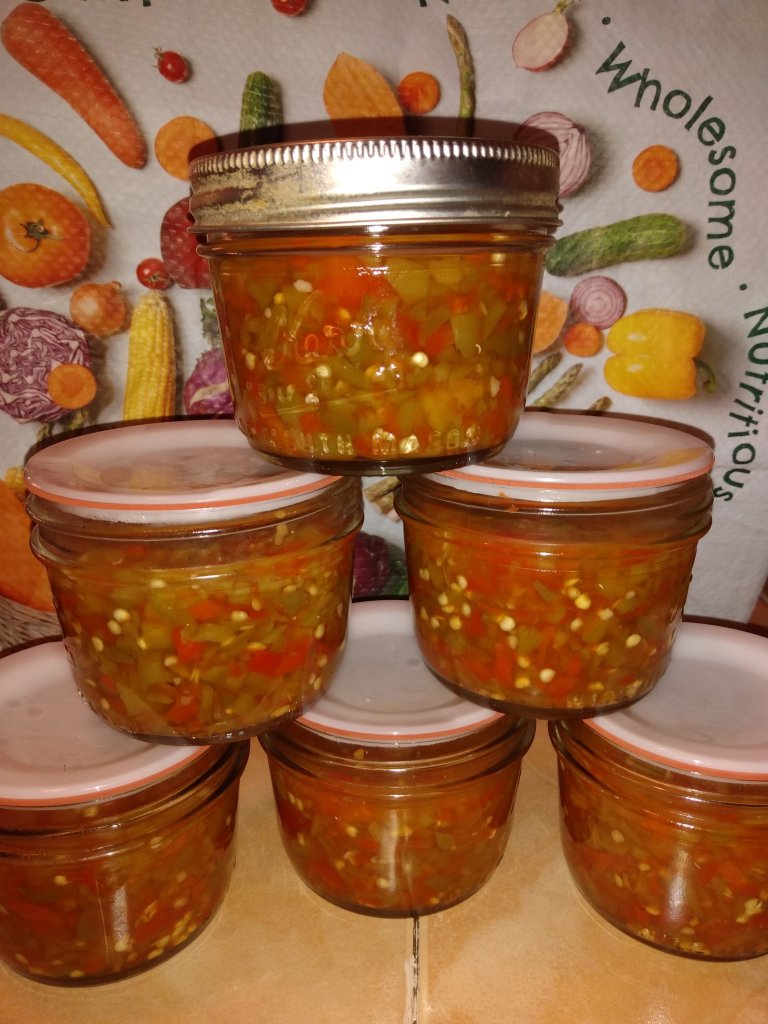
I hit the jackpot with serranos and red bell peppers in the clearance section. $4 for enough peppers to can up some hot pepper relish.
Relish is a super easy undertaking and great for beginners. I used this recipe.
I chopped all my peppers in the food processor. Added minced garlic, vinegar and water and boiled for 5 mins.
I also tried out my new Tattler lids that I ordered last year. I thought this would be a good batch to test them out on.
I made a small batch of 6 half-pints plus enough left over to blend up into a hot sauce that I’ll just put in the fridge (without canning). Processed for 10 mins in boiling water bath. And voila~easy peasy & done!
Hot pepper relish.
One of my lids didn’t seal, I must have left it too loose. There’s a learning curve with these but I’ll get the hang of it.
With half of the family enjoying spicy foods, this will add some nice spice to the pantry.


 Alaska on my mind...