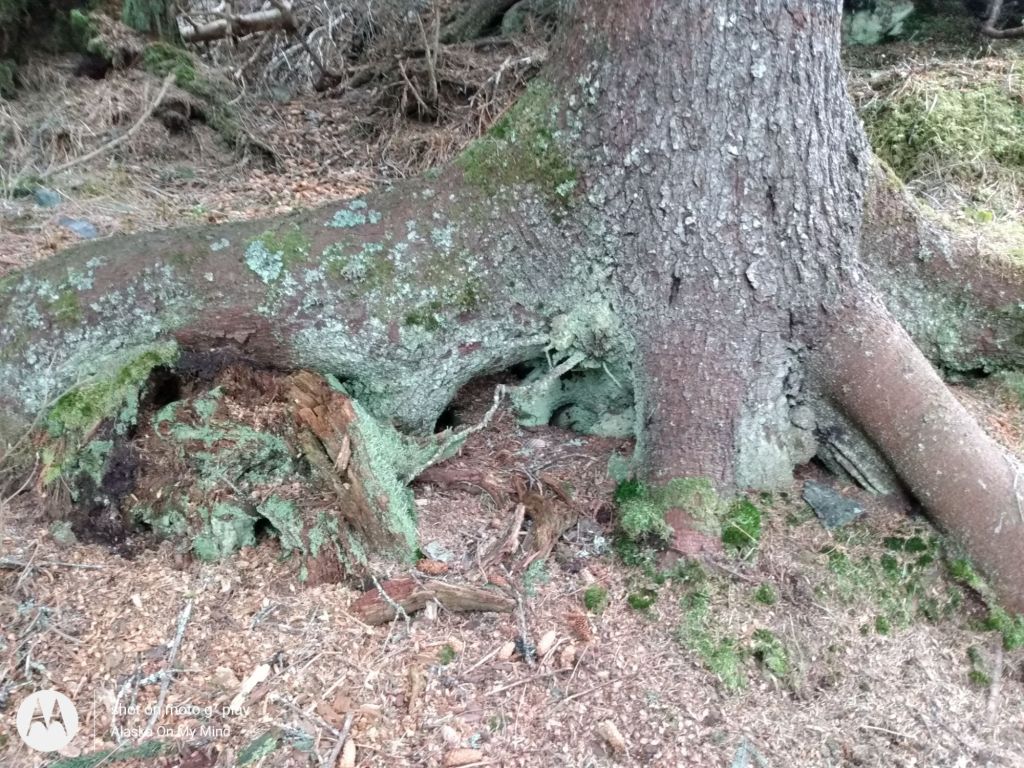
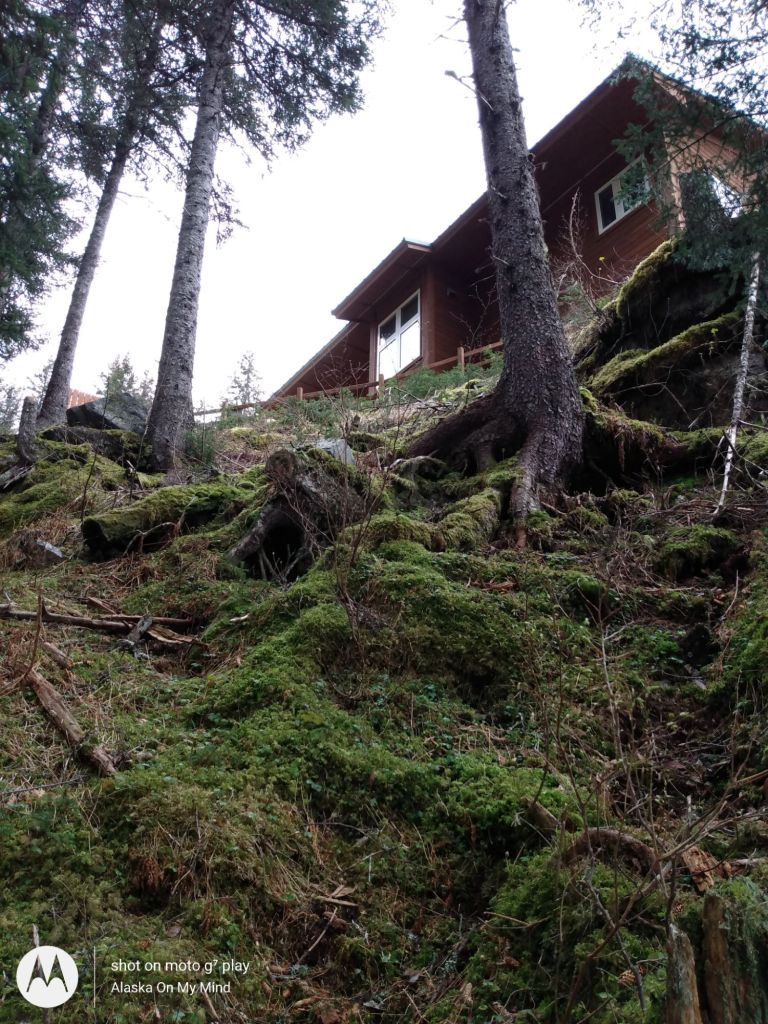
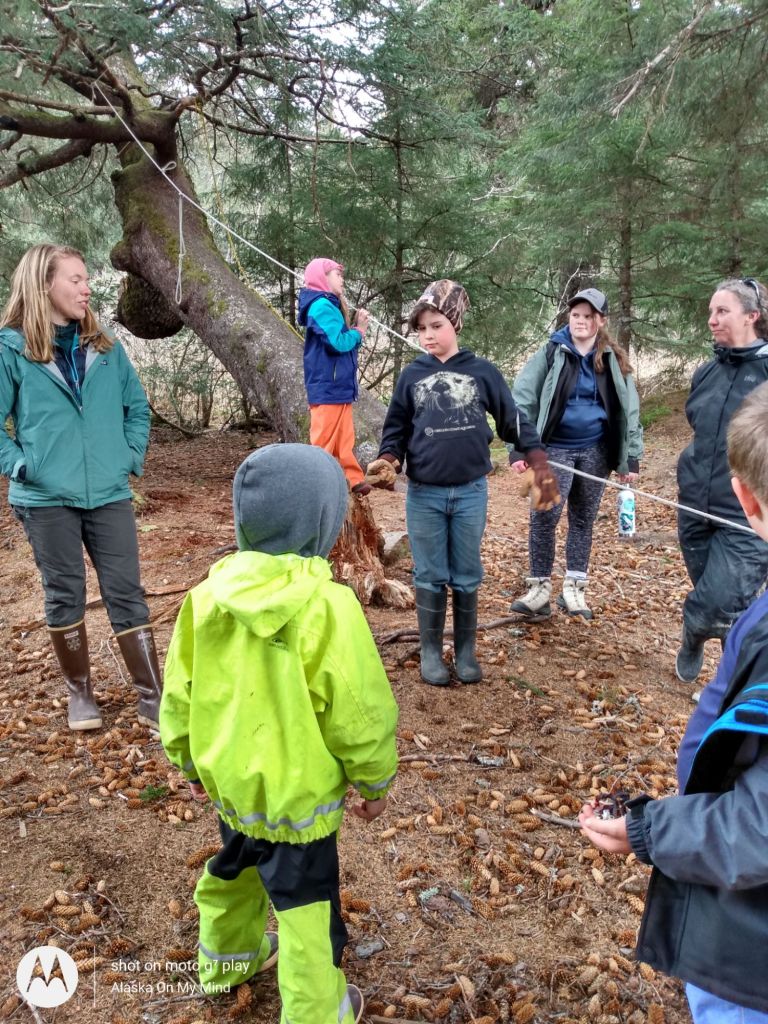
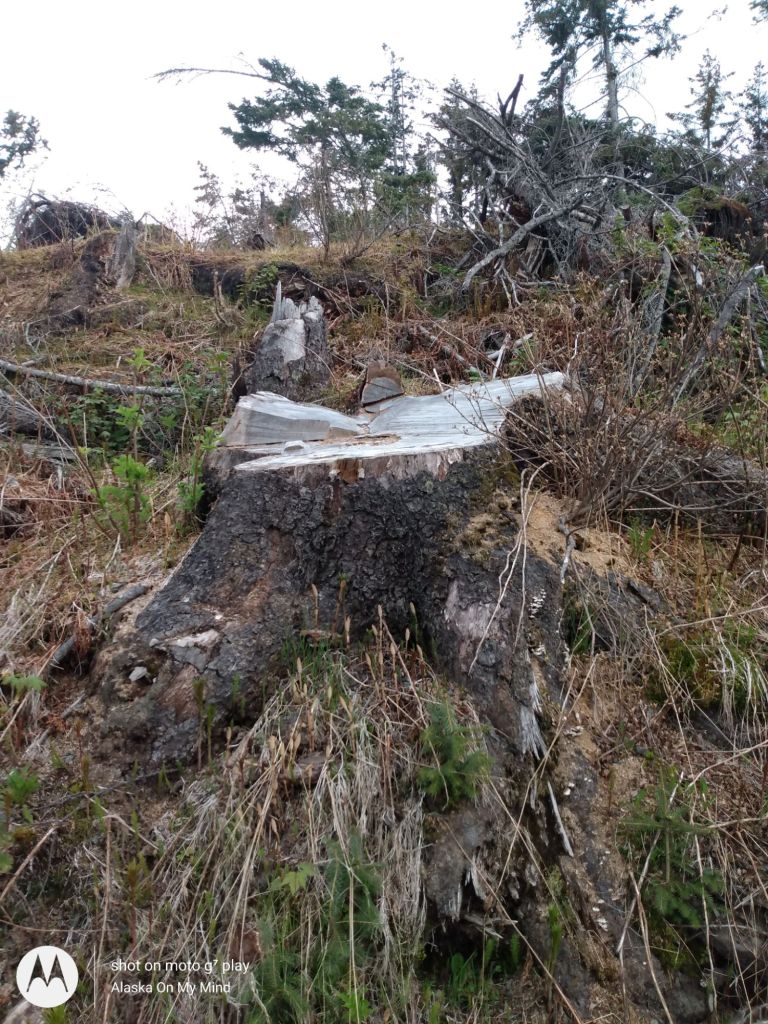
Tree roots.Looks like the perfect location for a little fairy village or a gnome home!Near Jackalof Bay.Tree creatures.Each one teach one session.Huge tree stump from selective logging.Forestry hike
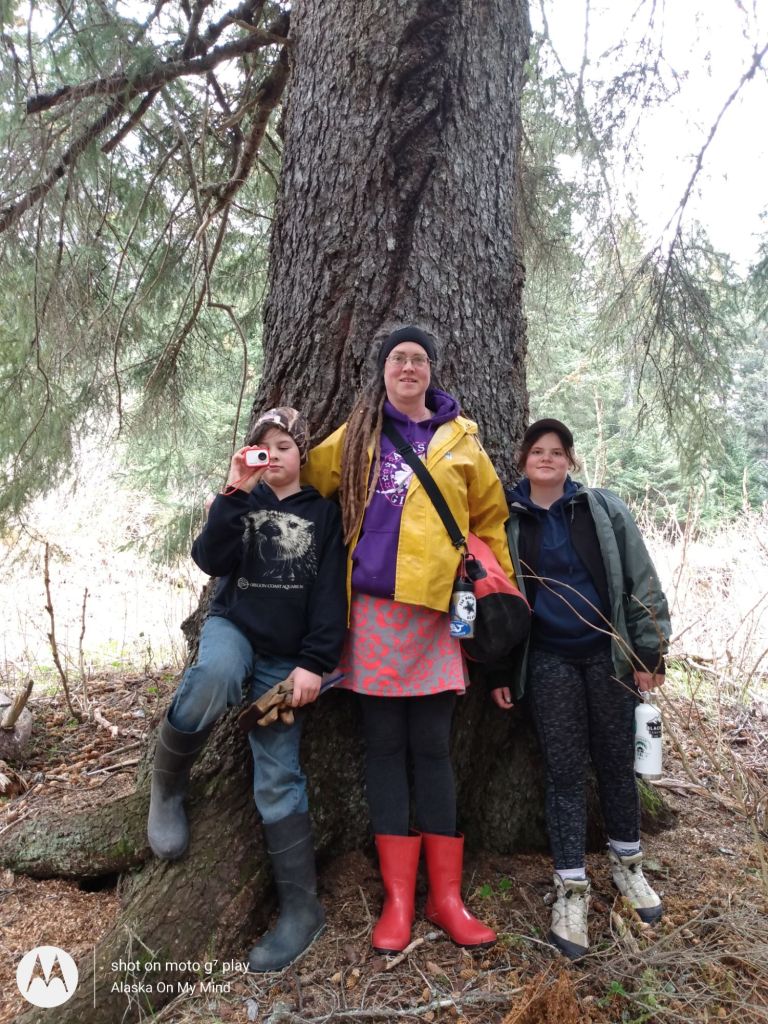
This was the first part of the journey, a little forest ecology field trip. We learned that there are naturally hybridized Sitka-White spruce trees here in this temperate rain forest. And they grow huge!
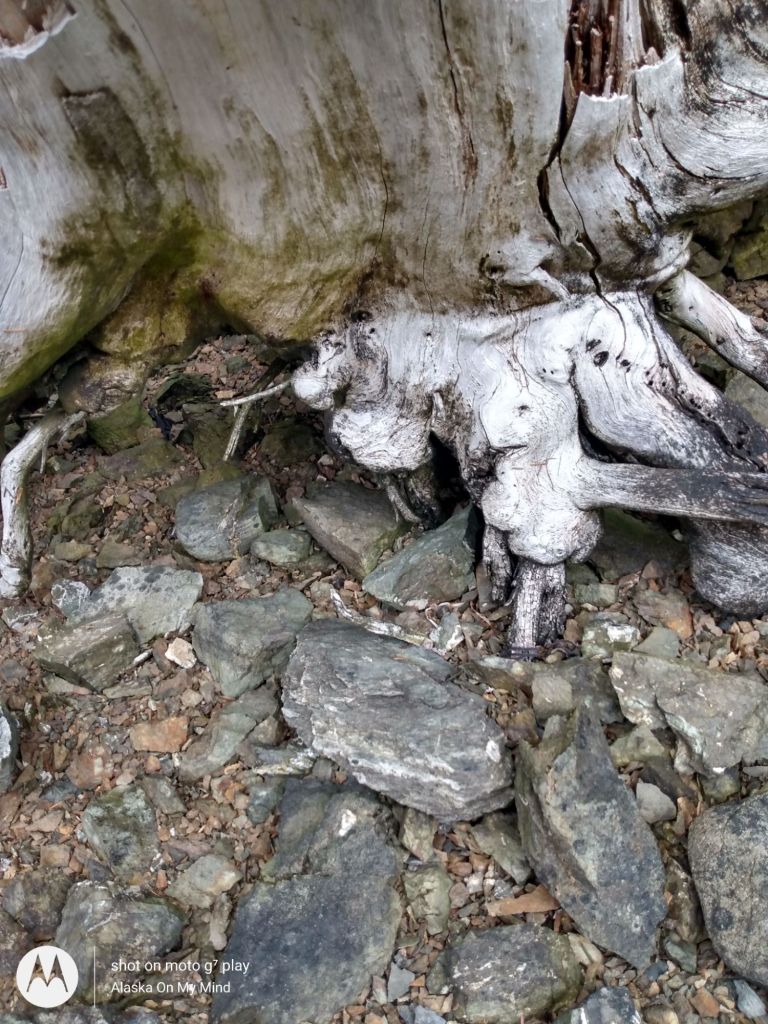
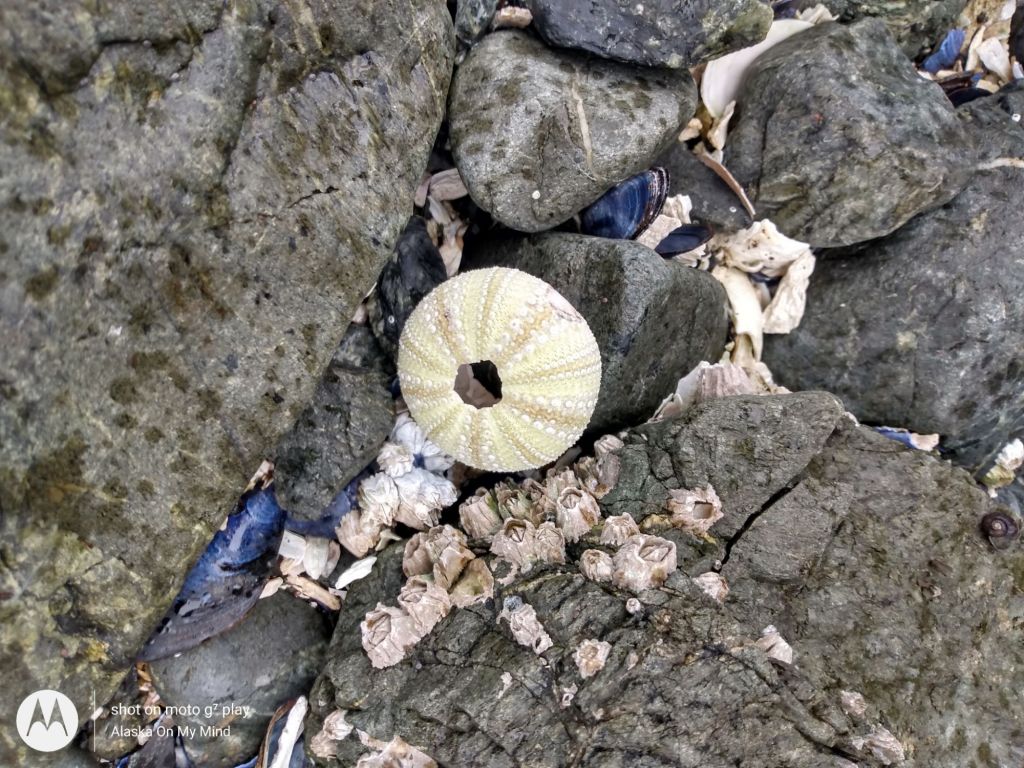
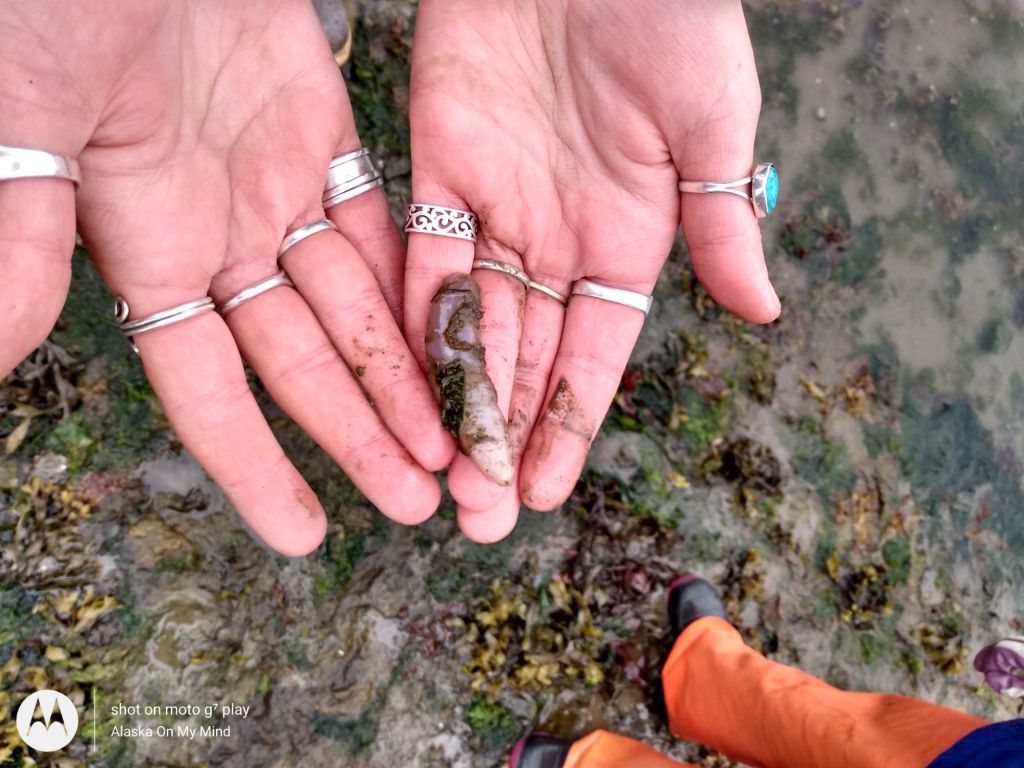
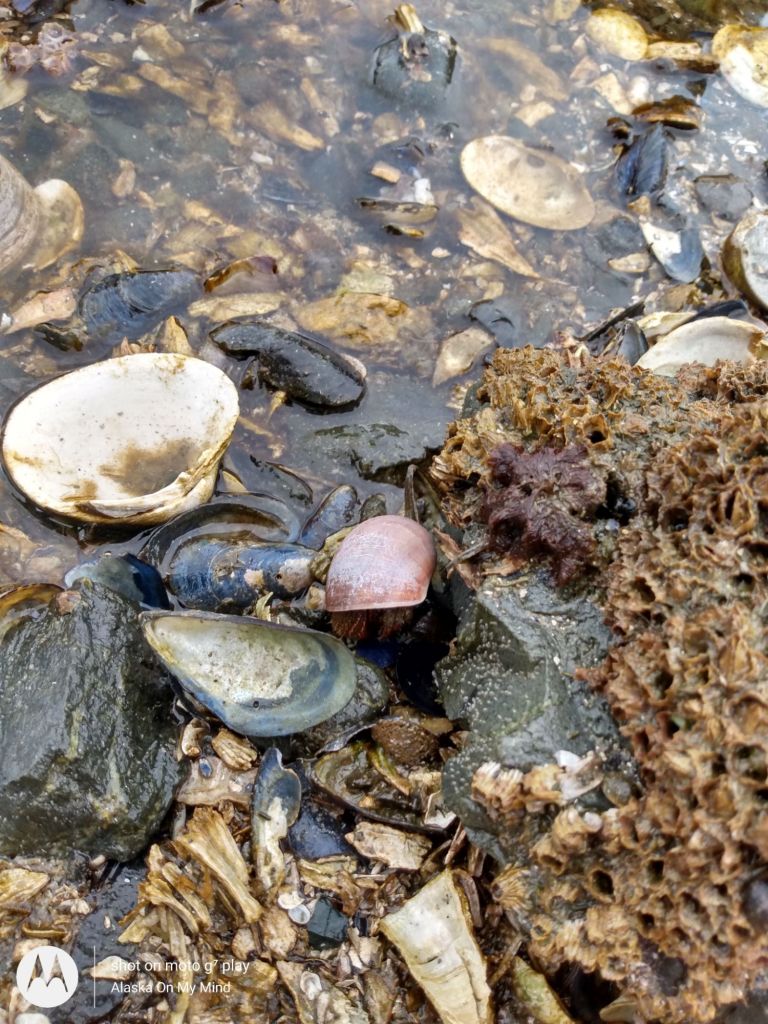
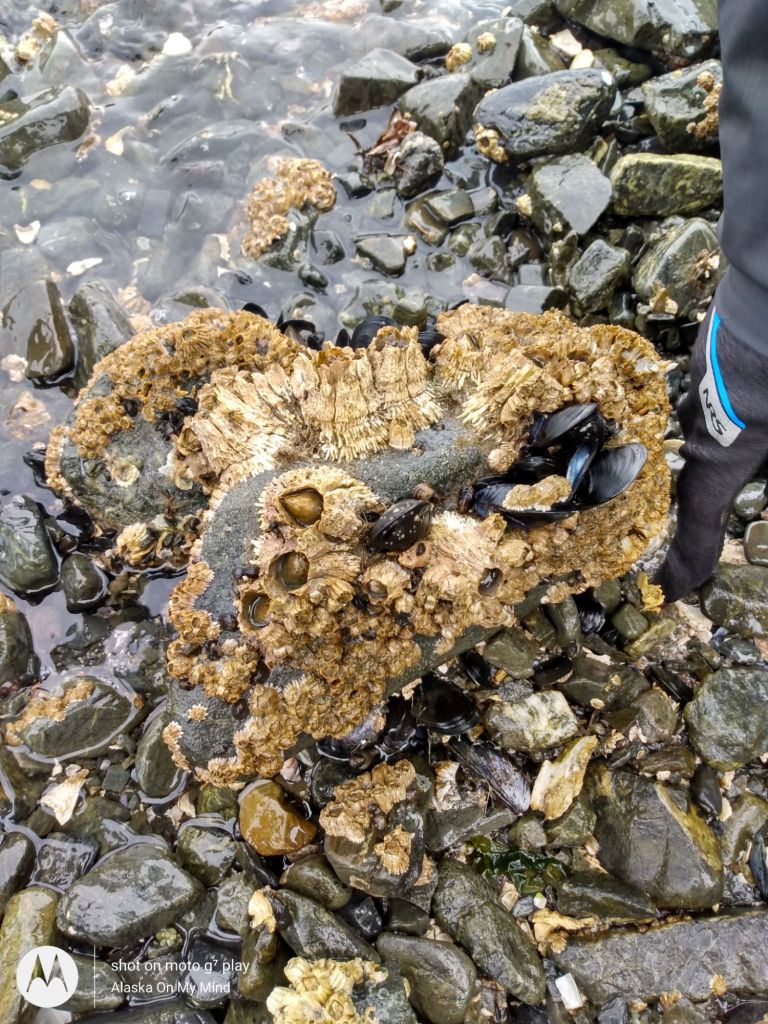
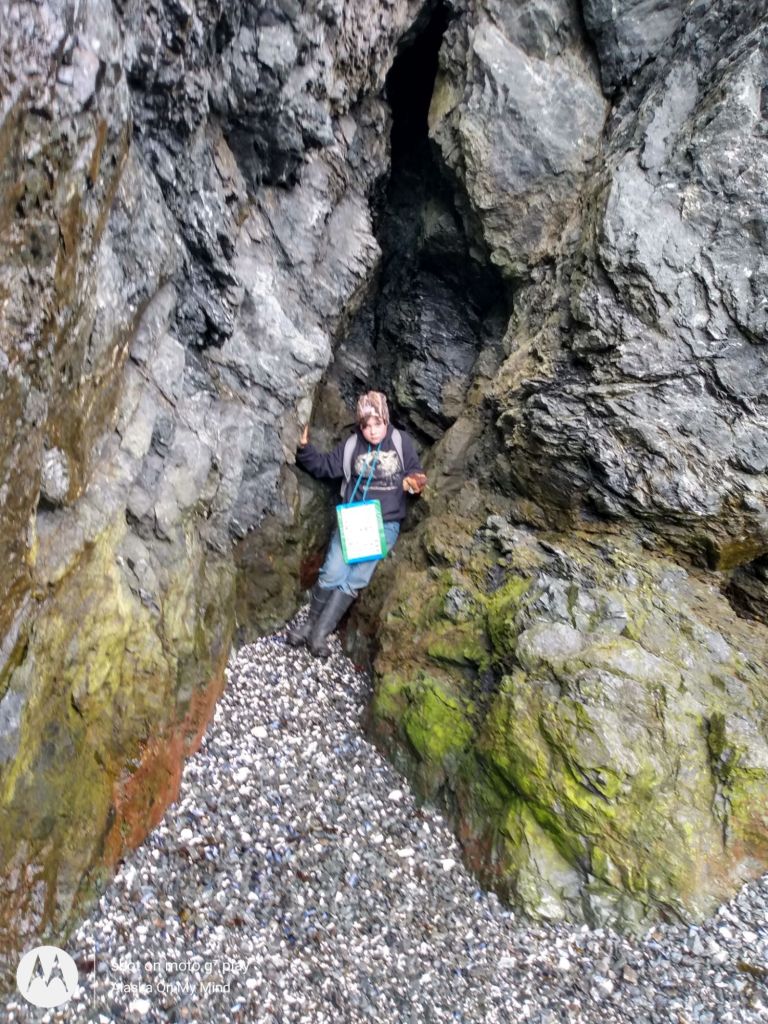
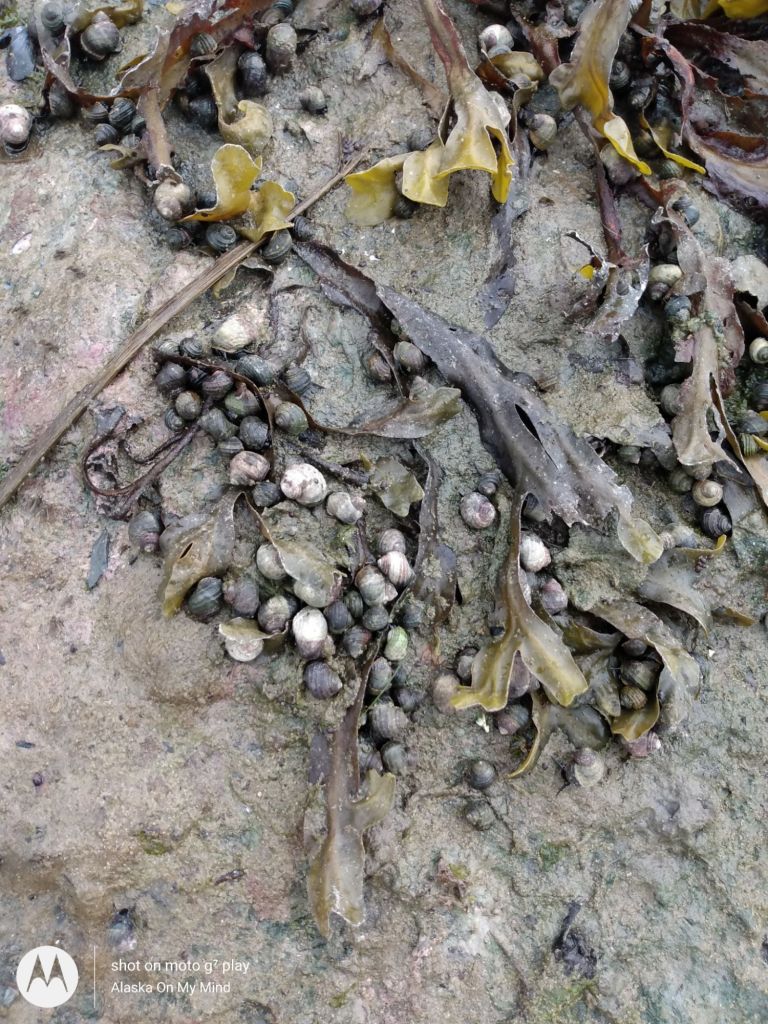
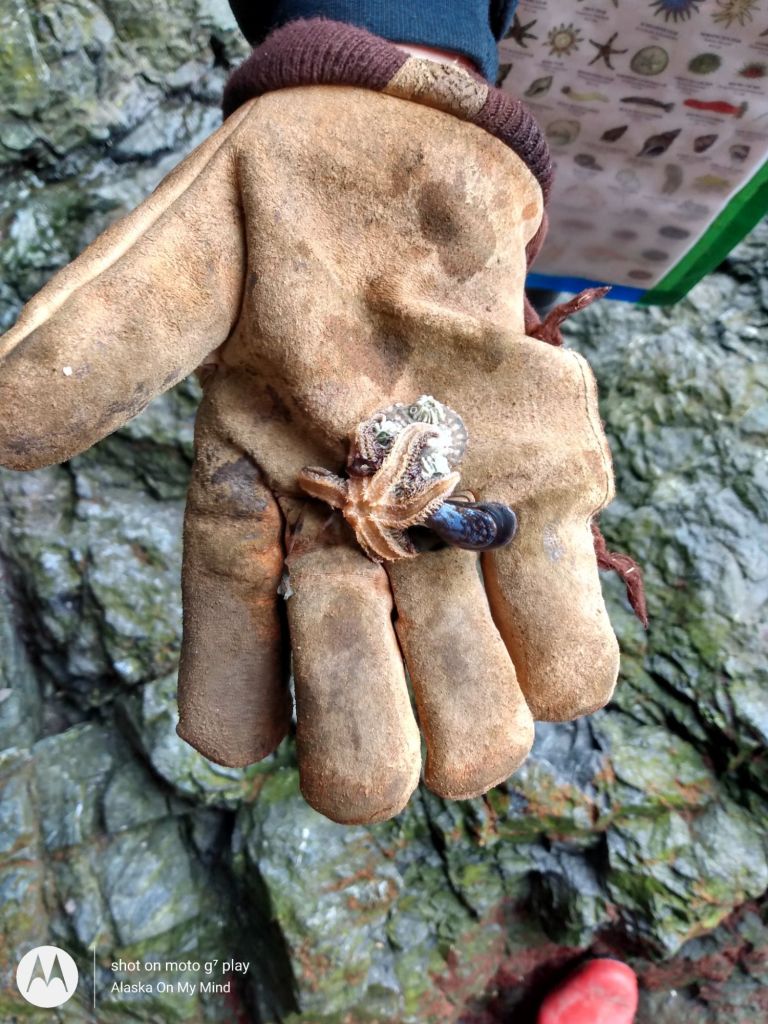
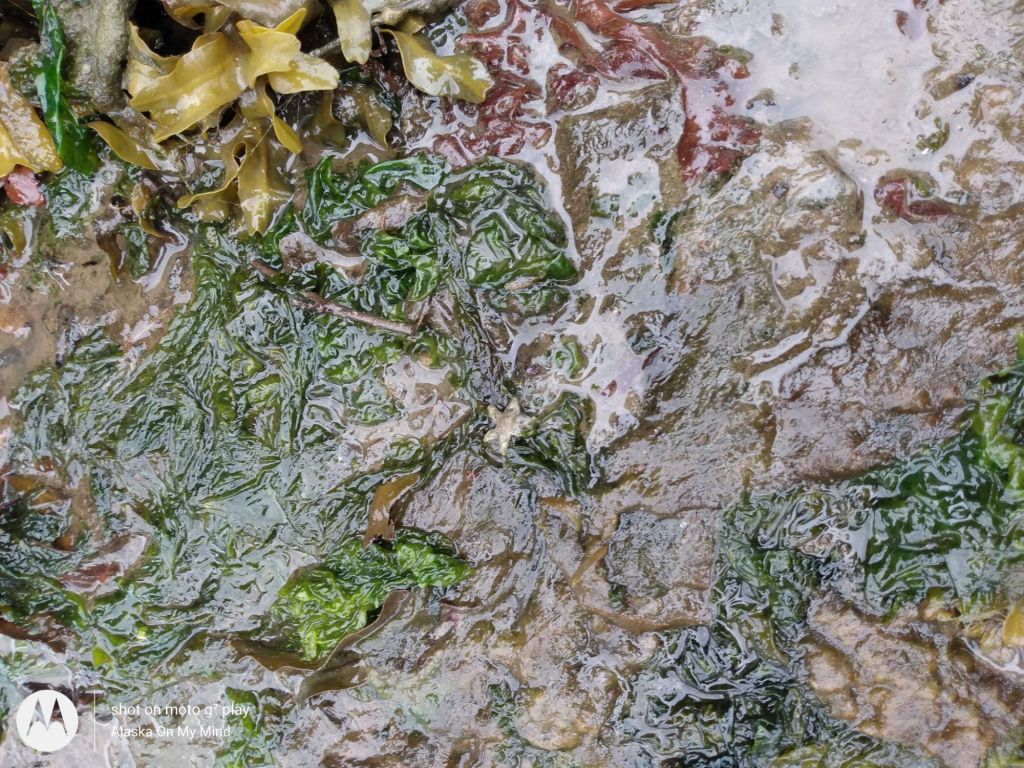
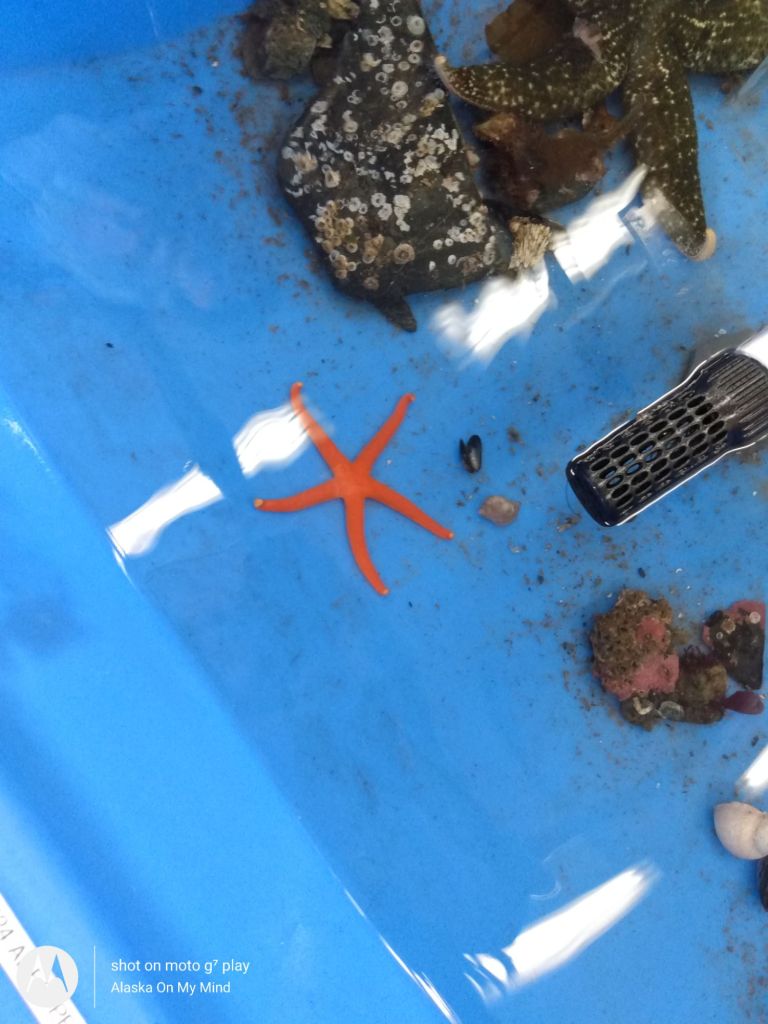
Tree roots bleached from the salt water.The remains of an urchin, the test.A sea cucumber me thinks.Hermie the Crab.So many barnacles.Lil Bit walking in the deposits of broken shells. ASMR esq.A boy in the cleft of the rock.So many sea snails. AK Boy found a skeleton of a sea star with muscles and barnacles attached There’s a tiny little sea star right in the center, on the kelp. Tide pooling adventures.
Afterwards it was back to the bunkhouse for some much needed rest. Walking miles in mud boots is not advisable. But we were ready for the next adventure come morning!
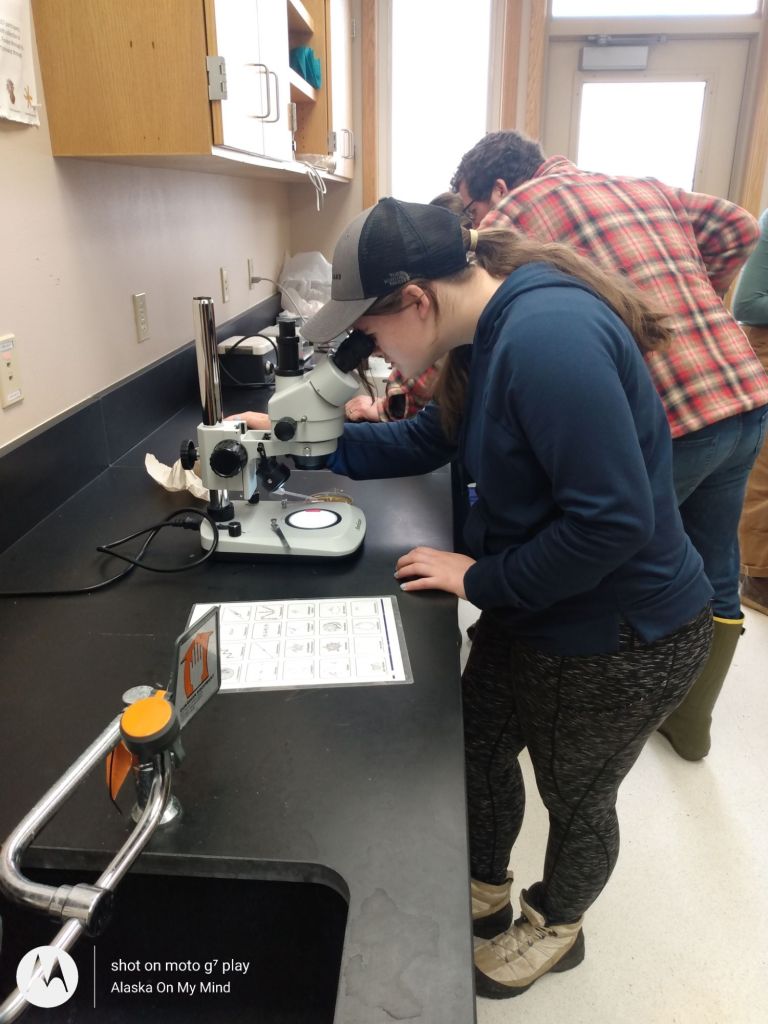
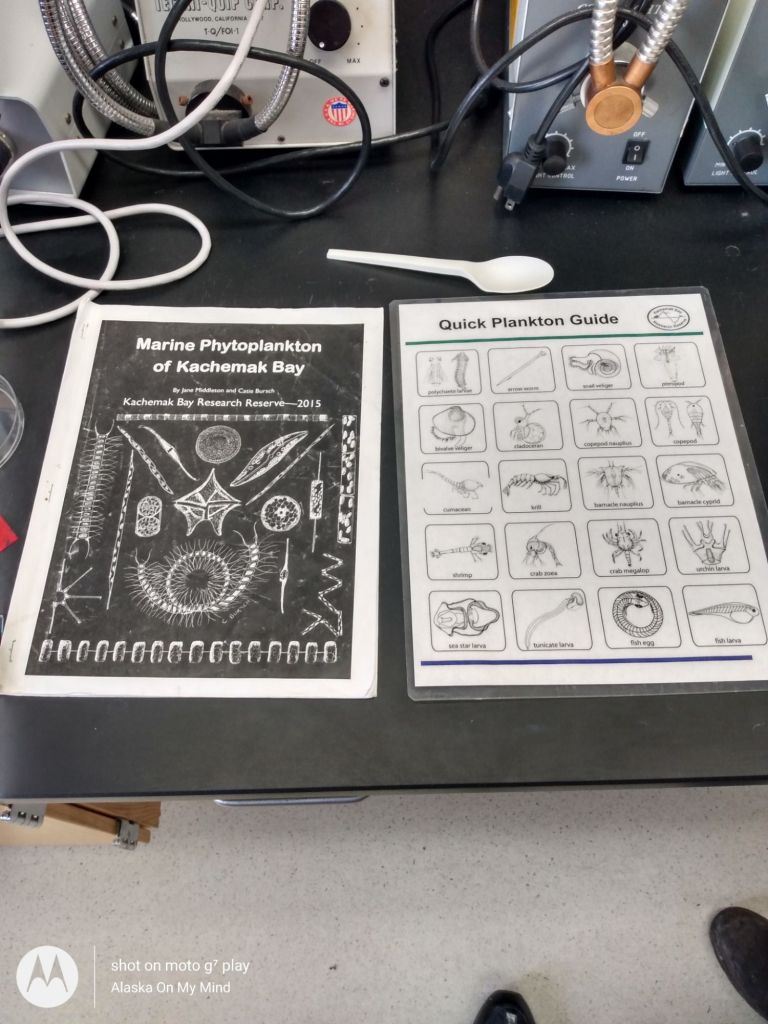
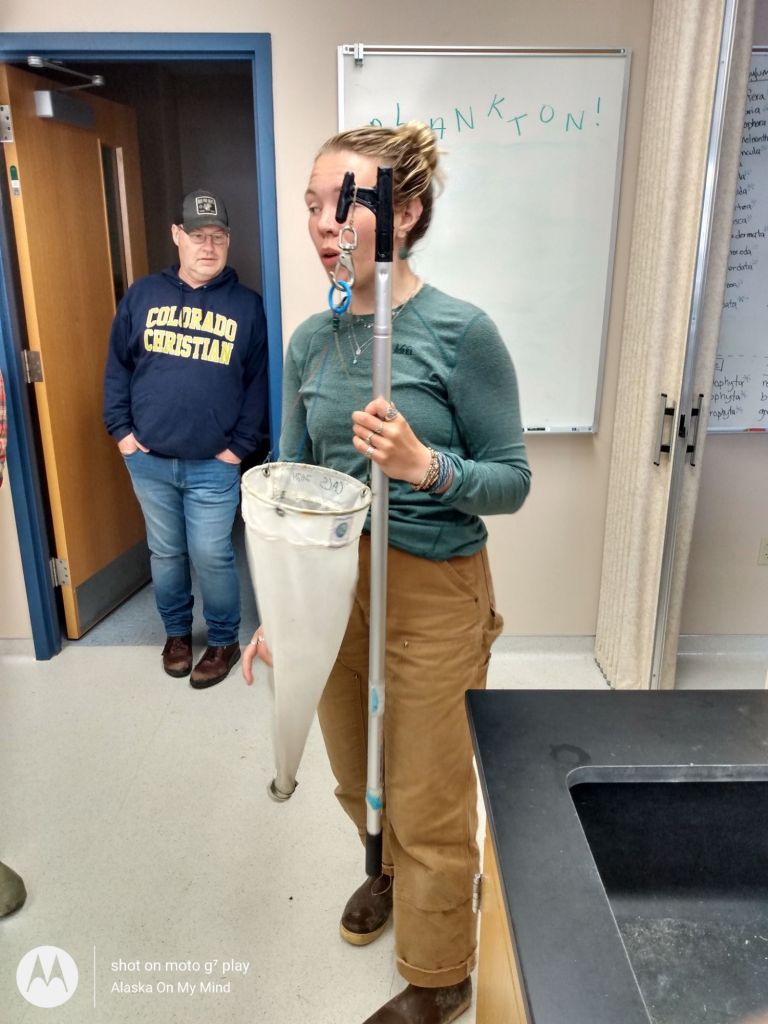
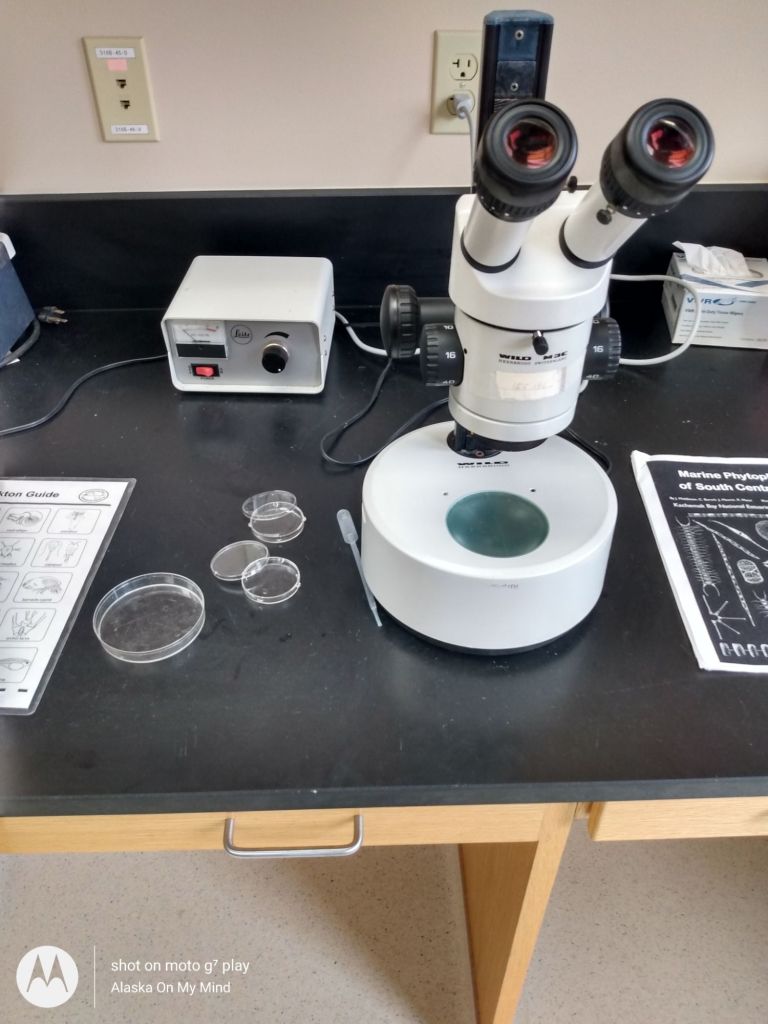
AK Boy at the microscope 🔬Lil Bit zooming in.What type of creatures we might see.Alexa explaining how the plankton samples are taken.Lab time!
Lab time was quite eye opening. 🫤🔬🤢 Remember that time at fish camp when pulling nets and a bunch of sea water splashed on your face and some got on your lips and you licked them… Yeah, you ate plankton.
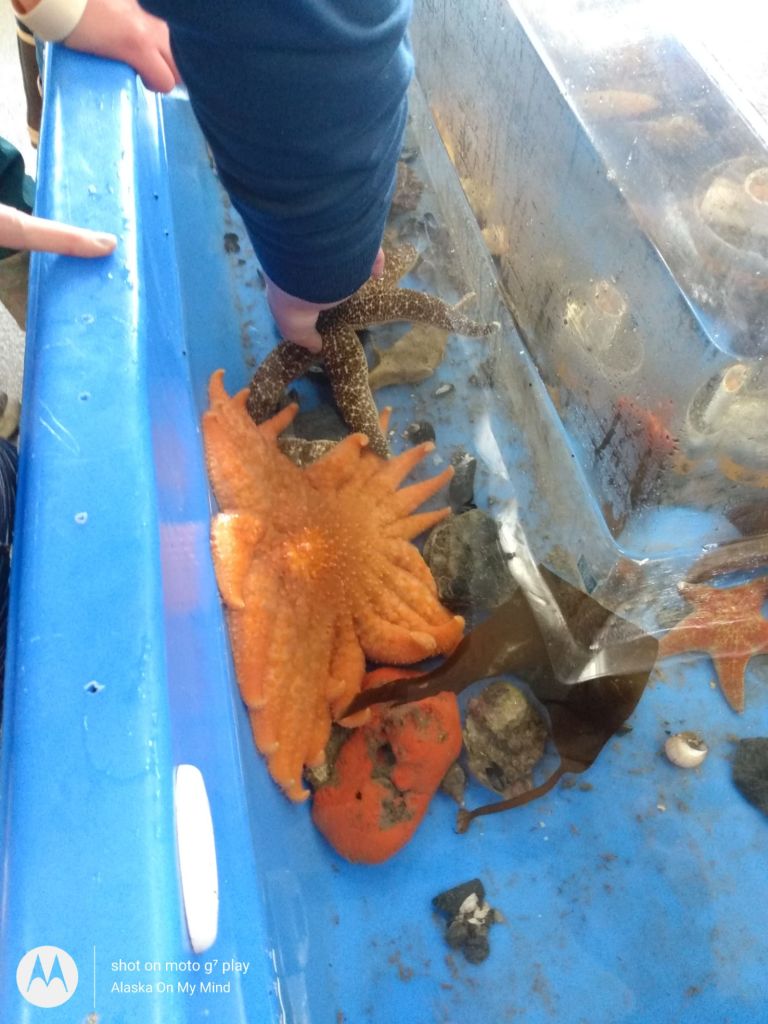
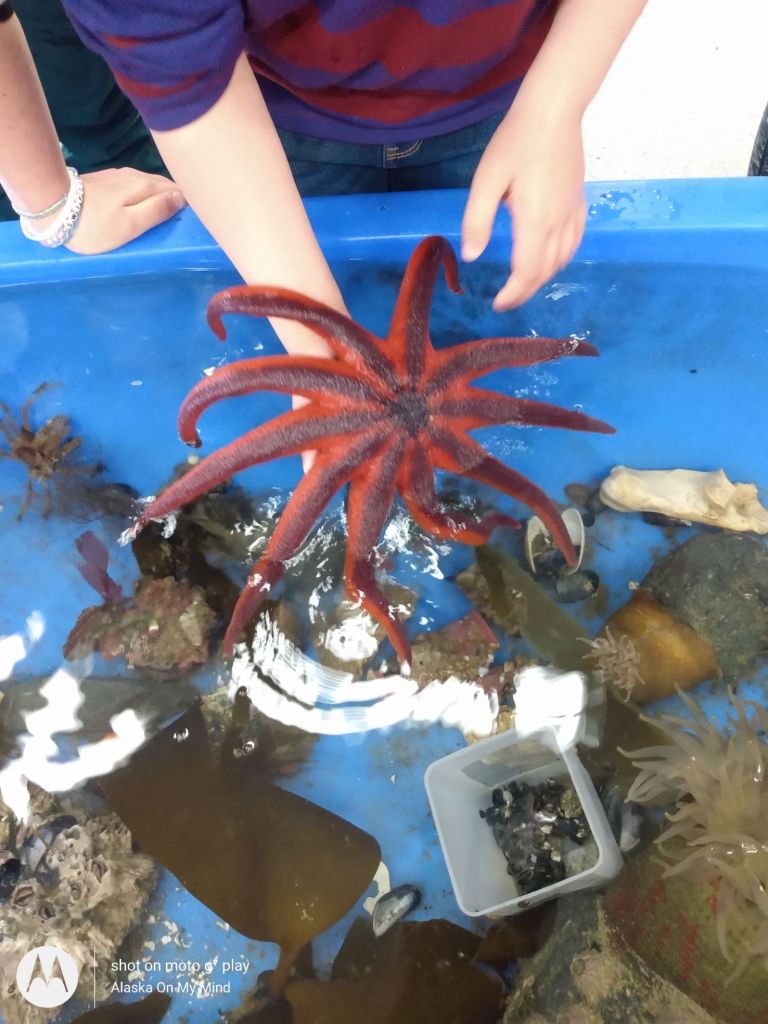
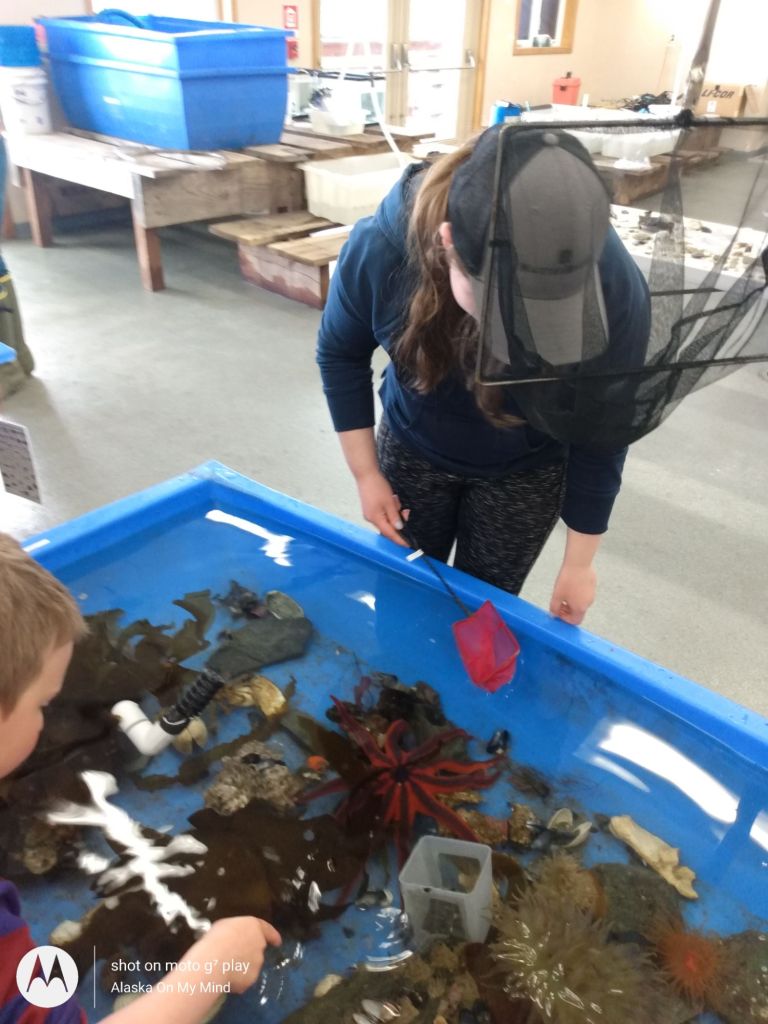
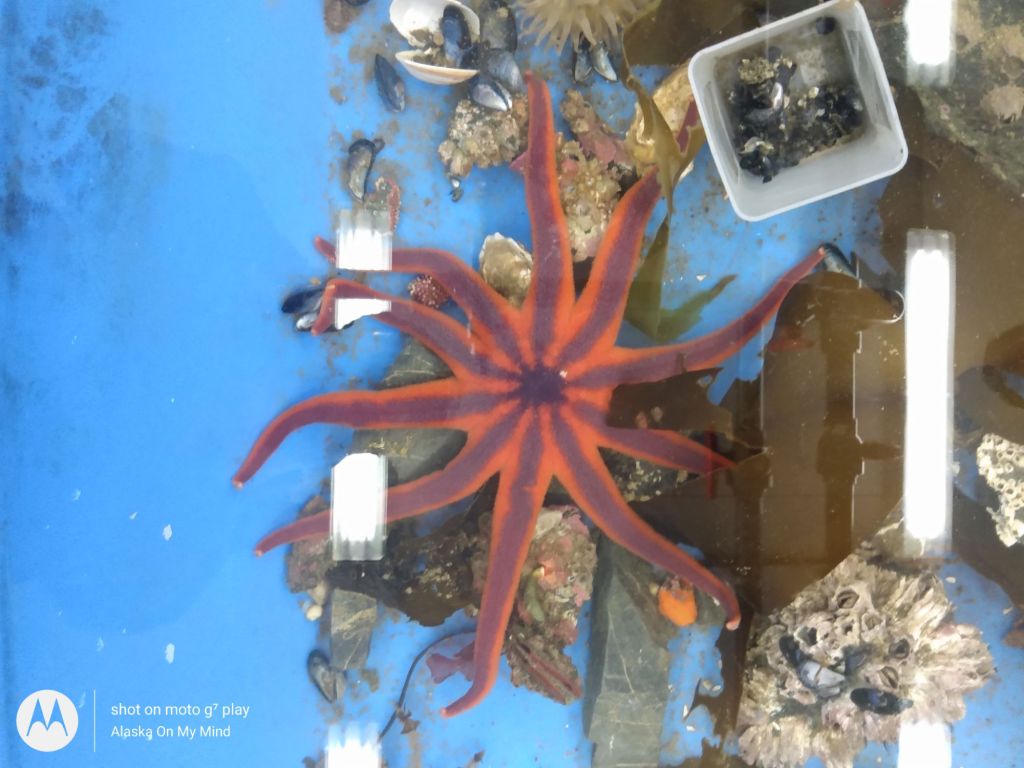
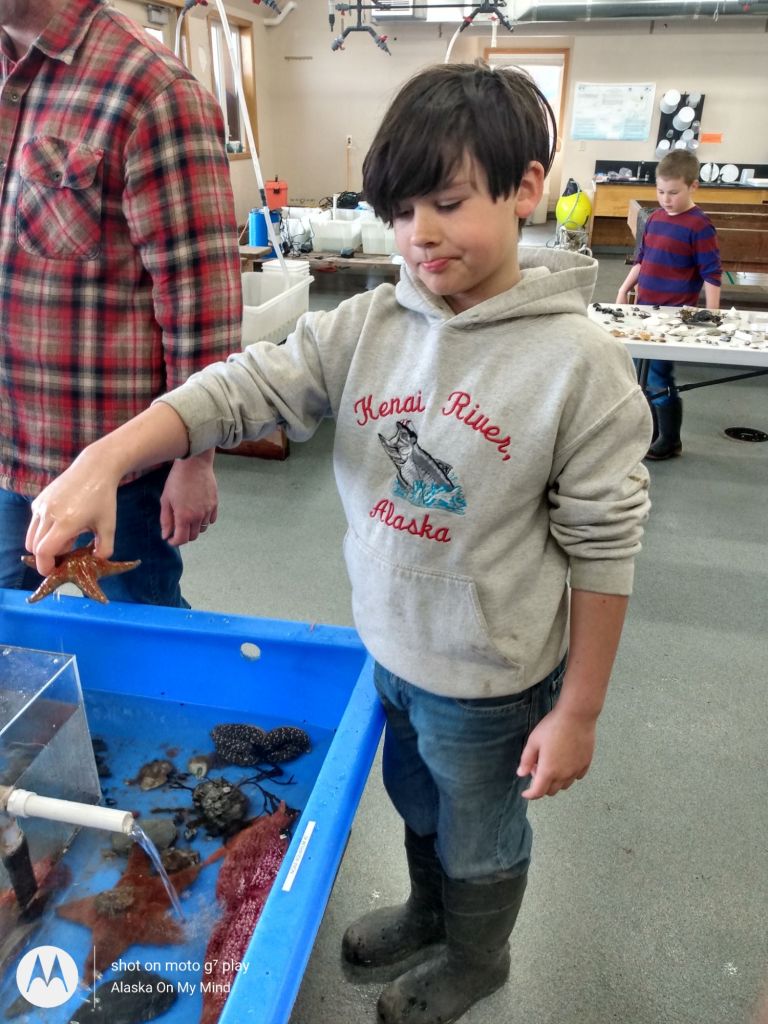
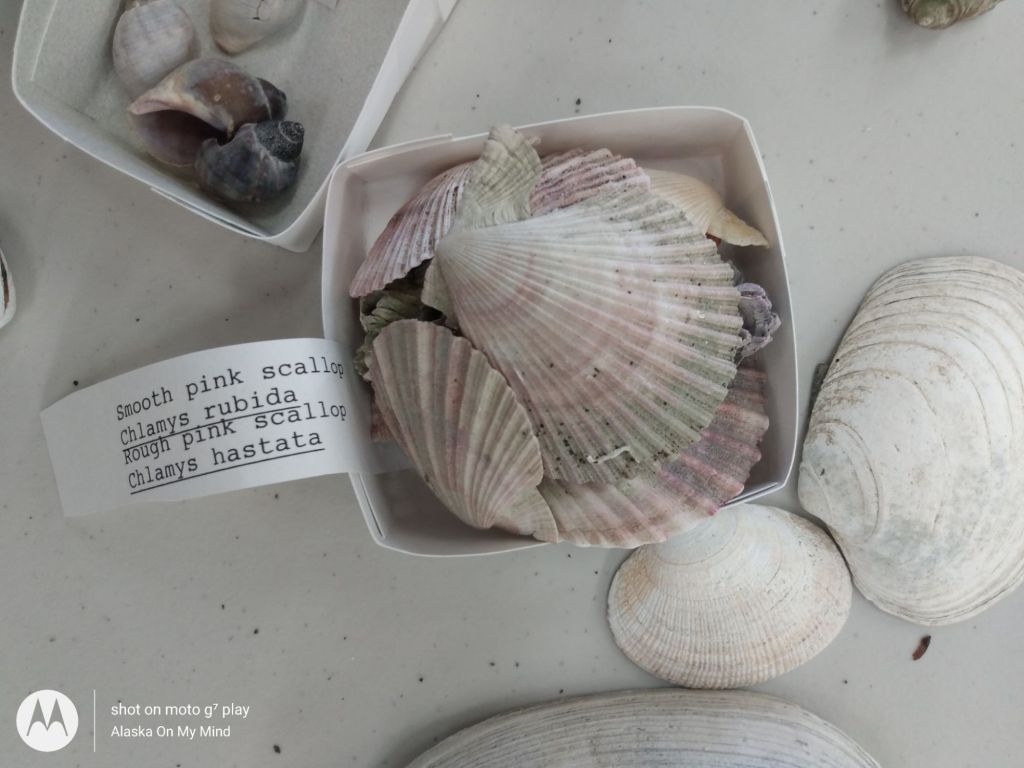
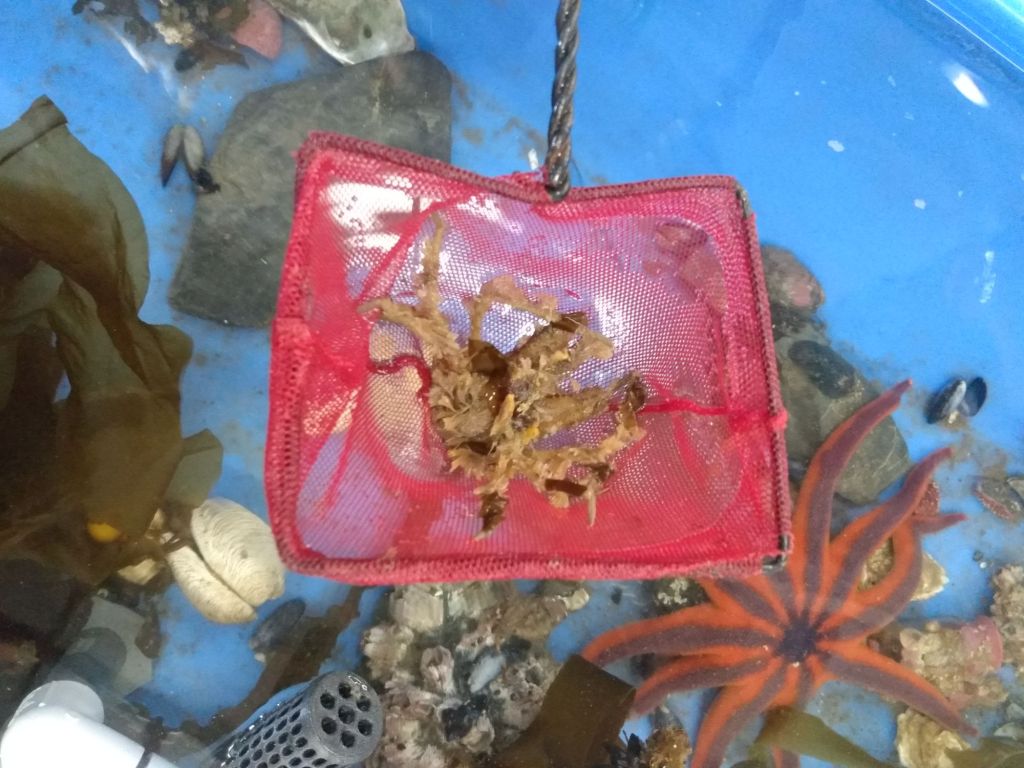
Big chunky sea star.Color stripes on this sea star.Lil Bit stuck to the net.This tank was full of sea stars that are in the stage 3 (super low) tides. Not usually seen but sometimes.He finally worked up the nerve to pick one up. The basic bish of sea stars. 🤩There was a large table of readily found beach combing treasures. Labeled neatly for identification purposes.A crusty crab! I think this one is a “decorator crab”.Touch Tank & interactive lab.
That’s it for our end-of-year field trip. Lots of learning and fun was
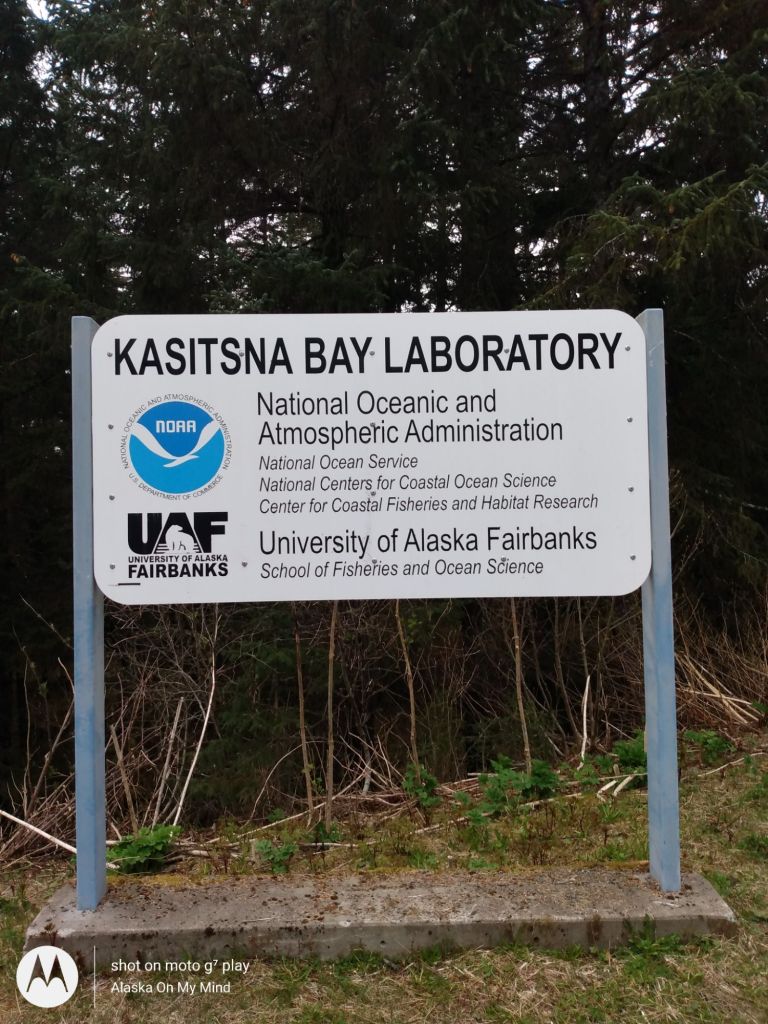
Ahoy mates! We’ve shoved off and we’re underway to the Kasitsna Bay Research Facility to explore our marine and forest ecology! This is an overnight trip across Kachemak Bay. Seas are mostly calm, overcast skies, it’s supposed to rain but so far it’s just cool and overcast.
Aboard the Discovery with Captain Victoria!
I’ll be sure to post more about our adventures when we return home! You can see our adventures here!
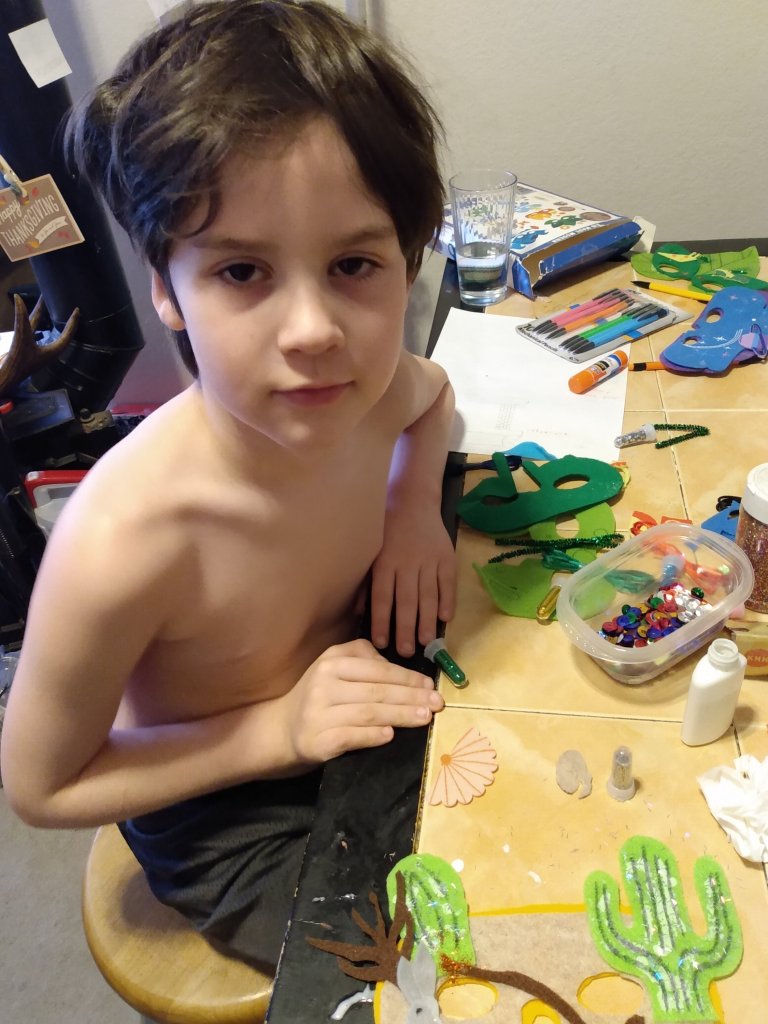
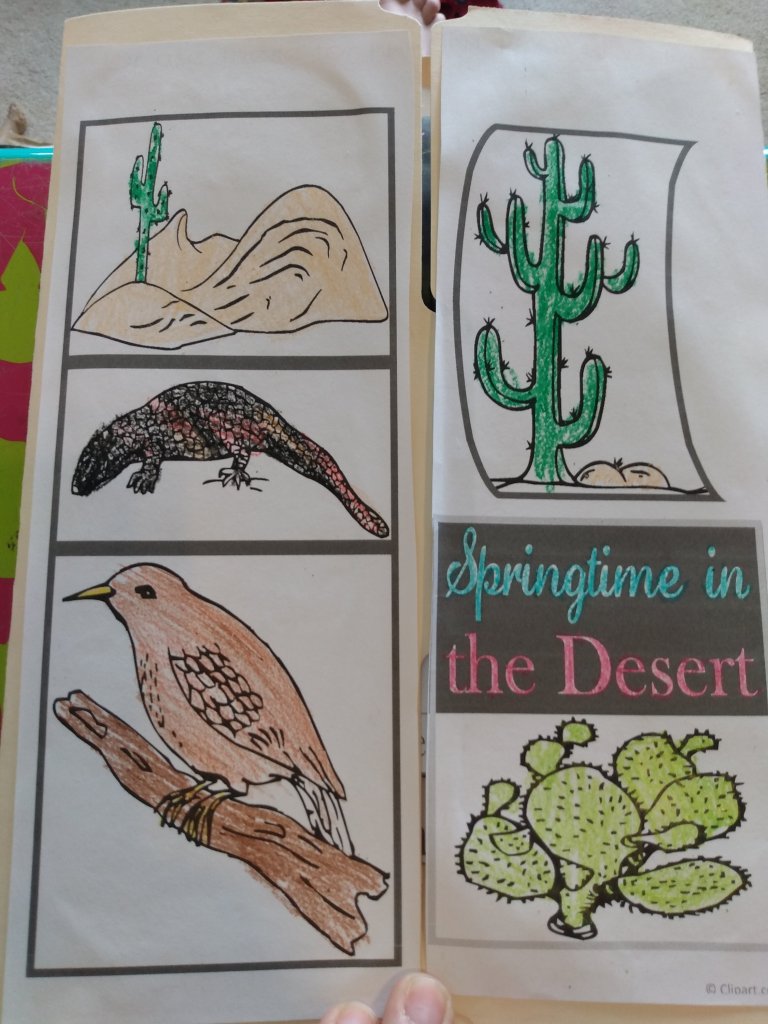
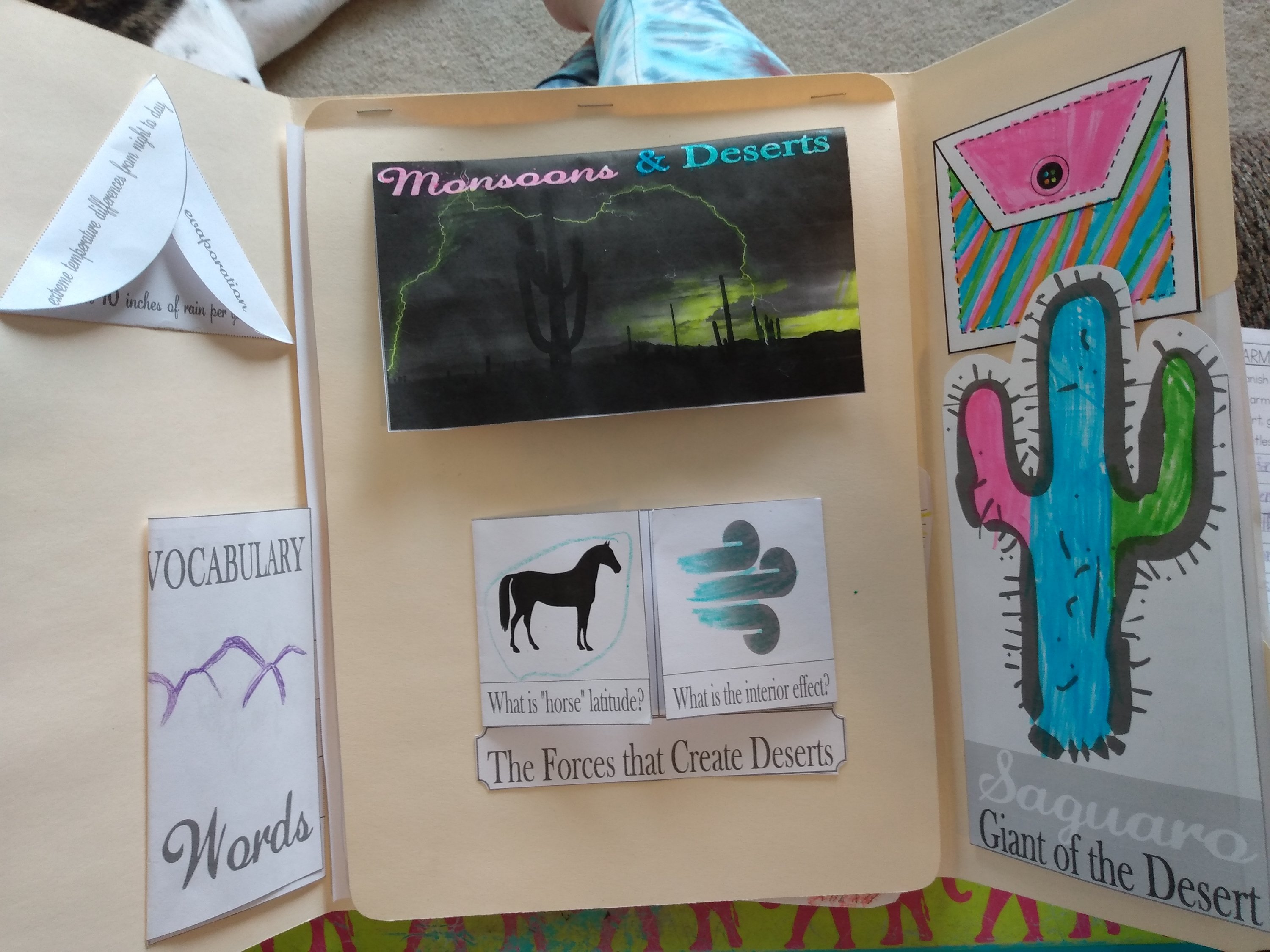
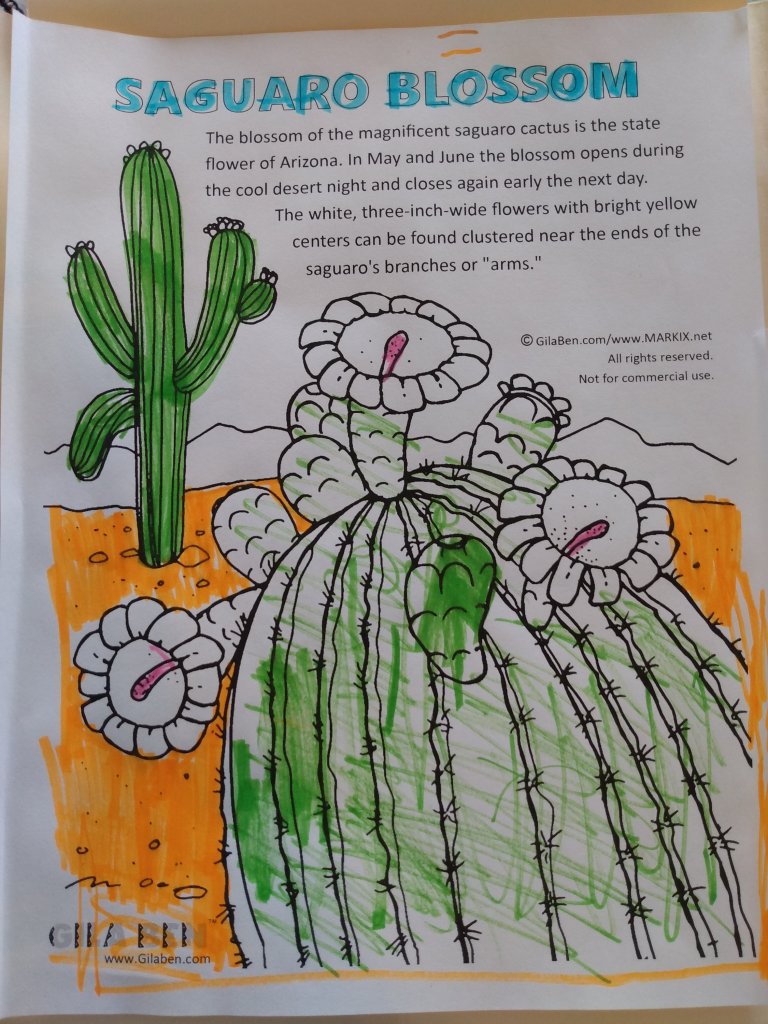
We started this lap book the first week in February. For this session we watched copious amounts of YouTube videos about desert biomes. Lesson enrichment included crafts like mask making and sand art. And we planned to prepare some prickly pear cactus to eat, if we could have found some locally. We incorporated lessons about sand and silica and glass as well. So this module was heavy on the crafting and very hands on.
Since my kiddos were sick during this beginning of this lesson plan, we relied more heavily on videos. Even when your sick you can still watch a video. 👍🏼
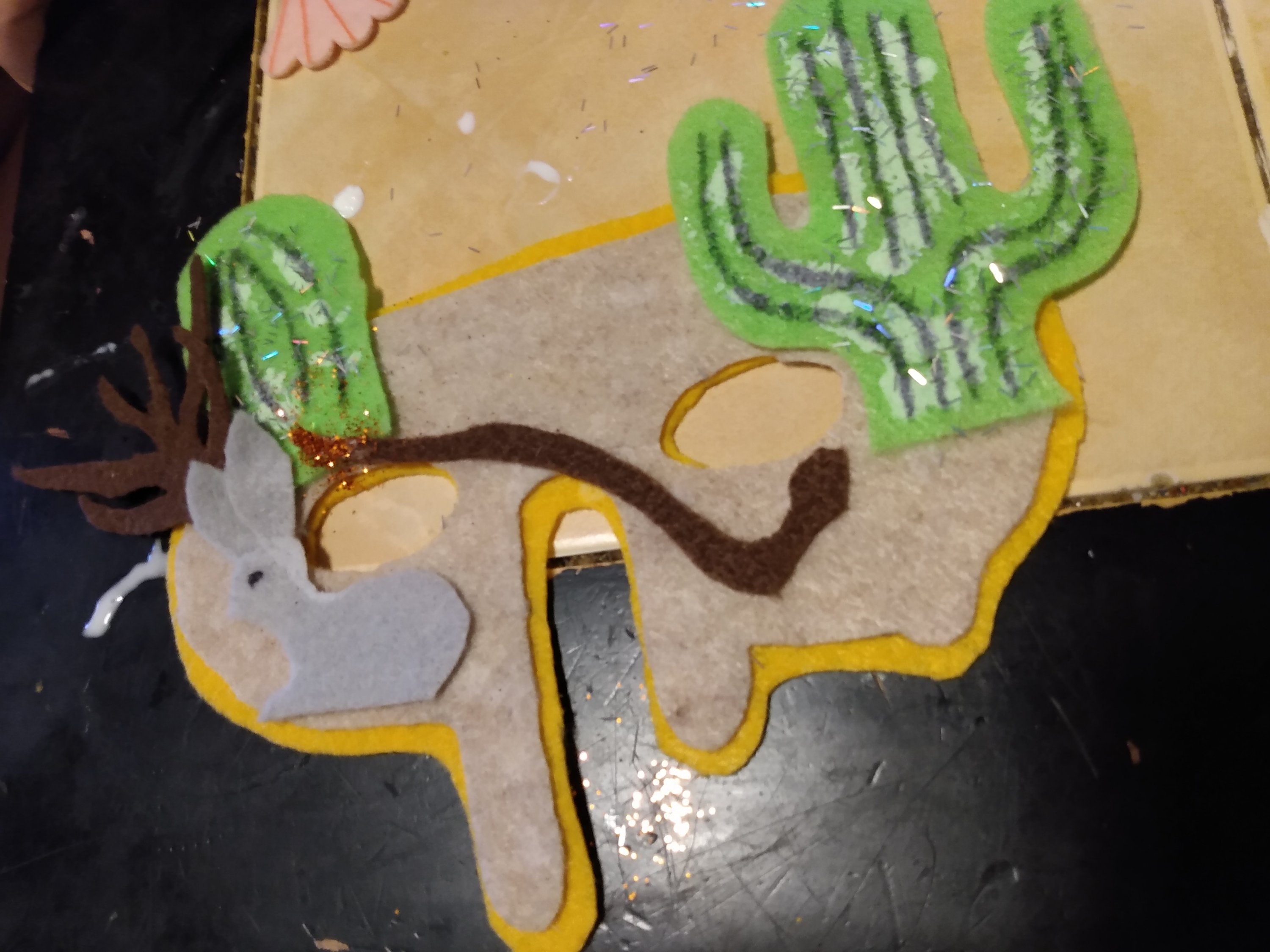
Desert mask complete with saguro and barrel cacti, a jack rabbit & rattlesnake.
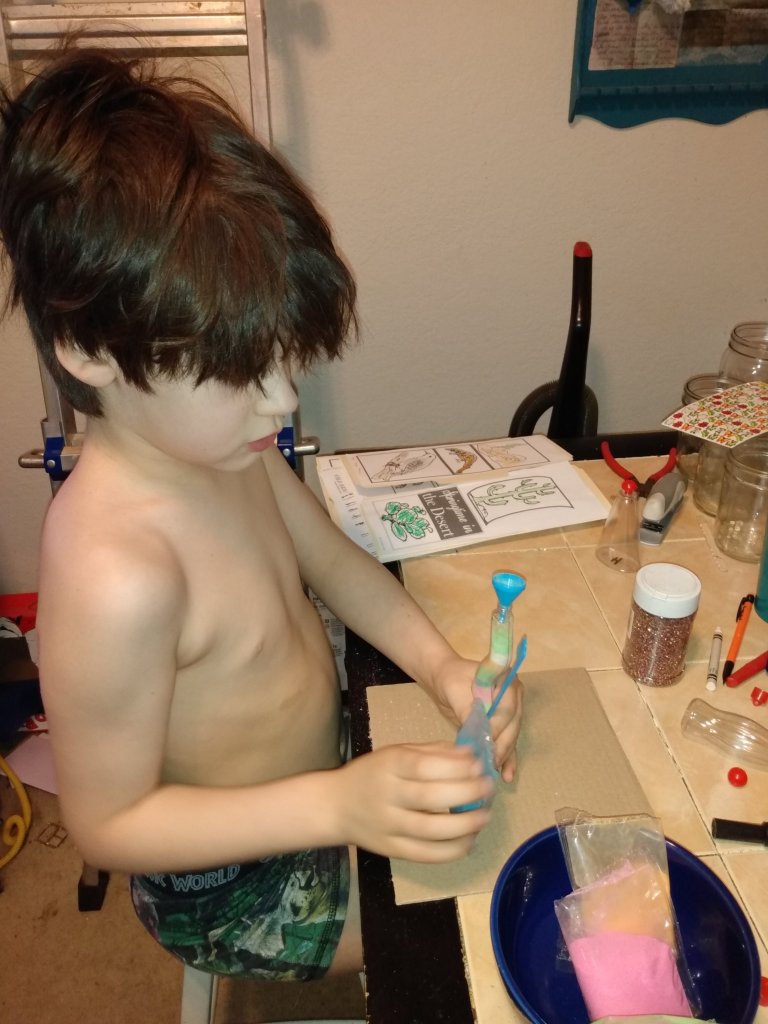
We also spent a fair amount of time discussing sand. What is sand made of? We learned that sand is mostly rockparticles but can also contain glass, bone, shell or coral fragments and more commonly in today’s age, plastic particles. (Of course this includes beach sand in addition to desert sand.)
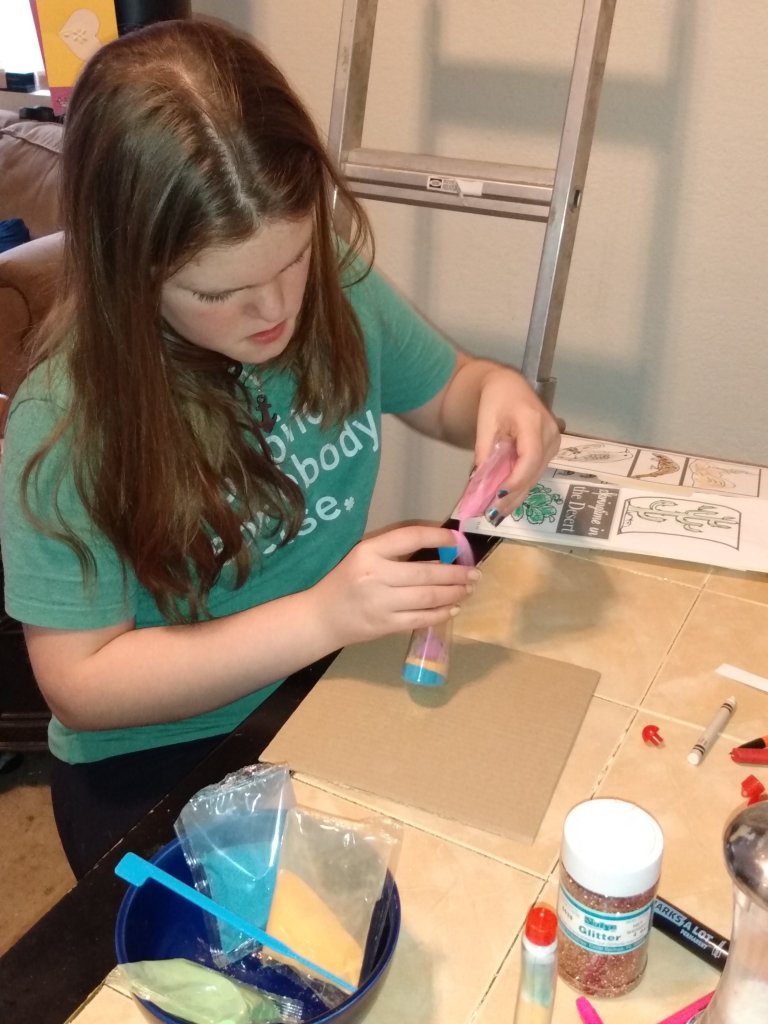
So after a series of sand composition, construction use (desert sand does not work well for construction purposes) and magnetic sand experiment videos we made some sand art!
Sand artSame uniform, different day
There were lots of writing practice sheets, some math and endless desert fact sheets! Lap books are a lot of fun.
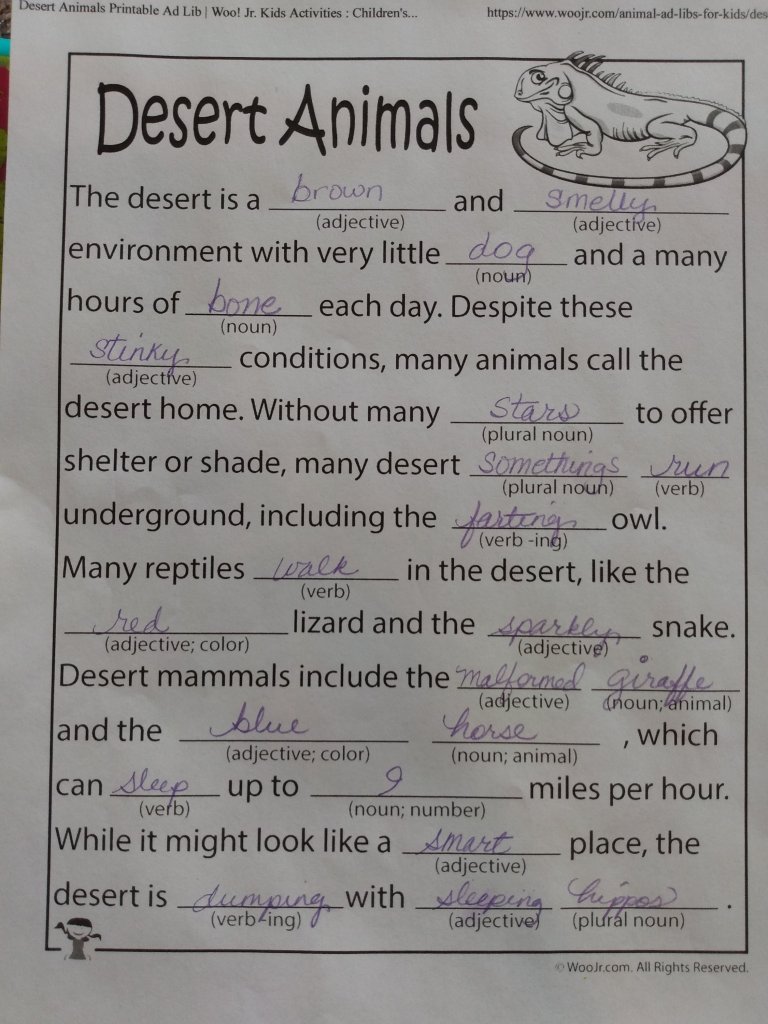
Desert Animals Ad Lib
Apparently it’s too much to ask of these northern grocery stores to stock cactus in the fresh produce dept. So we’re going to have to be satisfied with pickled nopalitos. Which the entire family approves of, to some degree.
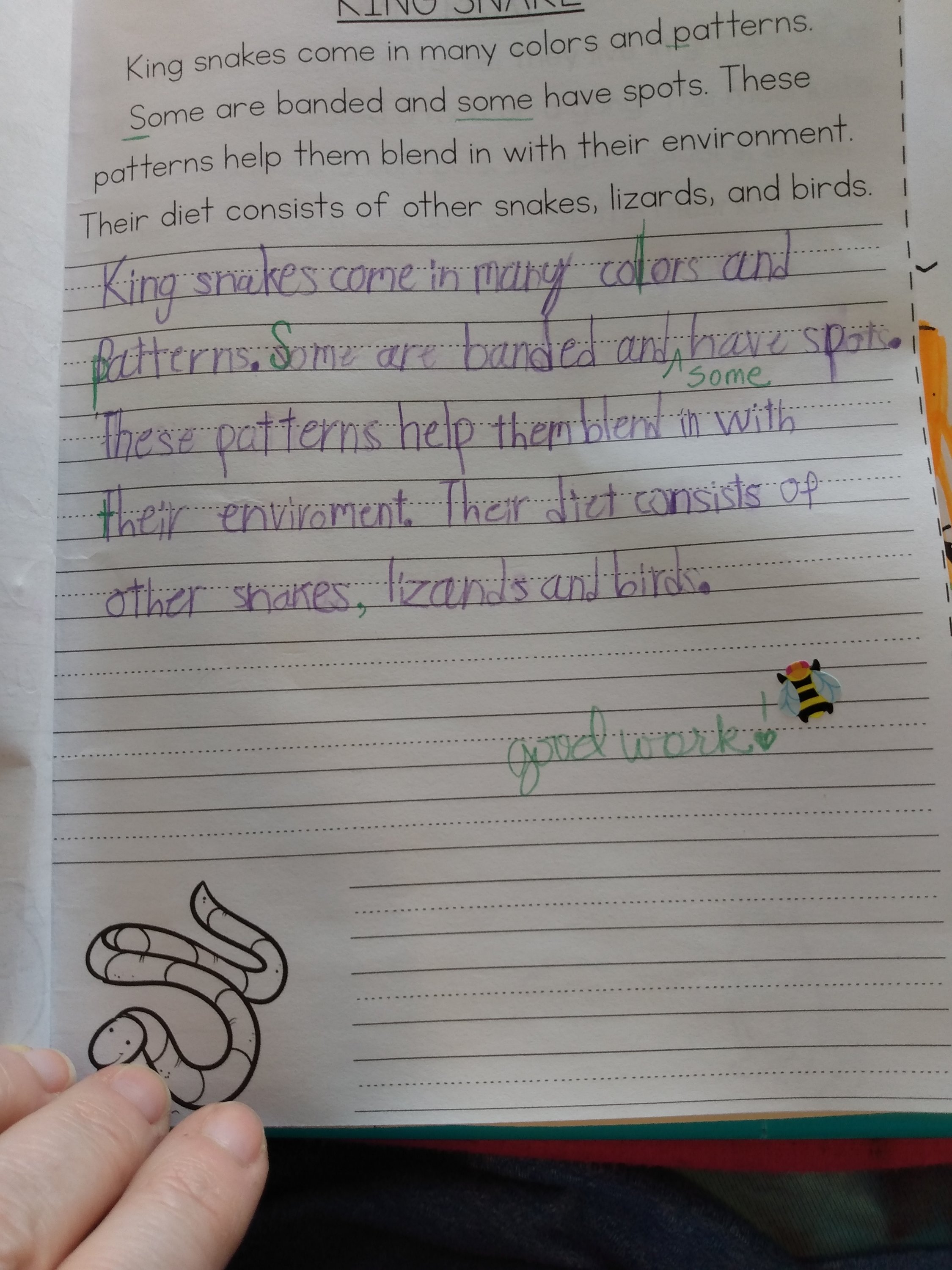
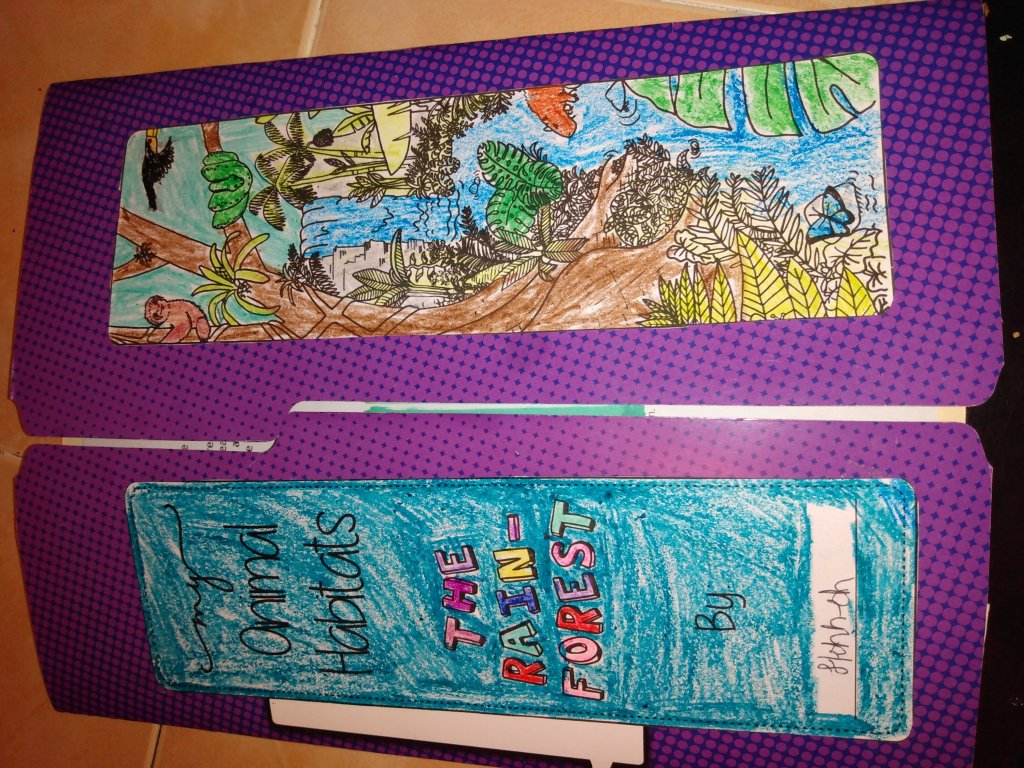
Cover ArtInsideWhen the marker runs out of ink…Penmanship practiceLil Bit’s Lap Book
And that’s it for another fascinating study of our amazing planet’s diversity. What’s up next? Good question.
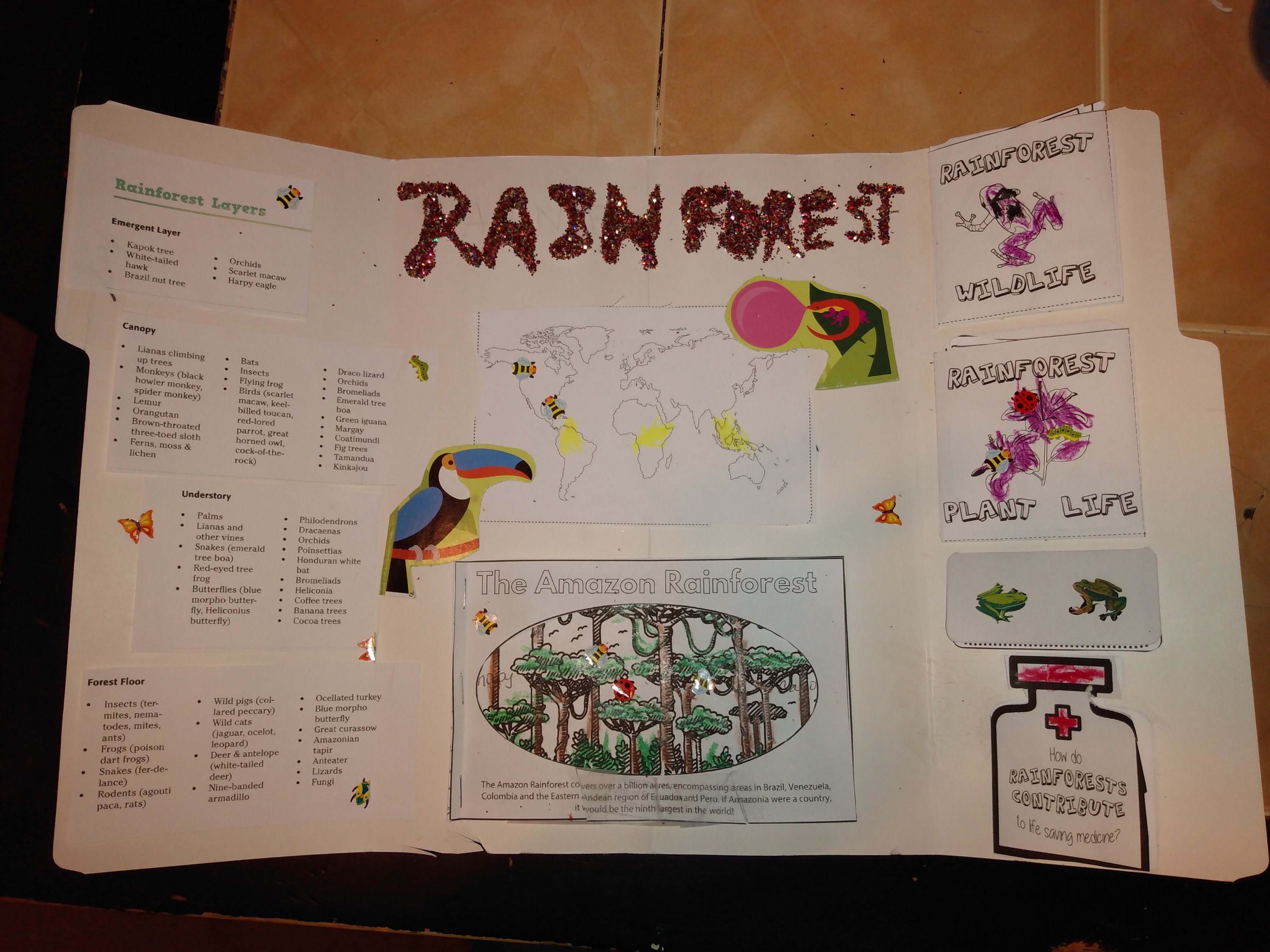
Lil Bit and Lil Mister have been working on a Rainforest Lap Book lately. We’ve watched lots of YouTube videos about rainforest facts: animals, vegetation, and conservation.
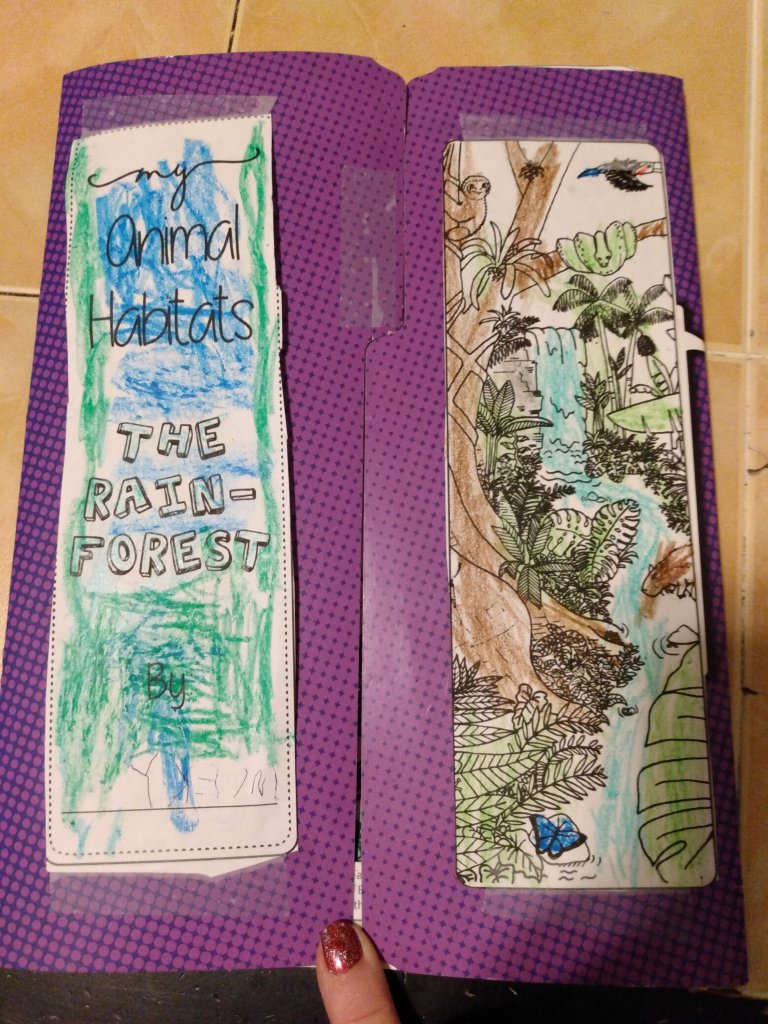
Lil Mister’s cover.Inside
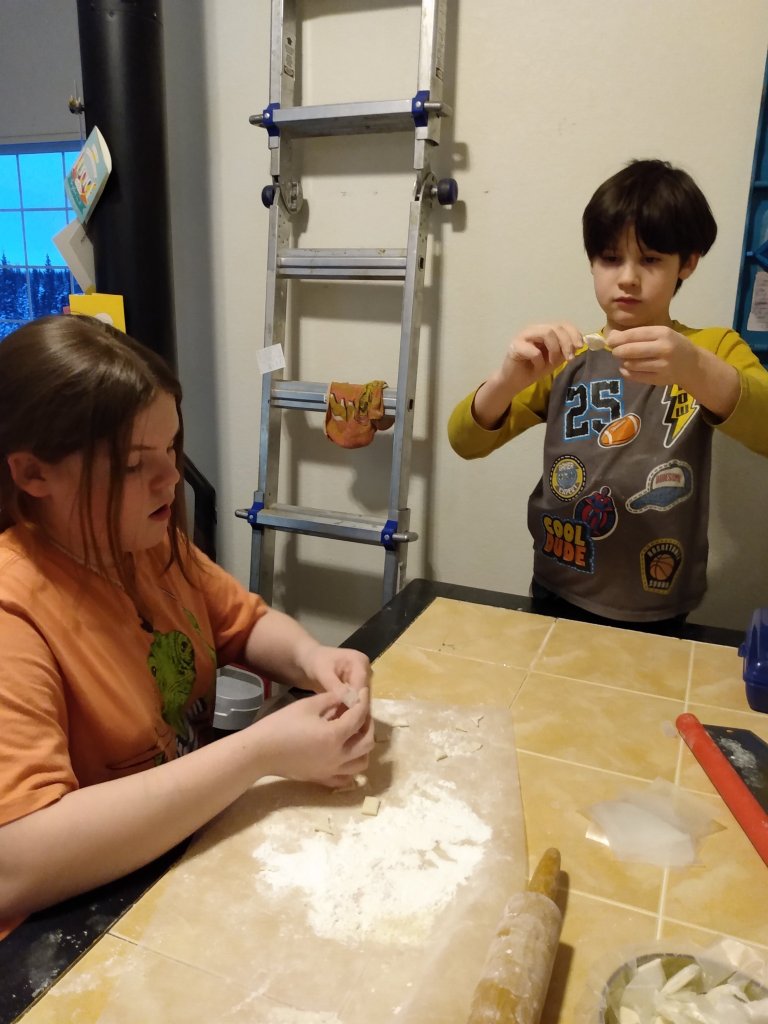
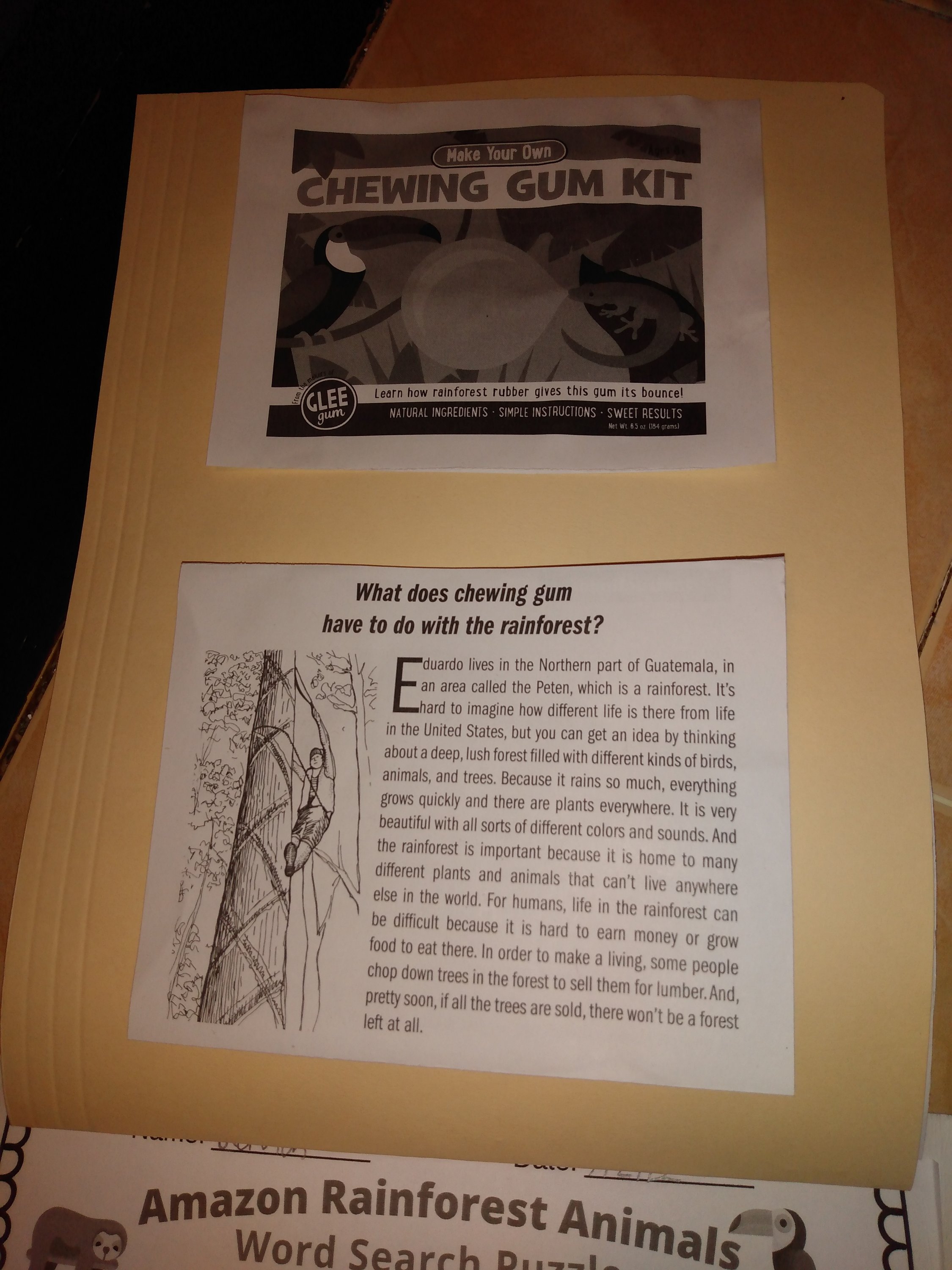
They’ve colored and pasted their bits and pieces together to create an informative little folder. And today we topped it off with making rainforest gum from scratch.
Wrapping gum pieces in waxed paper.
I like having them do lap books because they can take as little or as much time as they (or I) like creating and gathering information. It’s hands on so better for their learning style. Having something that they make to eat or drink is always fun. Experiential learning, tasting their lesson.
They also learned about medicine that comes from the rainforests of the world like quinine. So they got to sip some tonic water to taste it! Not exactly their next favorite beverage.
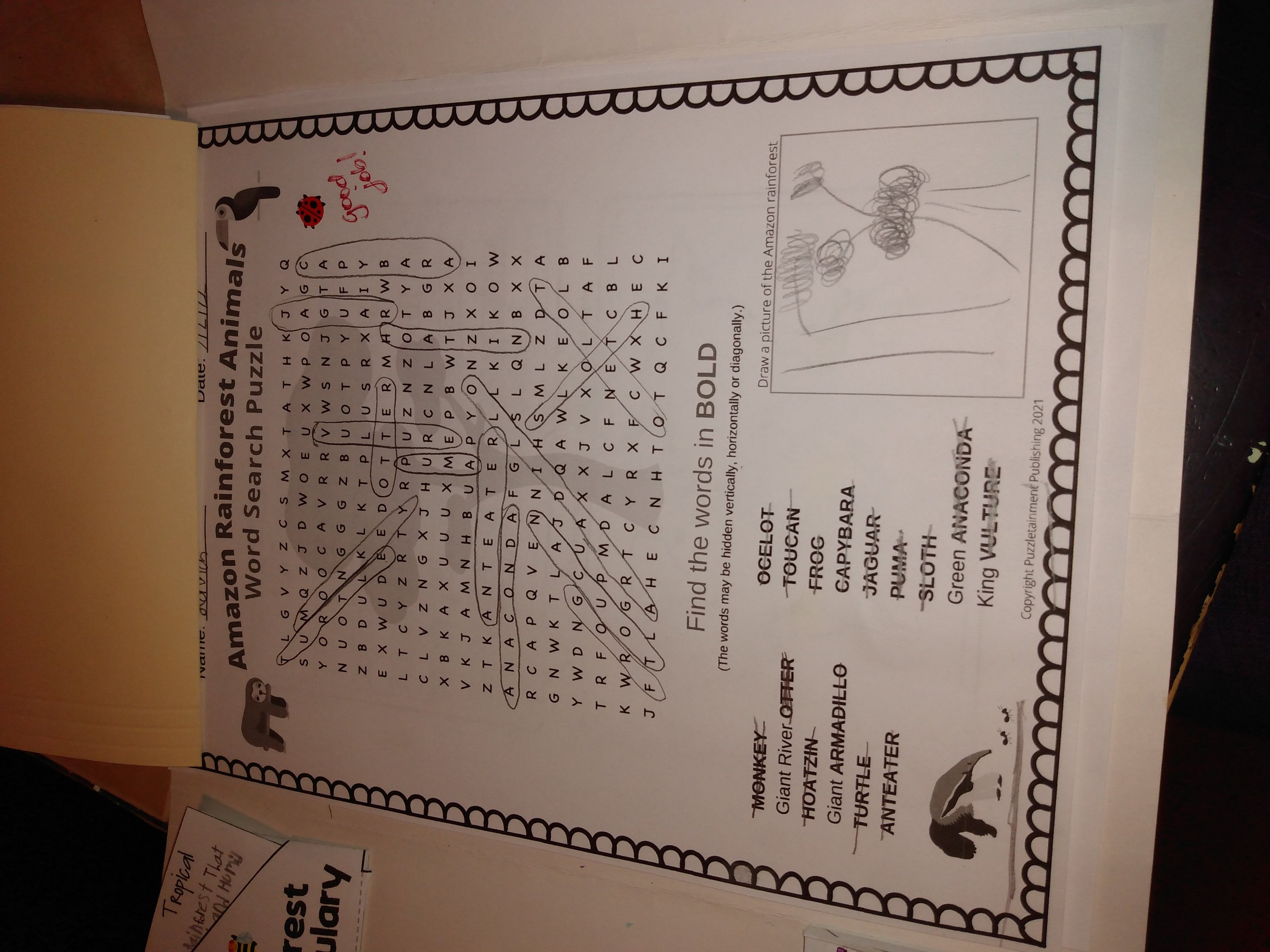
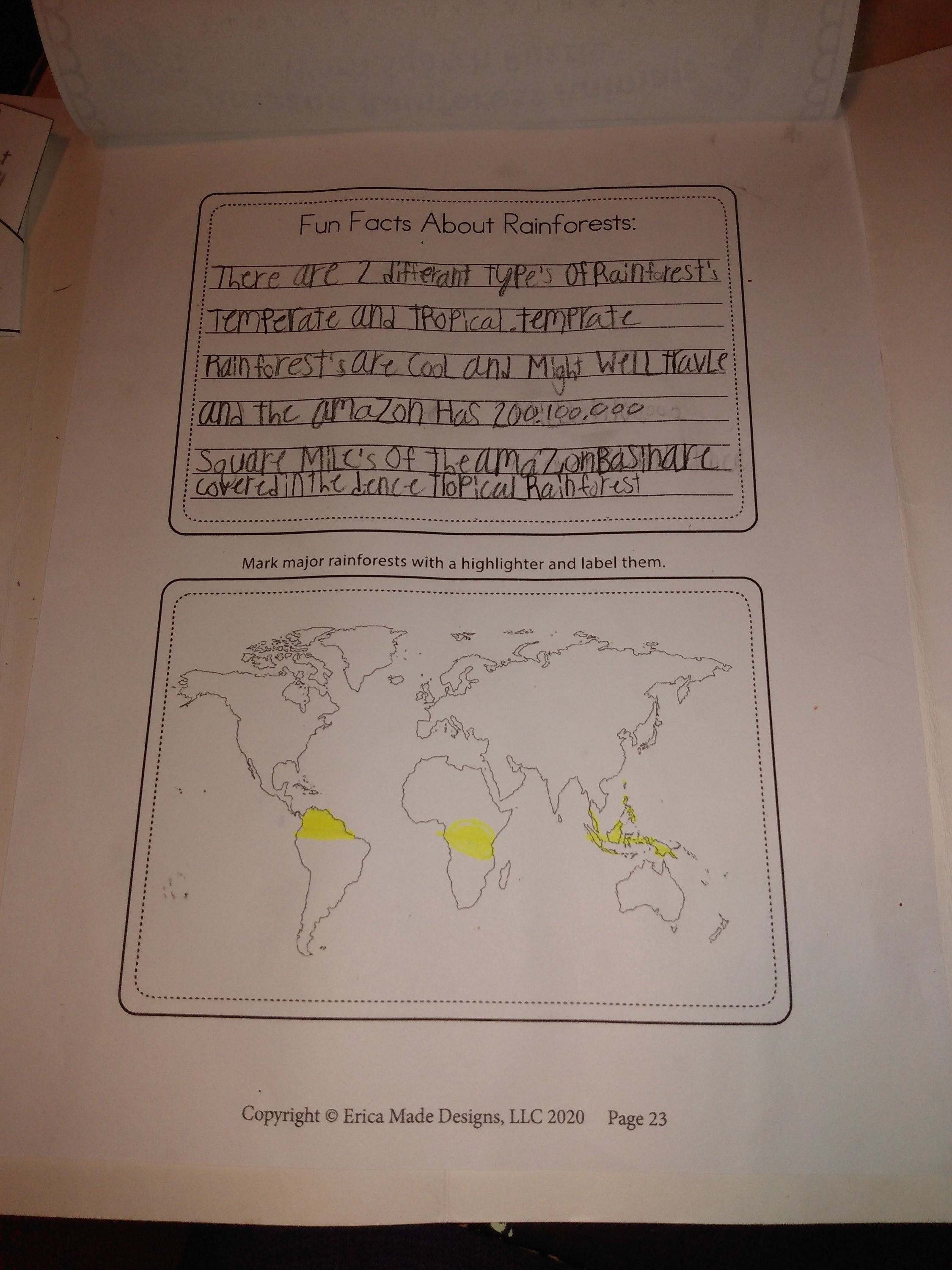
Lil Bit’s coverInsidePages under the flapLast page under the flapBackside of the flap, the info about the gum we made.Lil Bit’s lap book is more elaborate.
Next on the list is a desert lap book. Woo hoo, more fun times. And I think we’ll get some cactus to cook and eat.






 Alaska on my mind...